Washing Machine Not Spinning? Quick Fixes to Try First
Updated for 2026 to reflect current UK emergency call-out pricing and insurance changes.
1. Introduction
A washing machine that agitates and drains but refuses to spin leaves you with a heavy, soaking wet pile of laundry. This is a very common issue, often caused by an unbalanced load, a faulty lid switch, or poor drainage. Most basic troubleshooting checks take just 5 to 15 minutes.
What you’ll need: A screwdriver to check the filter, and a few minutes of patience. If the main motor or the drum bearings have failed, you will need to call a professional.
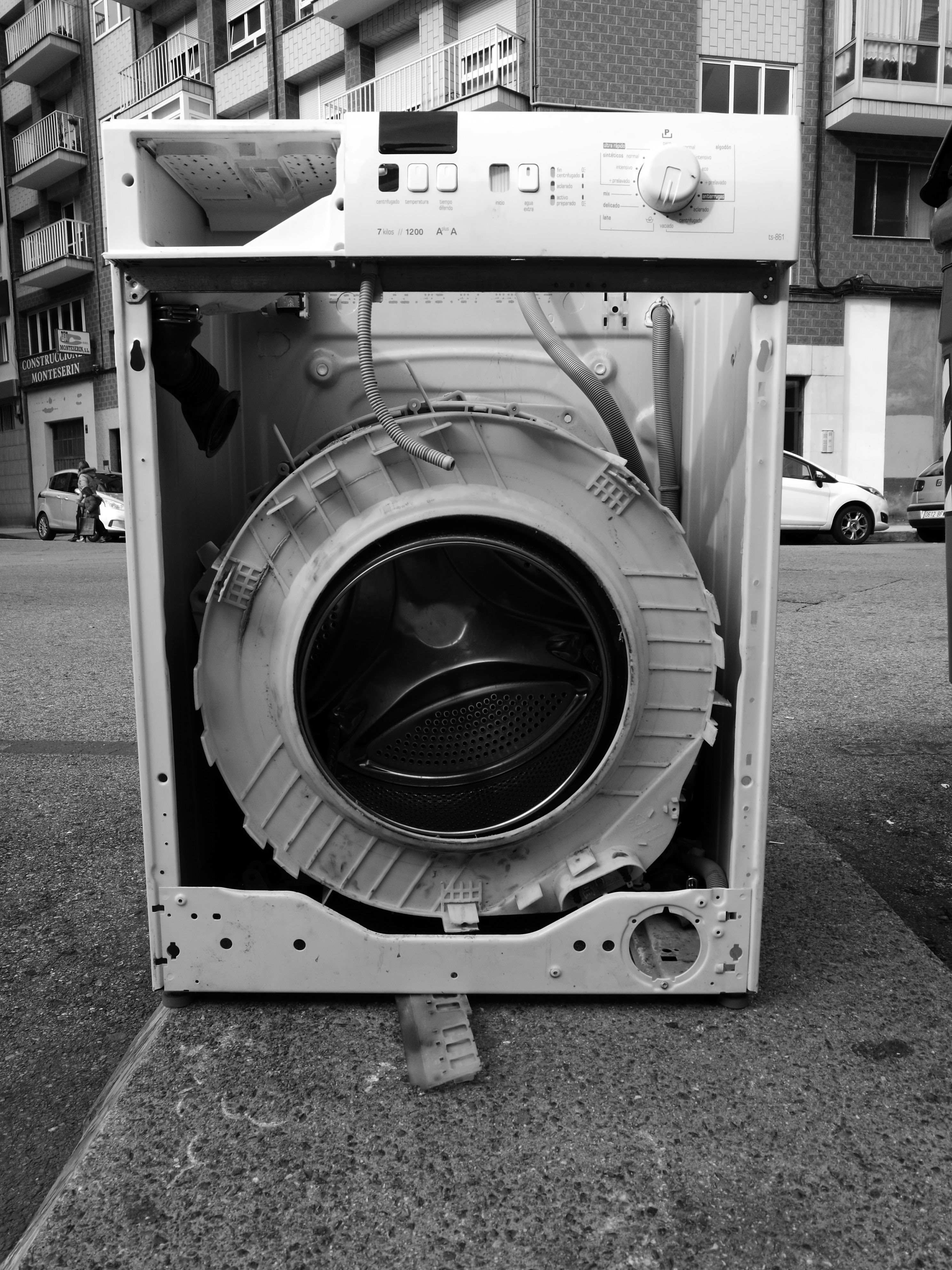
Soaking wet clothes at the end of a cycle indicates the spin cycle failed.
2. Quick Diagnosis
Before pulling the machine apart, run through these quick diagnostic checks:
- Are the clothes dripping wet after the final cycle completes?
- Does the machine make any loud banging, grinding, or whining noises?
- Does the door/lid click firmly shut and lock?
- Is the machine overloaded with heavy items like towels or blankets?
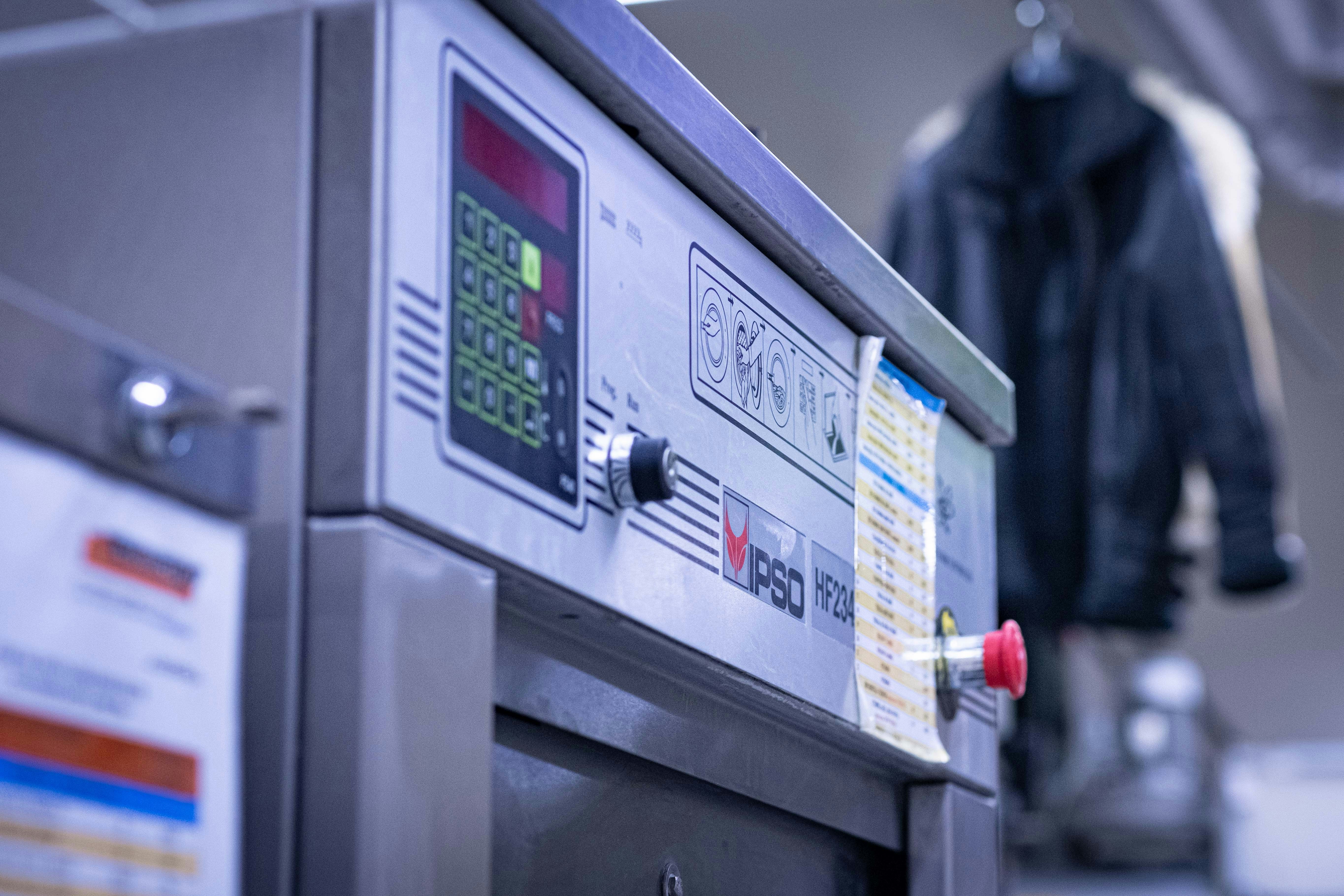
- Are there any flashing lights or digital error codes on the front display panel?
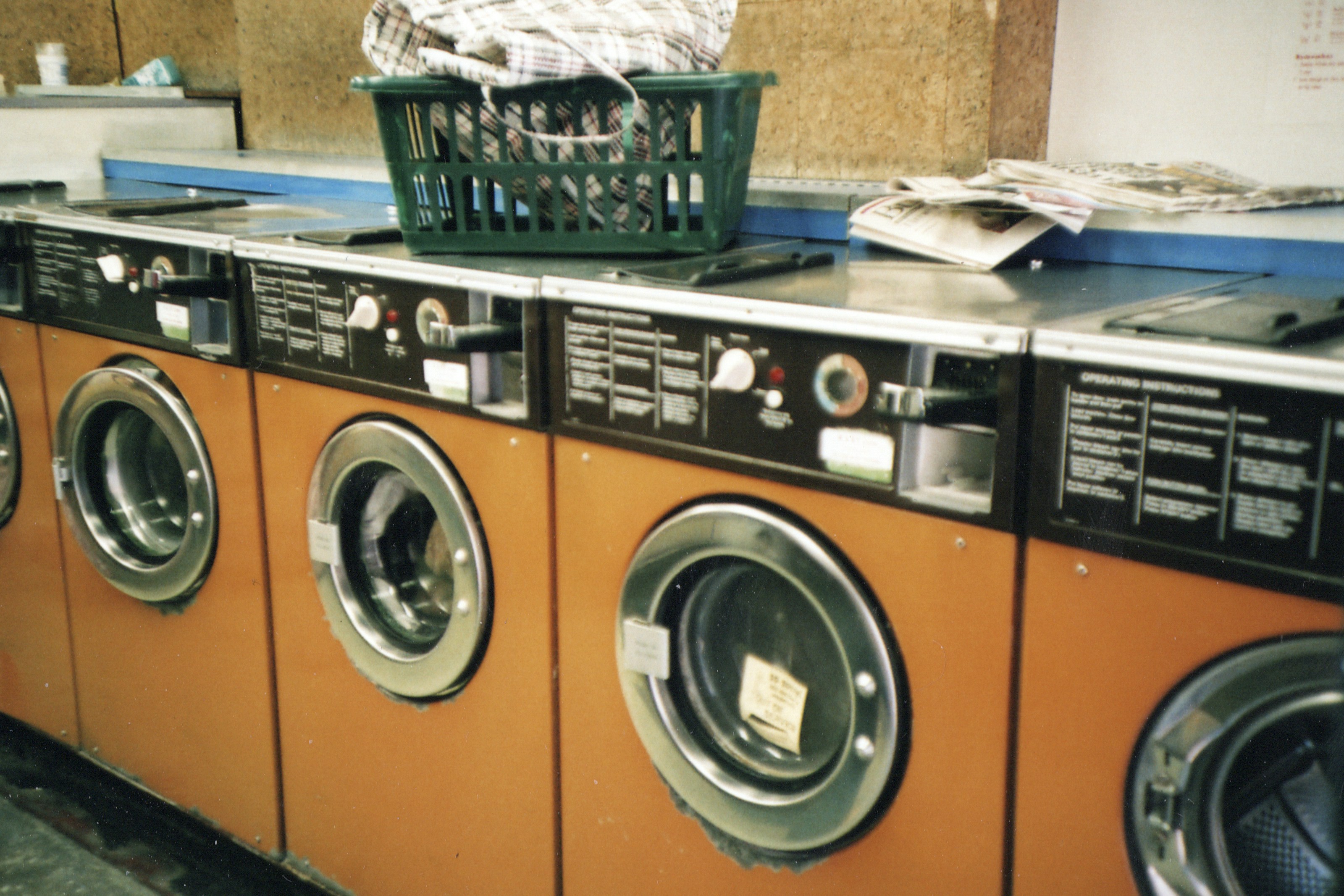
Always check the control panel for specific error codes before proceeding.
3. Step-by-Step Fix
- Check load balance: Modern machines have sensors that detect unbalanced loads. If all the heavy towels are on one side, it aborts the spin cycle for safety. Open the door, distribute the clothes evenly around the drum, and run a “Spin Only” cycle.
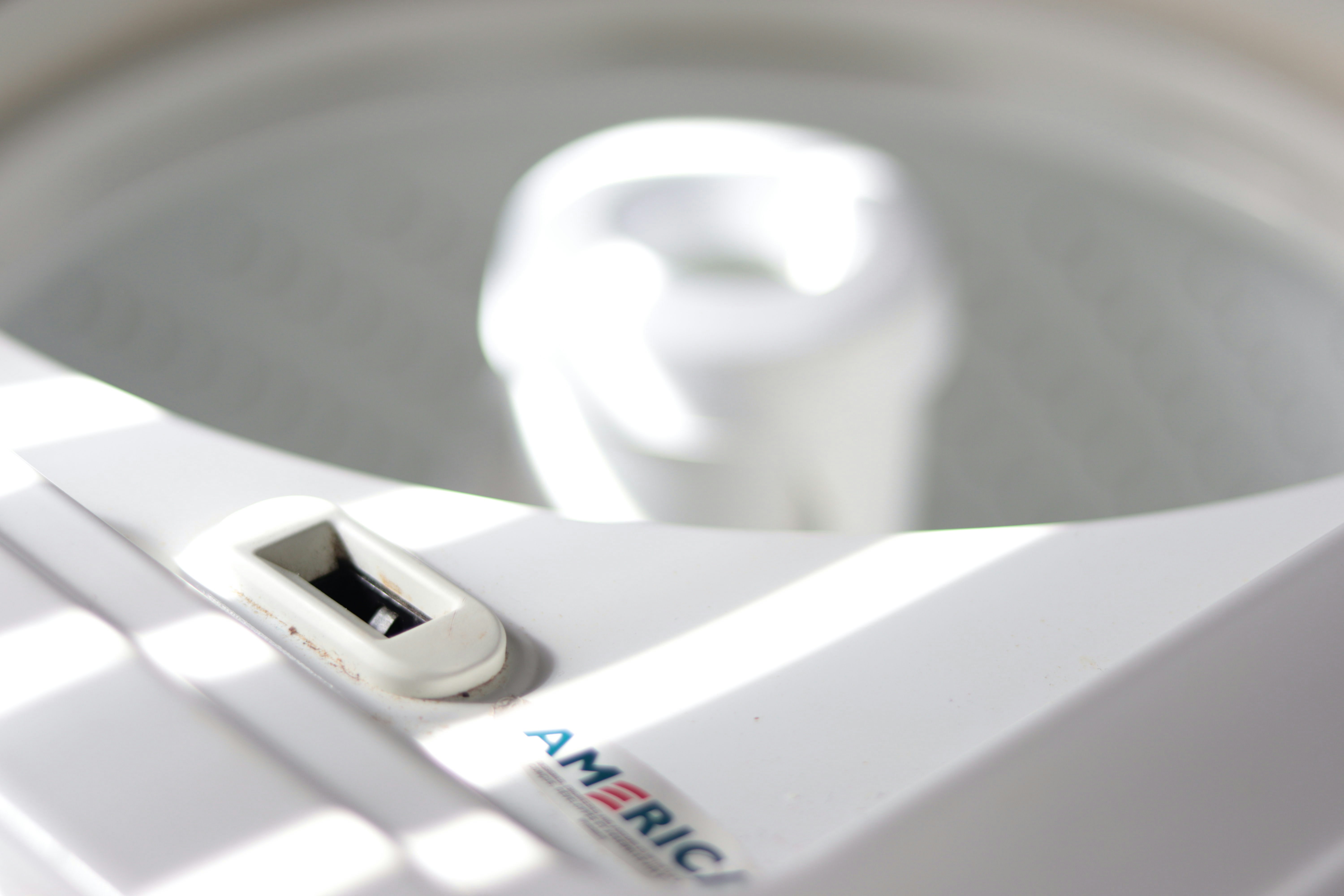
- Check the door/lid switch: For top-loaders, look for the lid switch on the edge. For front-loaders, check the latch. The machine will not spin if it thinks the door is open. Ensure it clicks shut securely.
- Check for overloading: If the drum is packed tightly, the motor cannot reach the high speeds required for spinning. Remove a third of the clothes and try again. The drum should only be about 3/4 full.
- Check the drain hose and filter: A washing machine cannot spin if it hasn’t drained the water first. Check the drain hose at the back for kinks. Open the front bottom panel and carefully unscrew the drain filter (have a towel ready) to clear out hair, coins, and gunk.
- Run a drain and spin cycle: After clearing the filter and balancing the load, select a simple “Drain & Spin” cycle without adding detergent or extra water to see if the drum engages.
- Check for error codes: If a specific code is flashing on the display, consult your user manual. Codes often pinpoint exactly whether the fault is drainage, the motor lock, or the pressure switch.
- Reset the washing machine: Turn the machine off at the wall, unplug it for 5 minutes, plug it back in, and test a spin cycle. This resets the internal computer board.
4. Troubleshooting
- Won’t spin after all steps: This points to a broken drive belt, worn motor carbon brushes, or a failed motor control board. These require professional replacement.
- Loud grinding or roaring sound: The main drum bearings have failed. Stop using the machine immediately to prevent destroying the drum shaft.
- Water won’t drain: The drain pump is blocked or dead. The machine’s safety switch will permanently lock out the spin cycle until the water is gone.
- Lid won’t lock: The physical door latch or the electronic lid switch has broken and must be replaced.
5. Prevention Tips
- Never overload the machine; follow the weight guidelines in your manual.
- Always mix large heavy items (like towels) with smaller items to naturally balance the load.
- Empty all pockets before washing to prevent coins and screws from jamming the drain pump.
- Clean the front coin catcher/drain filter every month.
- Ensure the machine is perfectly level on the floor using the adjustable feet.
6. When to Call a Professional
If the machine drains fine, is perfectly balanced, but still refuses to spin, the internal mechanics have failed. Replacing a drive belt, motor brushes, or drum bearings requires dismantling the machine. Professional repairs typically cost between £120 and £300+, depending on the brand and the part required. A professional technician can safely handle the heavy internal components and high-voltage wiring. Check our repair cost guide for detailed estimates.
7. FAQ
Q1: Why won’t my washing machine spin?
The most common reasons are an unbalanced load, an overloaded drum, a clogged drain filter, or a broken door lock switch.
Q2: Is it safe to open a washing machine during a cycle?
Most modern front-loaders have a safety lock that prevents opening until the water drains. For top-loaders, opening the lid should automatically halt the spin cycle.
Q3: How do I balance the load?
Pause the machine, open the door, and manually untangle the clothes. Spread heavy items like jeans evenly around the perimeter of the drum.
Q4: What if the machine won’t drain either?
A machine will not spin if it is full of water. You must check the drain hose for kinks and clean out the drain filter at the bottom front of the machine.
Q5: How much does washing machine repair cost?
Professional repairs range from £120 for simple belt replacements up to £300+ for major drum bearing or motor work.
Q6: Should I replace or repair my washing machine?
If the drum bearings have failed (sounding like a jet engine) and the machine is over 7 years old, it is usually more economical to buy a new machine.
Q7: Can I prevent spinning problems?
Yes. Washing appropriate load sizes, leveling the machine legs, and cleaning the filter regularly will extend the life of the motor and bearings.
Q8: What does the error code mean?
Error codes are specific to the manufacturer. A quick internet search of your brand and the code (e.g., “Bosch E18”) will tell you exactly what system is failing.