Dishwasher Not Draining? Quick Fixes You Can Try Today
Updated for 2026 to reflect current UK emergency call-out pricing and insurance changes.
1. Introduction
Opening your dishwasher to find a pool of dirty, standing water at the bottom is a very common issue. Fortunately, drainage problems are frequently caused by simple blockages like food debris or a clogged filter, rather than a broken pump. Most of these fixes take just 10 to 20 minutes to complete.
What you’ll need: A screwdriver, a flashlight, some old towels, and possibly a mild dishwasher cleaner or vinegar. If the drain pump or motor has failed, it will be time to call a professional.
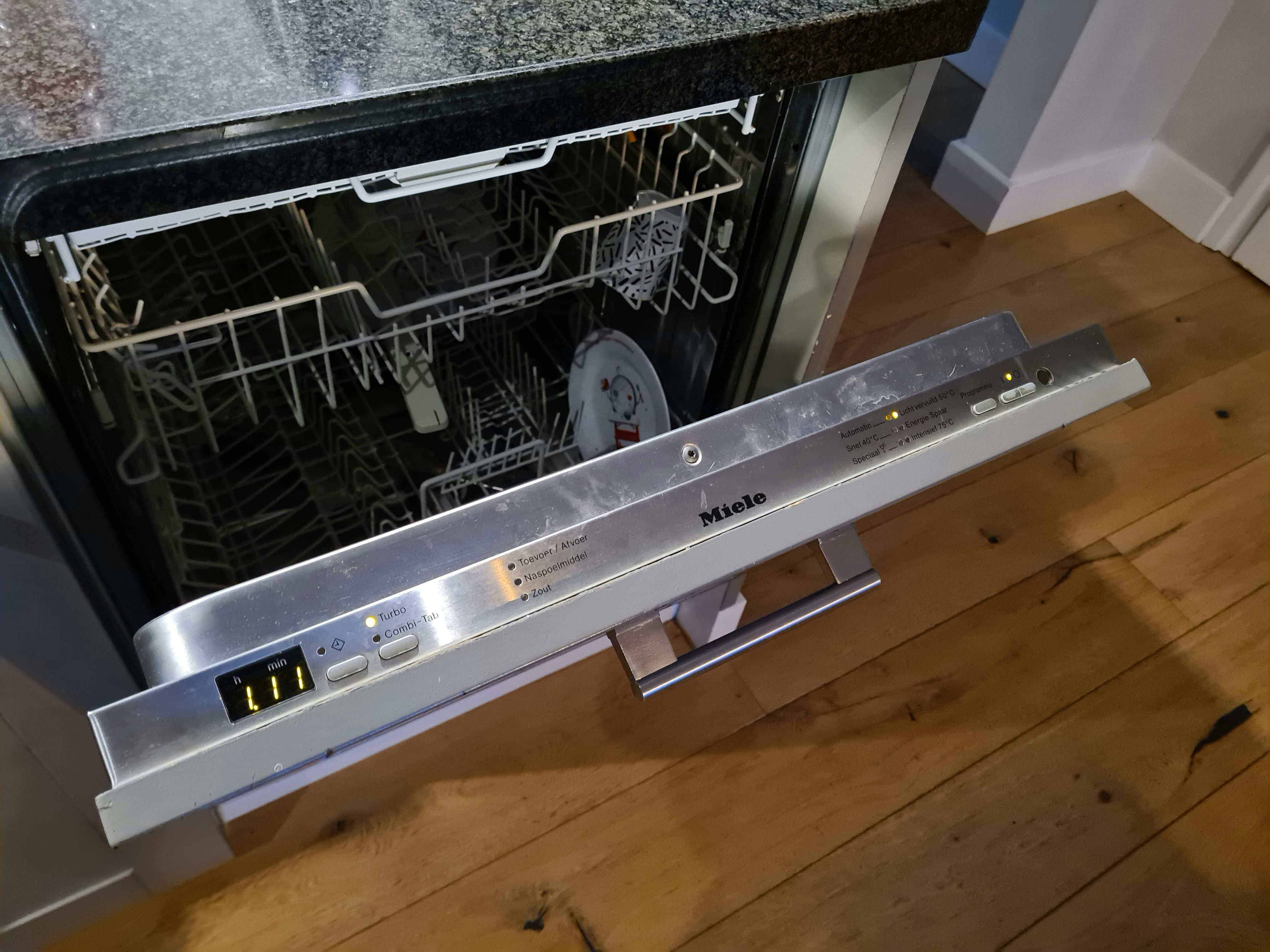
Standing water in a dishwasher is usually caused by a simple blockage.
2. Quick Diagnosis
Let’s diagnose where the blockage might be located:
- Check the bottom of the tub for standing water after the cycle finishes.
- Listen for unusual sounds during the drain cycle (grinding or humming without draining).
- Check under the sink to see if the drain hose is kinked or blocked.
- Look for visible food particles or debris near the internal drain grate.
- Verify if the dishwasher runs its full cycle but fails only at the draining stage.
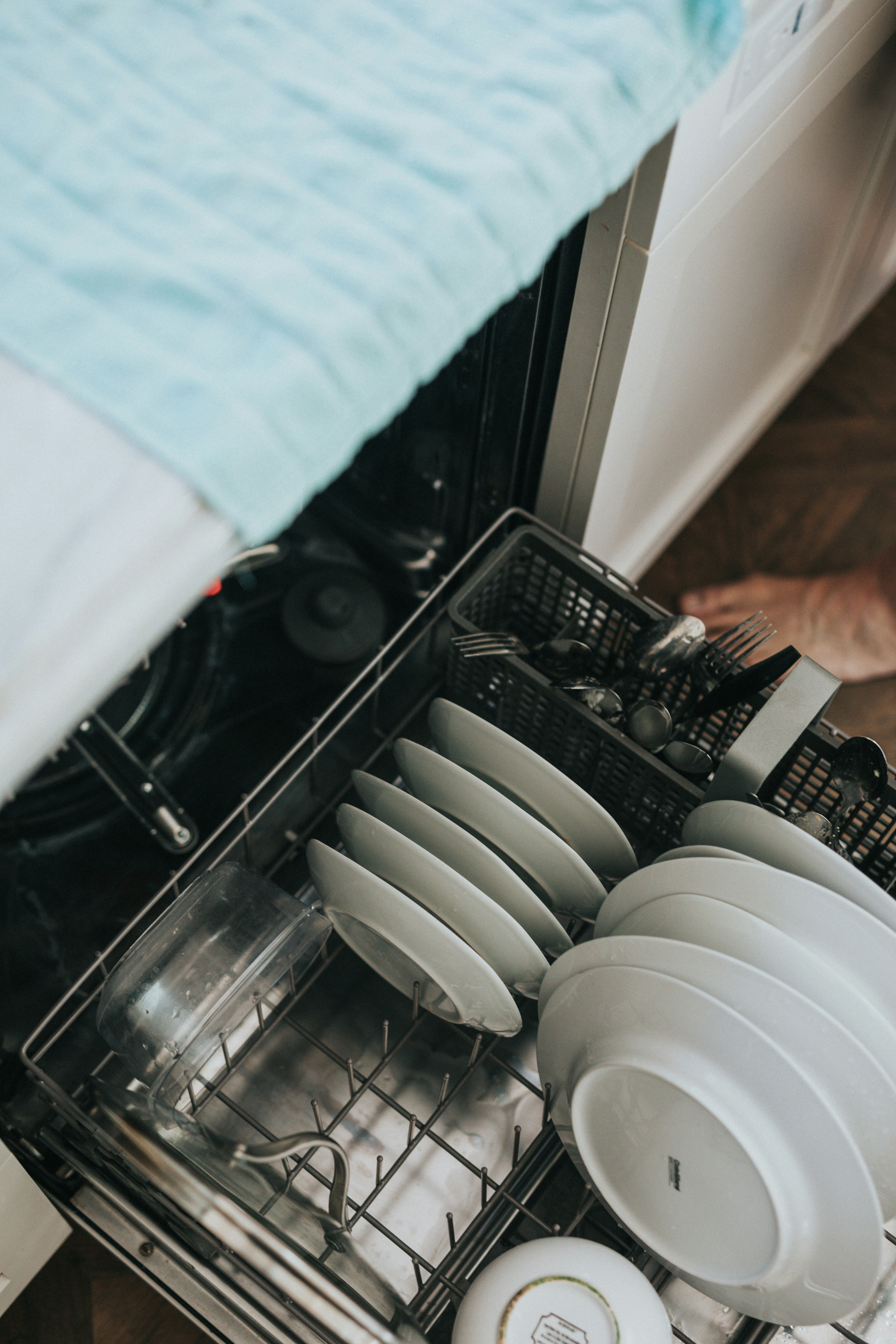
Check the drain filter area first for obvious blockages.
3. Step-by-Step Fix
- Check the drain filter: Remove the bottom rack. Locate the cylindrical filter, twist it counterclockwise, and lift it out. Rinse it thoroughly under warm water to remove grease and food particles.
- Clean the drain basket: With the filter removed, use a flashlight to look into the drain sump. Carefully remove any bones, glass, or hard food debris using tweezers or a gloved hand.
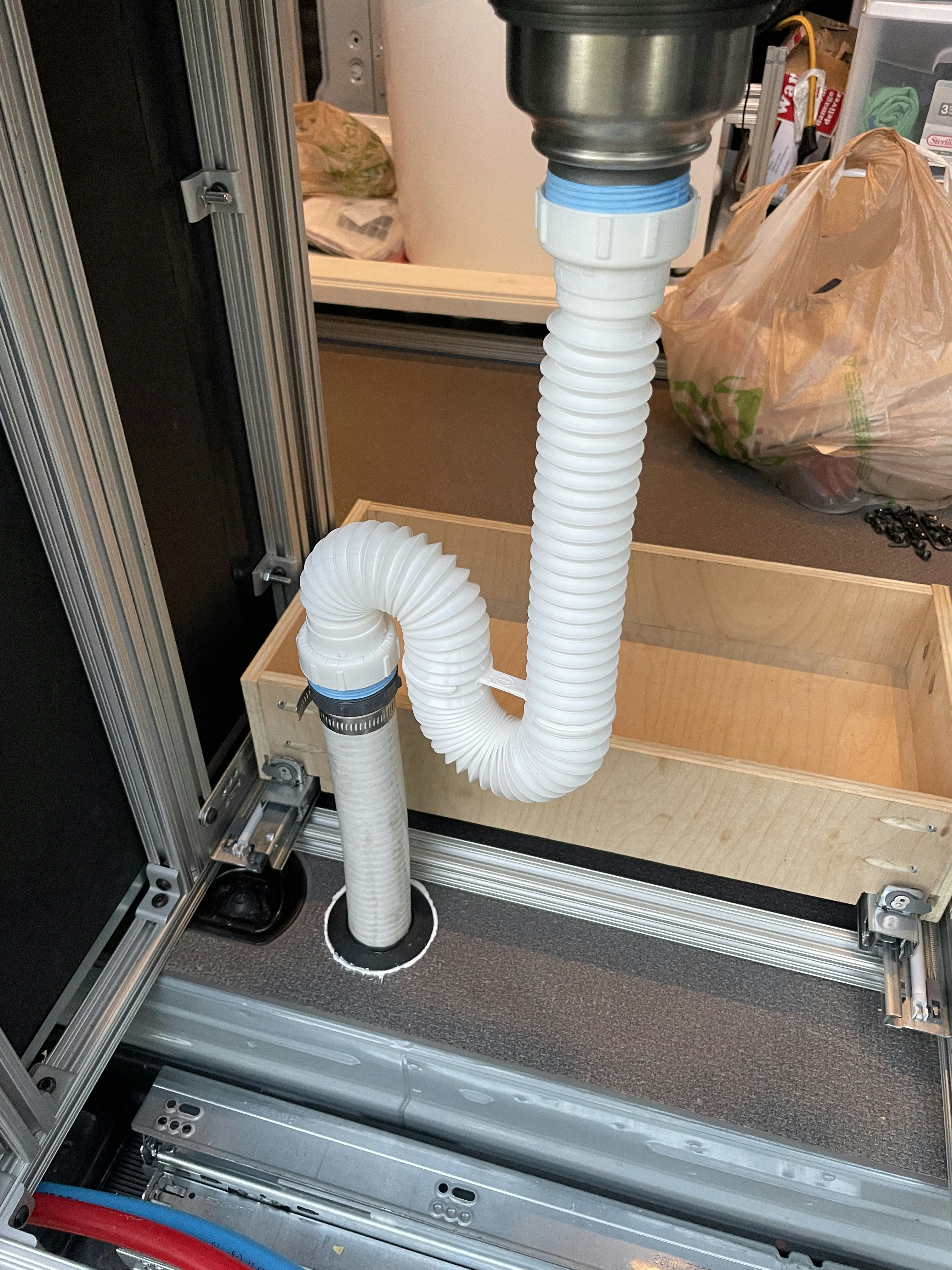
- Check the drain hose: Look under your kitchen sink where the corrugated drain hose connects to the plumbing. Ensure it is not kinked, crushed, or bent at a sharp angle.
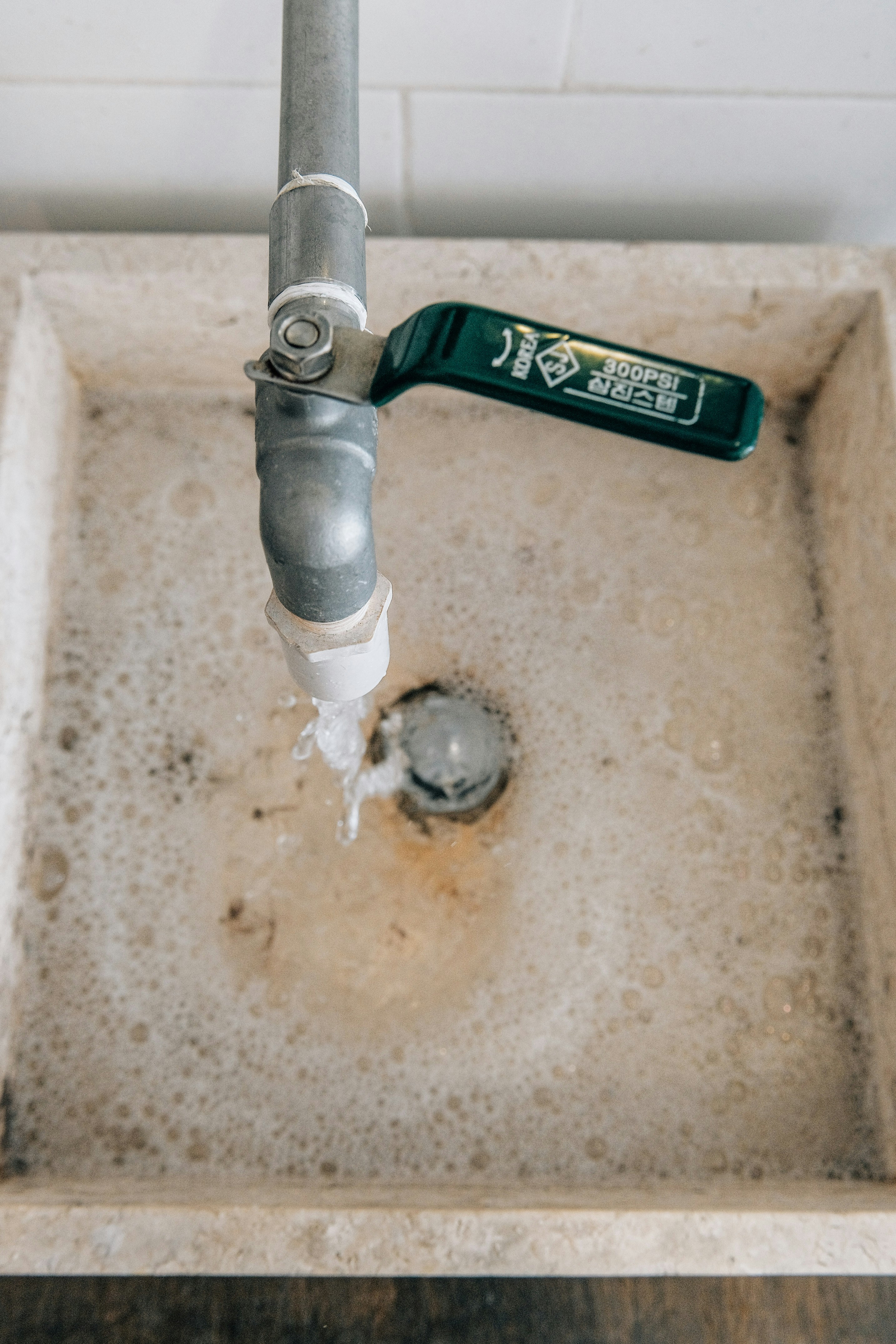
- Clean the sink drain connection: Sometimes the blockage is where the hose meets the sink plumbing. Disconnect the hose (have a bucket ready) and clear out any gunk with a screwdriver or bottle brush.
- Run a hot water cycle: Reassemble everything. Pour a mixture of baking soda and vinegar into the bottom of the tub, wait 15 minutes, then run a short, hot water cycle while empty to flush the system.
- Check the sink drain: If your main kitchen sink is draining slowly, the dishwasher cannot push water into it. Ensure your sink drain isn’t clogged.
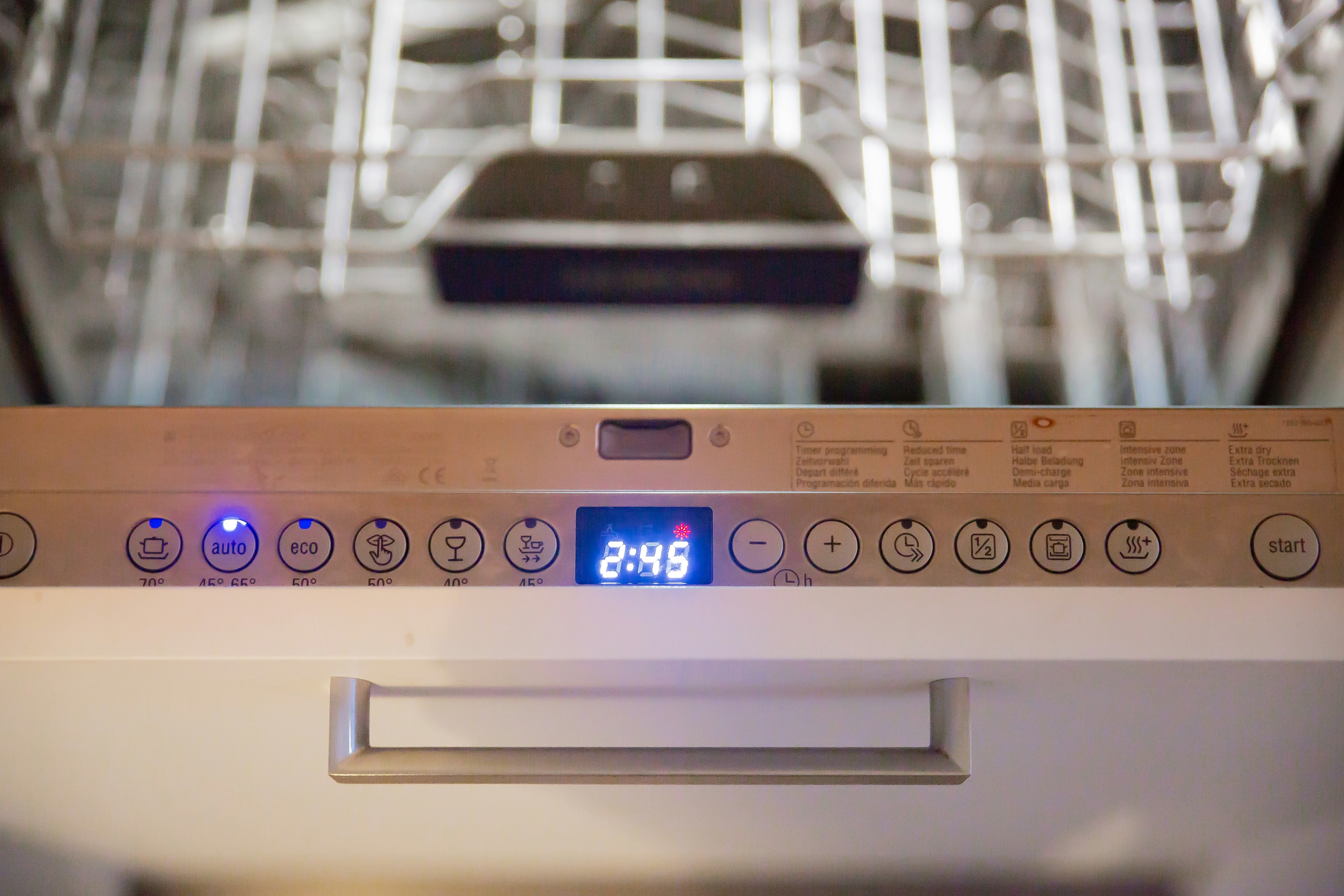
- Reset the dishwasher: Sometimes a simple electronic glitch stops the drain cycle. Turn off the power at the wall switch for 5 minutes, turn it back on, and start a new drain cycle.
4. Troubleshooting
- Water still standing: Check the drain hose again for a deep blockage. You may need to disconnect it entirely and flush it out outside.
- Grinding sound during draining: A hard foreign object (like a piece of bone or glass) has made its way into the drain pump impeller. Stop using the machine to prevent motor damage.
- Water drains very slowly: The drain hose is partially clogged with grease. A commercial dishwasher cleaner or hot water flush may help.
- Machine won’t turn on at all: Check the main power outlet and the circuit breaker on your consumer unit.
5. Prevention Tips
- Always scrape large food particles off plates before loading.
- Do not overload the dishwasher, which can prevent proper water circulation.
- Clean the internal filter at least once a month.
- Use a dedicated dishwasher cleaner every few months to dissolve grease buildup.
- Check the external drain hose quarterly to ensure it remains unkinked.
6. When to Call a Professional
If you have cleaned the filter, cleared the hose, and water still refuses to drain, the internal drain pump, motor, or drain valve has likely failed. Replacing these internal components requires disassembling the machine. Professional dishwasher repair typically costs between £100 and £250+. A professional can safely diagnose electrical issues and provide a warranty on the new parts. Check our repair cost guide for average prices.
7. FAQ
Q1: Why is my dishwasher not draining?
The most common culprits are a clogged filter, a blocked or kinked drain hose, or debris caught in the sink connection.
Q2: Is it safe to run a dishwasher with standing water?
No. Continuing to run a blocked machine can cause the dirty water to overflow onto your floor or burn out the drain pump motor.
Q3: How often should I clean the filter?
If you use your dishwasher daily, you should remove and rinse the filter under warm water at least once a month.
Q4: Can I use drain cleaner in my dishwasher?
No! Caustic chemical drain cleaners can melt the rubber seals and plastic hoses inside the appliance. Only use dishwasher-specific cleaners.
Q5: What if the drain hose is completely clogged?
Disconnect the hose from the sink plumbing and the back of the machine. Take it outside and use a garden hose to flush out the blockage.
Q6: How much does dishwasher repair cost?
Depending on the fault, professional repairs range from £100 to £250+. A simple unblocking is cheaper, while a new pump is more expensive.
Q7: Should I replace or repair my dishwasher?
A good rule of thumb is the 50% rule: if the repair quote is more than half the cost of a brand new machine, it is usually better to replace it.
Q8: Can I prevent drainage problems from happening?
Yes. Consistently scraping plates, regularly cleaning the filter, and running a hot maintenance cycle monthly will keep the system clear.