Stuck Garbage Disposal? Quick Fixes to Get It Running Again
Updated for 2026 to reflect current UK emergency call-out pricing and insurance changes.
1. Introduction
A stuck garbage disposal (waste disposal unit) can quickly turn your kitchen sink into a foul-smelling swamp. These units frequently jam when hard foreign objects, fibrous vegetables, or an overload of food scraps bind the internal grinding impellers. Fortunately, fixing a jammed disposal is usually a simple 10 to 20-minute DIY task that doesn’t require dismantling the plumbing.
What you’ll need: A flashlight, long tongs or needle-nose pliers, and a 1/4-inch hex wrench (Allen wrench). Never put your bare hands into the disposal. If the motor is completely burned out from overheating, you will need to call a professional to replace the unit. Otherwise, you can easily fix this yourself before tackling your Clogged Sink Drain.
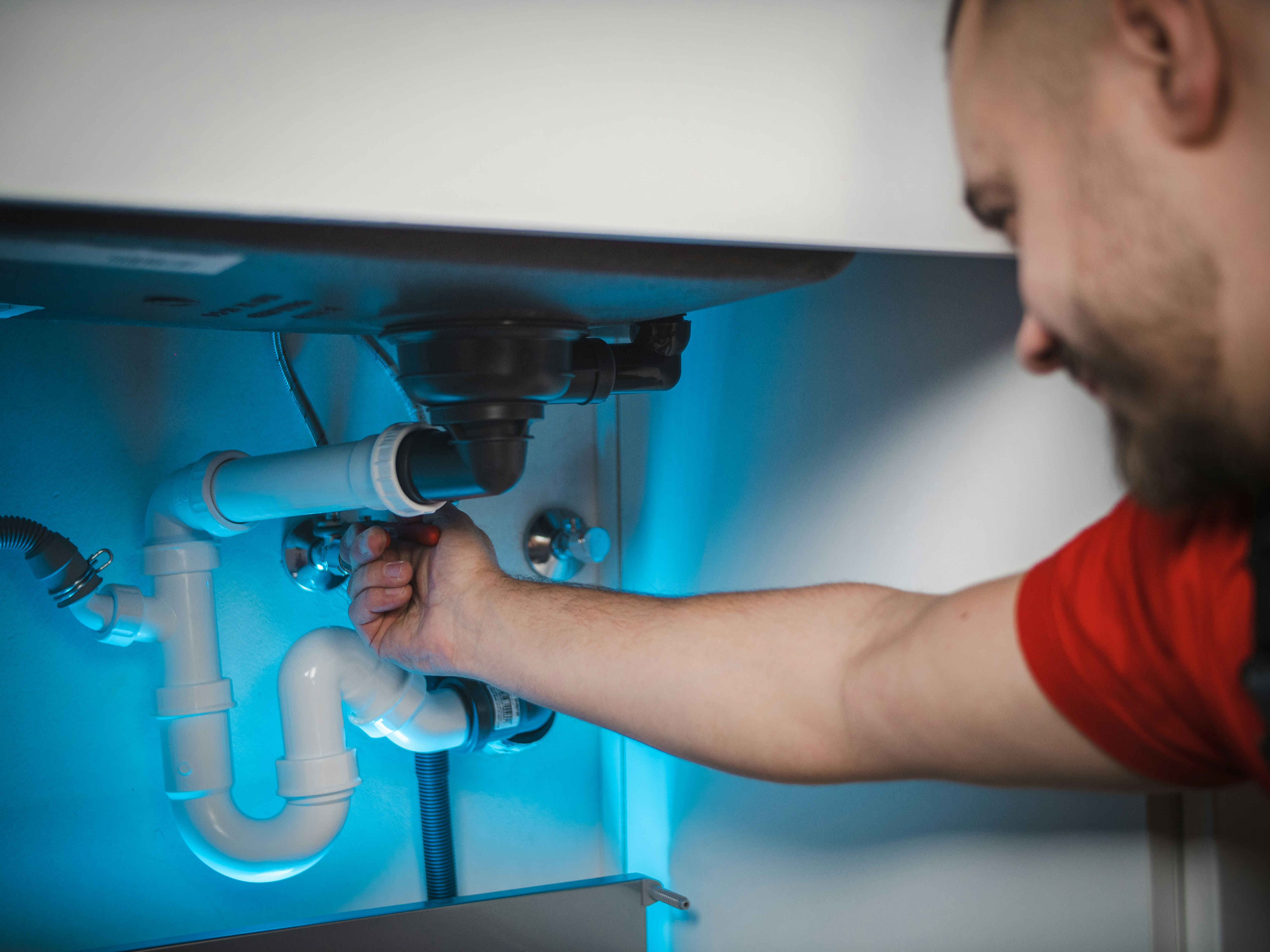
A humming sound means the motor has power but the impellers are physically jammed.
2. Quick Diagnosis
Before reaching for your tools, diagnose how the disposal is behaving to determine the right fix:
- Makes a humming noise: If you flip the switch and hear a low hum but the blades won’t spin, the unit is receiving power but the impellers are physically locked by an obstruction.
- No noise at all: If you flip the switch and nothing happens, the internal breaker has tripped to prevent an electrical fire, or the unit is unplugged.
- Look for visible objects: Shine a flashlight down the drain. Can you see a piece of silverware, a coin, or a bone wedged against the outer ring?
- Check water drainage: Is water standing in the sink? You may have a clog in the P-trap below the disposal rather than a jam in the blades.
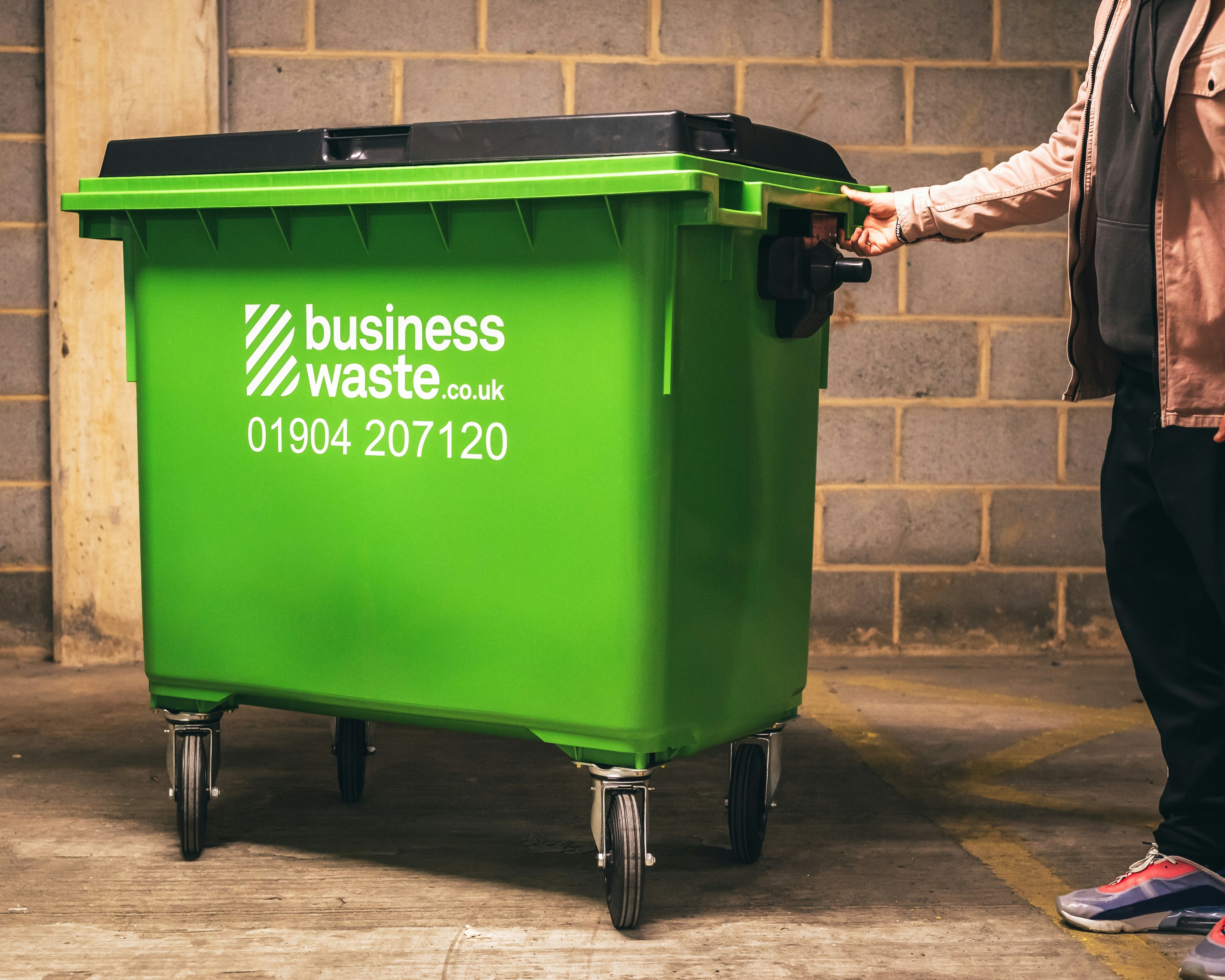
The impellers fling food against the shredding ring; hard objects easily wedge between them.
3. Step-by-Step Fix
- Turn off the power: Safety is paramount. Never rely on the wall switch alone. Go under the sink and physically unplug the garbage disposal from the wall outlet. If it is hardwired, go to your home’s main electrical panel and flip the breaker for the kitchen.
- Look for visible objects: With the power absolutely confirmed off, shine a flashlight down into the grinding chamber. Look carefully around the perimeter where the rotating plate meets the stationary ring.
- Use an Allen wrench to manually turn the motor: Clear out the cabinet under the sink. Look at the very bottom center of the disposal unit for a hexagonal hole. Insert a 1/4-inch Allen wrench into this hole and crank it back and forth forcefully. This manually rotates the motor shaft and usually dislodges whatever is binding the impellers from below.
- Try the plunger method: If the blades spin freely but water is still backing up into the sink, the blockage is in the drain pipe below the unit. Use a cup plunger over the sink drain to force the blockage down through the P-trap.
- Extract the jammed object: Once you have freed the impellers using the Allen wrench from below, look down the sink drain with your flashlight again. Use long tongs or needle-nose pliers to reach in and extract the penny, bone, or debris that you just broke loose. Do not use your fingers.
- Flush with water: Once the chamber is clear, restore power to the unit. Turn on the cold water tap full blast. Wait 10 seconds, then flip the disposal switch. Let it run for 30 seconds to flush any remaining ground debris down the pipe.
- Reset the disposal: If the unit overheated and died while humming, the internal breaker tripped. Look underneath the unit for a small red or black square button. Press it firmly until it clicks back in. Restore power, run cold water, and turn it on.


4. Troubleshooting
- The Allen wrench won’t turn: The object is wedged incredibly tight. Try using a wooden broom handle inserted from the top (through the sink drain) to lever against the impellers and force them to turn.
- Loud grinding or rattling sound: You have cleared the main jam, but a piece of glass, a small screw, or a popcorn kernel is still bouncing around the chamber. Use the flashlight and tongs again to thoroughly clear the perimeter.
- Unit won’t turn on even after resetting: Ensure the wall switch isn’t faulty, check your home’s main circuit breaker panel, and verify the outlet under the sink actually has power by plugging a lamp into it.
- Water backs up into the dishwasher: A severe clog has formed past the disposal in the main drain line. Standard drain cleaning using a plumber’s snake is required.
5. Prevention Tips
- No hard objects: Never put fruit pits, animal bones, clam shells, or seafood shells down the disposal.
- Avoid fibrous materials: Celery stalks, corn husks, onion skins, and artichoke layers wrap around the blades and cause severe jams.
- Always use cold water: Run cold water while grinding food and for 15 seconds afterward to solidify grease so it can be chopped up, rather than melting it onto pipe walls with hot water.
- Cut food into smaller pieces: Don’t shove entire chunks of food down at once. Feed it gradually.
- Clean regularly: Grind half a lemon or some ice cubes mixed with rock salt once a month to clean the impellers and eliminate odors.
- Don’t overload it: Never pack the disposal full before turning it on. Turn it on first, then feed the scraps in steadily.
6. When to Call a Professional
If you have used the Allen wrench to clear the blades, pressed the reset button, verified the electrical outlet is working, and the disposal still remains completely dead or repeatedly trips the breaker instantly, the internal motor is burned out. At this point, the unit must be completely replaced. A professional plumber will ensure the new unit is properly mounted and sealed without leaks. Installation usually costs between £100 and £250+, plus the cost of the unit. Review our repair cost guide for detailed pricing information.
7. FAQ
Q1: Why does my garbage disposal keep getting stuck?
Repeated jamming is usually caused by pouring fibrous foods (like celery), potato peels, eggshells, or expanding starches (pasta, rice) down the drain.
Q2: Is it safe to put my hand down the garbage disposal?
Never put your fingers into the disposal chamber. Even with power disconnected, tension on the blades can cause them to snap back and severely injure your hand. Always use tongs.
Q3: What should absolutely NOT go down a disposal?
Grease, fat, coffee grounds, bones, fruit pits, pasta, rice, eggshells, and stringy vegetables like corn husks.
Q4: How do I ensure the power is completely off?
Do not rely on the wall switch. Go beneath the sink and unplug the thick black power cord directly from the wall outlet.
Q5: Can I fix a jammed disposal myself?
Yes, over 90% of jams are easily cleared by the homeowner using an Allen wrench in the bottom socket to manually rotate the jammed plate.
Q6: How much does a plumber charge to fix a disposal?
A call-out to clear a jam or replace a dead unit generally costs between £100 and £250 in labor, depending on your region in the UK.
Q7: Should I repair or replace my jammed disposal?
If clearing the jam and resetting it works, keep it. If the unit is leaking from the bottom casing or the motor is dead, replacement is your only option.
Q8: How do I stop bad smells from the disposal?
The smell is rotting food trapped under the rubber splash baffle. Clean the baffle with an old toothbrush and grind ice cubes with lemon peels to scrub the chamber.