Stuck Door Lock? Quick Fixes to Get Your Door Open
Updated for 2026 to reflect current UK emergency call-out pricing and insurance changes.
1. Introduction
Few things are more panic-inducing than coming home to find your key won’t turn in the lock, or you can’t push the key in at all. While highly frustrating, a stuck door lock is often highly fixable. The issue is usually caused by accumulated dirt, rust, dry internal pins, or the door sagging out of alignment. Most DIY fixes take just 10 to 20 minutes.
What you’ll need: Graphite powder or a dry PTFE lubricant, a Phillips screwdriver, and possibly WD-40 (for extreme rust only). If the key snaps inside the barrel or the internal mechanism has shattered, it will be time to call a professional locksmith.
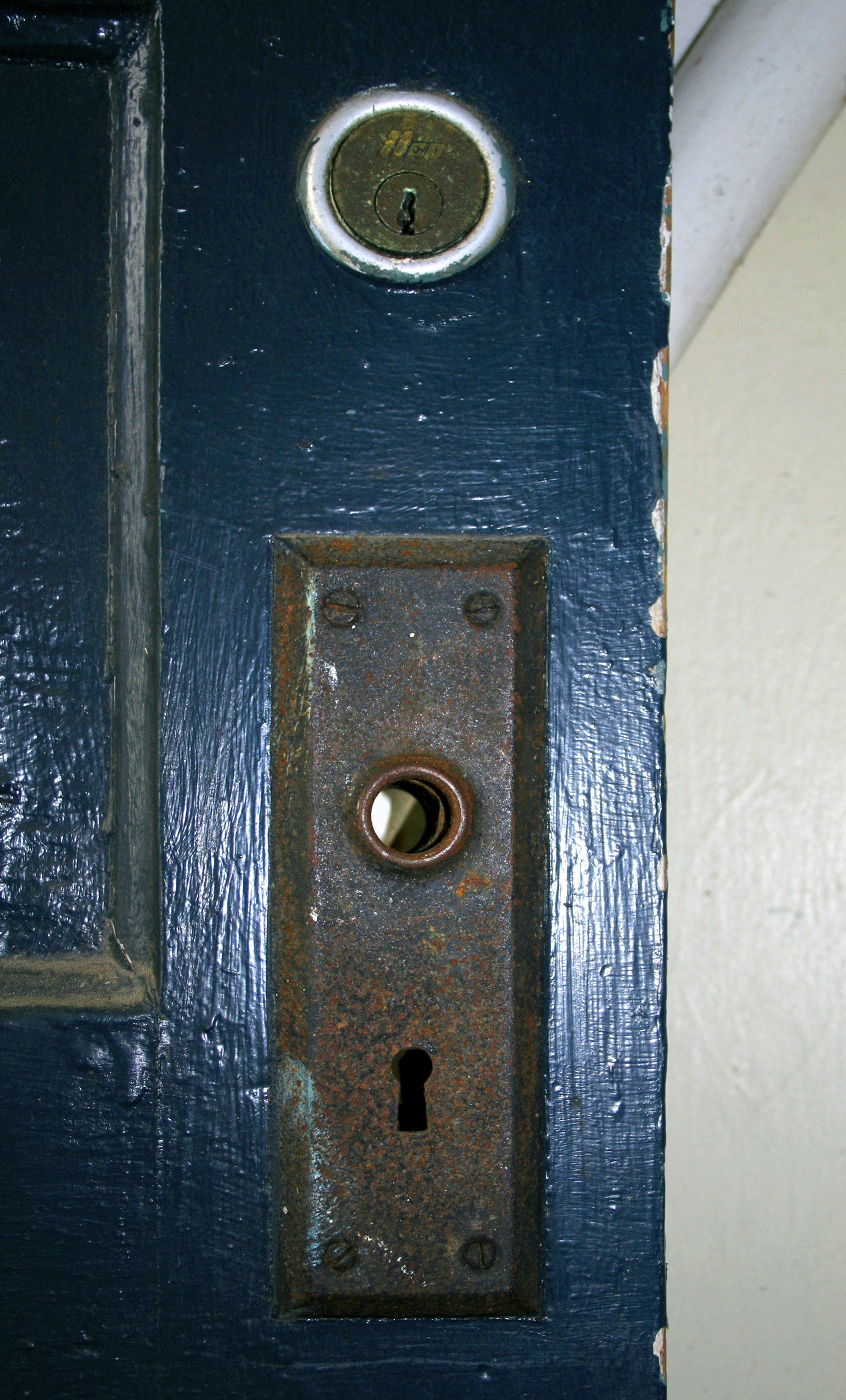
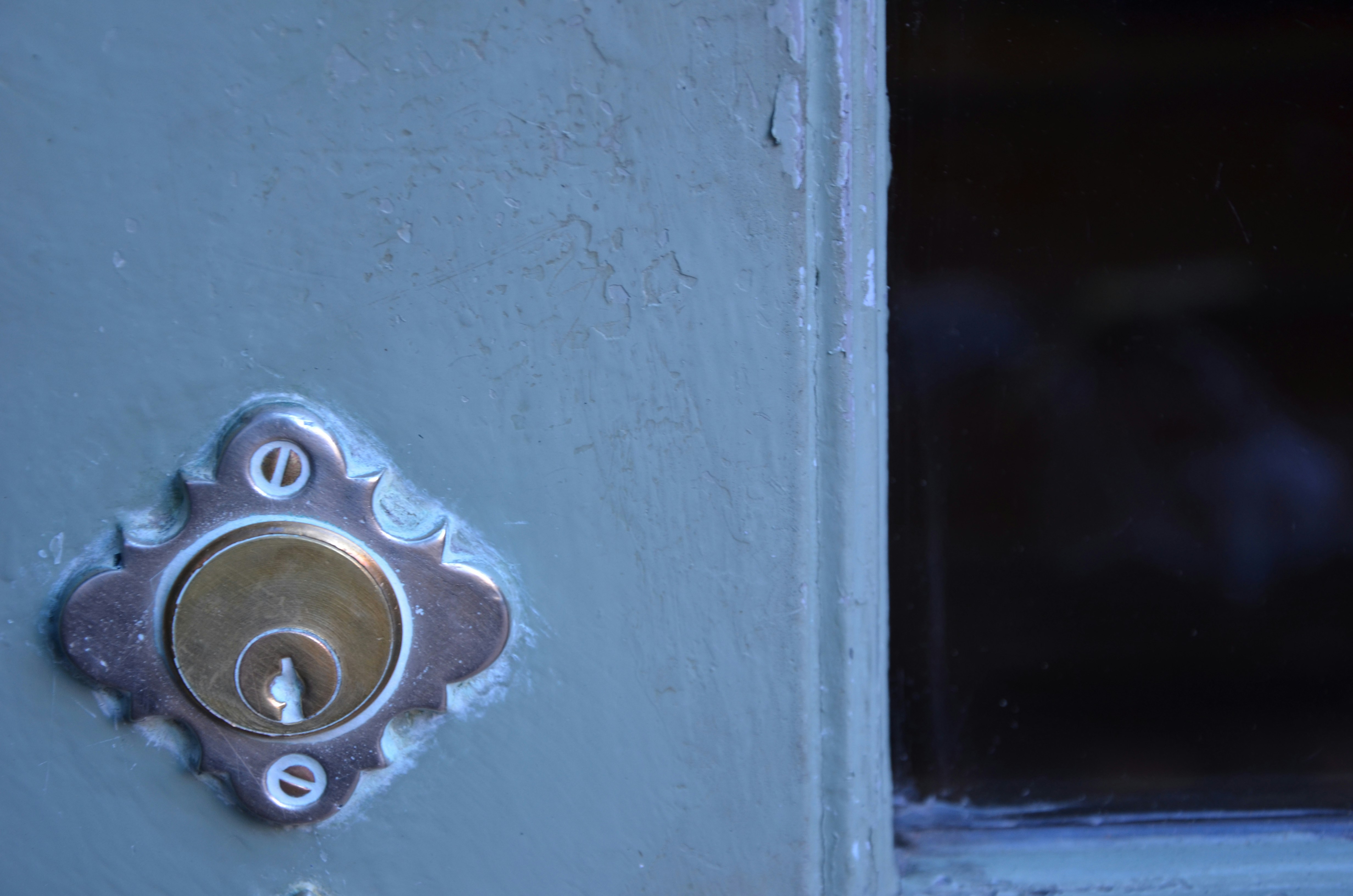
A stuck lock can leave you stranded, but simple lubrication often solves the issue.
2. Quick Diagnosis
Before you start spraying chemicals or forcing the key, figure out exactly what is wrong:
- Check key entry: Does the key slide in smoothly but refuse to turn, or does it refuse to go in at all?
- Try turning slowly: Gently jiggle the key while turning. Do not force it, as a snapped key makes the problem much worse.
- Check for freezing: If it’s the dead of winter, the moisture inside the lock may have literally frozen solid.
- Look for dirt or rust: Inspect the keyway with a flashlight. Look for gunk or severe rust.
- Check door alignment: Try lifting the handle or pushing the door firmly into the frame while turning the key. If it turns, the door is misaligned, not the lock.
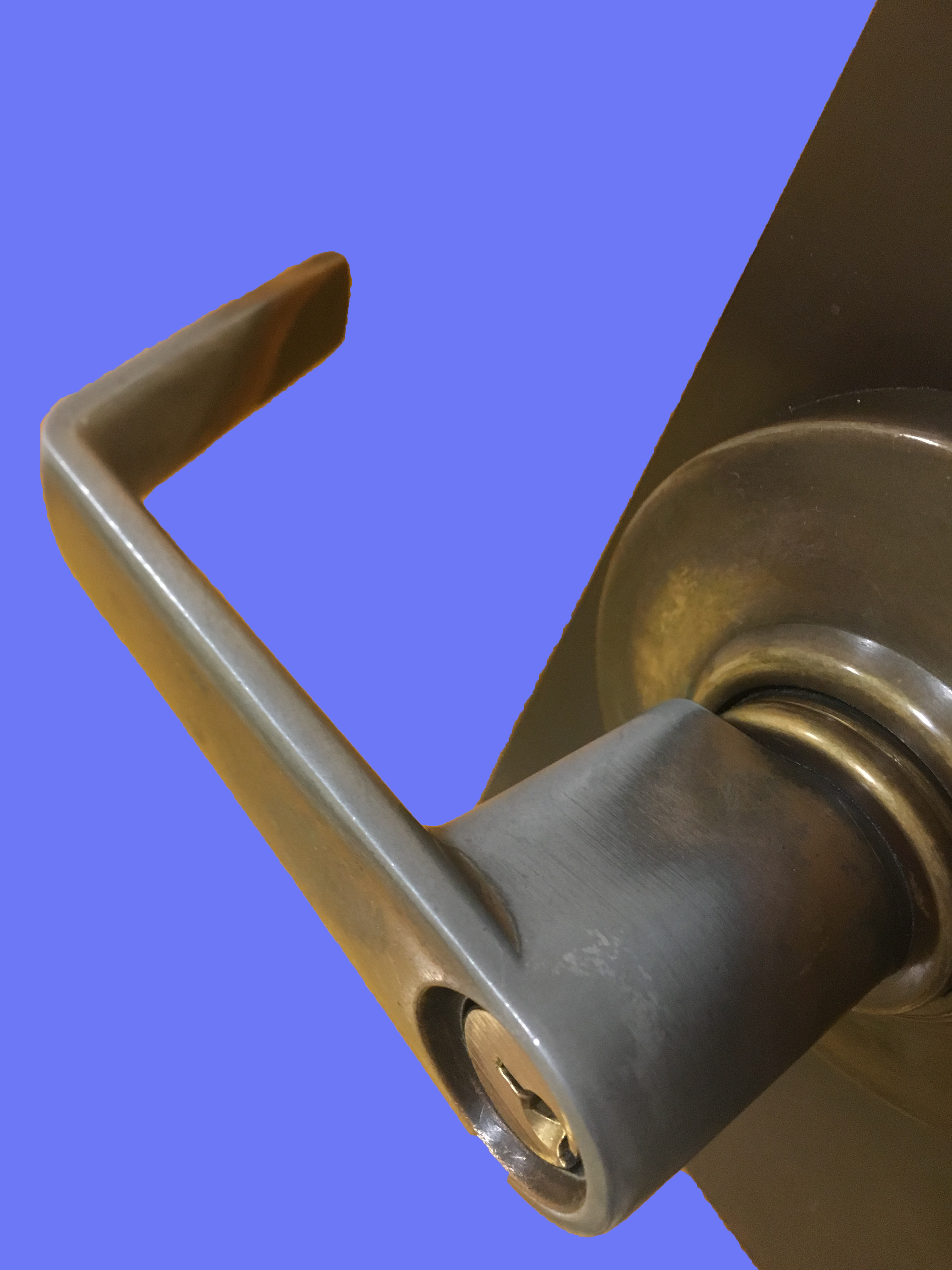
Understanding whether the issue is the cylinder or the door alignment is crucial.
3. Step-by-Step Fix
- Try graphite powder: The absolute best lubricant for locks is dry graphite powder. Squeeze a small puff directly into the keyhole. Insert your key and slide it in and out several times to coat the internal pins.
- Use WD-40 or silicone spray (with caution): If you don’t have graphite and the lock is severely rusted, spray a tiny amount of WD-40 or a silicone-based lubricant into the hole. Note: oil-based lubricants attract dust over time, so this is a temporary fix.
- Melt frozen locks: If the lock is frozen, do not pour boiling water on it (it will just freeze again later). Instead, heat your key with a lighter for a few seconds, insert it into the lock, and let the heat transfer to the ice. Alternatively, use a hand warmer or a hairdryer.
- Check and adjust door alignment: If the key turns easily while the door is open but sticks when closed, the deadbolt isn’t lining up with the strike plate on the frame. Tighten the door hinges to lift a sagging door.
- Clean the lock cylinder: Spray electrical contact cleaner or compressed air into the keyhole to blast out compacted lint and dirt.
- Loosen and retighten the lock: Sometimes the screws holding the lock casing together are too tight, causing the internal mechanisms to bind. Loosen the screws on the interior faceplate slightly and test the key.
- Replace the cylinder if needed: If the key turns but feels “crunchy,” the internal pins are destroyed. You can buy a replacement cylinder (the barrel) at a hardware store, slide the old one out by removing the side screw, and insert the new one.
4. Troubleshooting
- Lock is still stuck after lubrication: The internal pins have likely collapsed or a spring has broken. The lock cylinder must be replaced.
- Key won’t enter the lock at all: Look for a broken piece of another key or a foreign object shoved into the hole. You may need a lock extractor tool.
- Rough feeling when turning: The key itself might be worn down. Try using a spare, newly cut key to see if the operation smooths out.
- Misalignment persists: If tightening hinges doesn’t lift the door enough, you may need to file down the metal strike plate on the door frame to make the hole larger.
5. Prevention Tips
- Lubricate your exterior locks quarterly with graphite powder or dry PTFE spray.
- Keep locks clean and dry; ensure weather stripping prevents rain from hitting the lock directly.
- Never force a key to turn. If it resists, stop and investigate.
- Check your door’s alignment seasonally. Humidity changes cause wood frames to swell and shrink.
- Keep hinge screws tight to prevent the door from sagging over time.
6. When to Call a Professional
If your key snaps off inside the lock, the lock mechanism spins endlessly without engaging the bolt, or you are completely locked out of your home, you need to call an emergency locksmith. Professional locksmith call-out fees typically range from £80 to £200+, depending on the time of day and the complexity of the lock (e.g., standard cylinder vs. high-security multipoint lock). Review our locksmith cost guide to ensure you pay a fair price.
7. FAQ
Q1: Why is my door lock suddenly stuck?
It is usually due to a lack of lubrication, dirt buildup, rust, or the door sagging and causing the deadbolt to jam against the strike plate.
Q2: Is it safe to use WD-40 in a door lock?
Standard WD-40 is not recommended for long-term use because it attracts dust, which creates a sticky sludge. Dry graphite powder is the best choice.
Q3: How often should I lubricate my locks?
For exterior doors exposed to the weather, a quick puff of graphite powder every 3 to 6 months keeps them functioning perfectly.
Q4: How do I open a frozen door lock?
Heat the metal blade of your key with a lighter, insert it into the lock, and let the heat melt the ice. You can also use de-icer spray.
Q5: How much does a locksmith cost?
Standard business hours usually cost between £80 and £120. Emergency, late-night, or weekend call-outs can exceed £200.
Q6: Should I repair or replace my lock?
If the lock is old, rusted, or feels loose even after lubrication, replacing the cylinder is cheap (£15-£30) and far more secure than repairing it.
Q7: Can a misaligned door break a lock?
Yes. Forcing the lock to push a deadbolt against a misaligned frame puts immense stress on the internal metal parts, eventually breaking them.
Q8: What if my key breaks inside the lock?
If a piece is sticking out, try pulling it with needle-nose pliers. If it’s deep inside, do not push it further; call a locksmith with a specialized extraction tool.