Peeling Paint? Quick Fixes to Restore Your Walls
Updated for 2026 to reflect current UK emergency call-out pricing and insurance changes.
1. Introduction
Finding strips of paint flaking off your bathroom ceiling or bubbling on your living room wall can quickly ruin the aesthetics of your home. Peeling paint is a common issue caused primarily by underlying moisture, poor surface preparation before the last paint job, or the natural aging of the paint film. Luckily, repairing a localized patch of peeling paint is an easy DIY project that requires about 30 to 60 minutes of active work (plus drying time).
What you’ll need: A putty knife or paint scraper, fine-grit sandpaper, a stain-blocking primer, a small roller or brush, and matching interior paint. If the wall is damp to the touch or crumbling, you have a major leak that requires a professional. Before starting, check our interior painting guide for foundational tips.
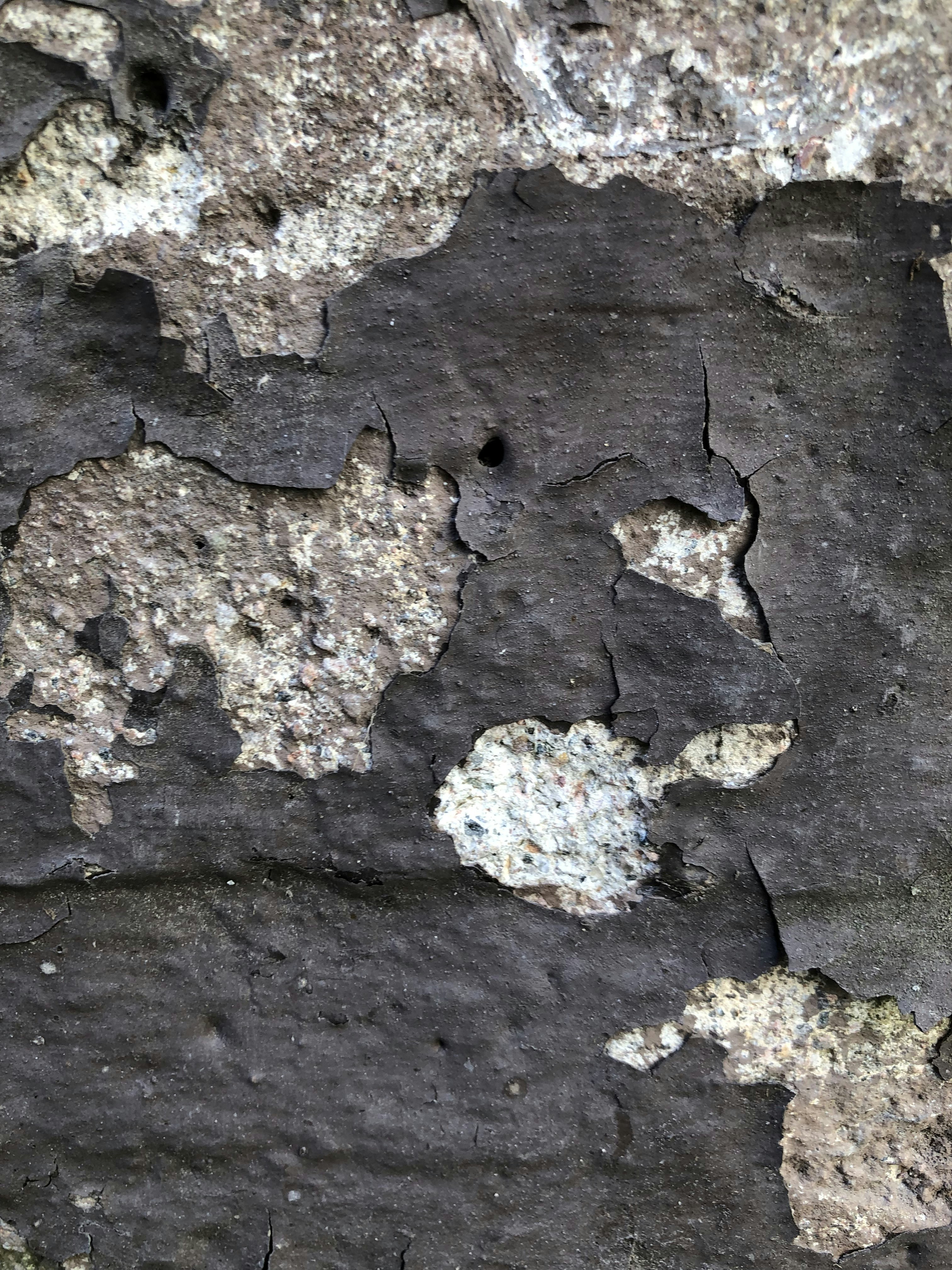
Paint peels when it loses adhesion to the substrate, usually due to moisture or poor prep.
2. Quick Diagnosis
Before you start scraping, determine why the paint is failing, or your new paint will simply peel off again:
- Check the location: Is it in a bathroom? High humidity and lack of ventilation cause paint to blister and peel.
- Moisture vs. Adhesion: Does the wall feel damp? If so, you have an active leak behind the drywall. If it’s dry, the previous painter likely didn’t use primer.
- Look for water stains: Are there brown or yellow rings around the peeling area? This confirms water damage from a roof or plumbing leak.
- Check for bubbling: Paint bubbles that feel squishy indicate trapped water. Hard, brittle flakes indicate old age and lost adhesion.
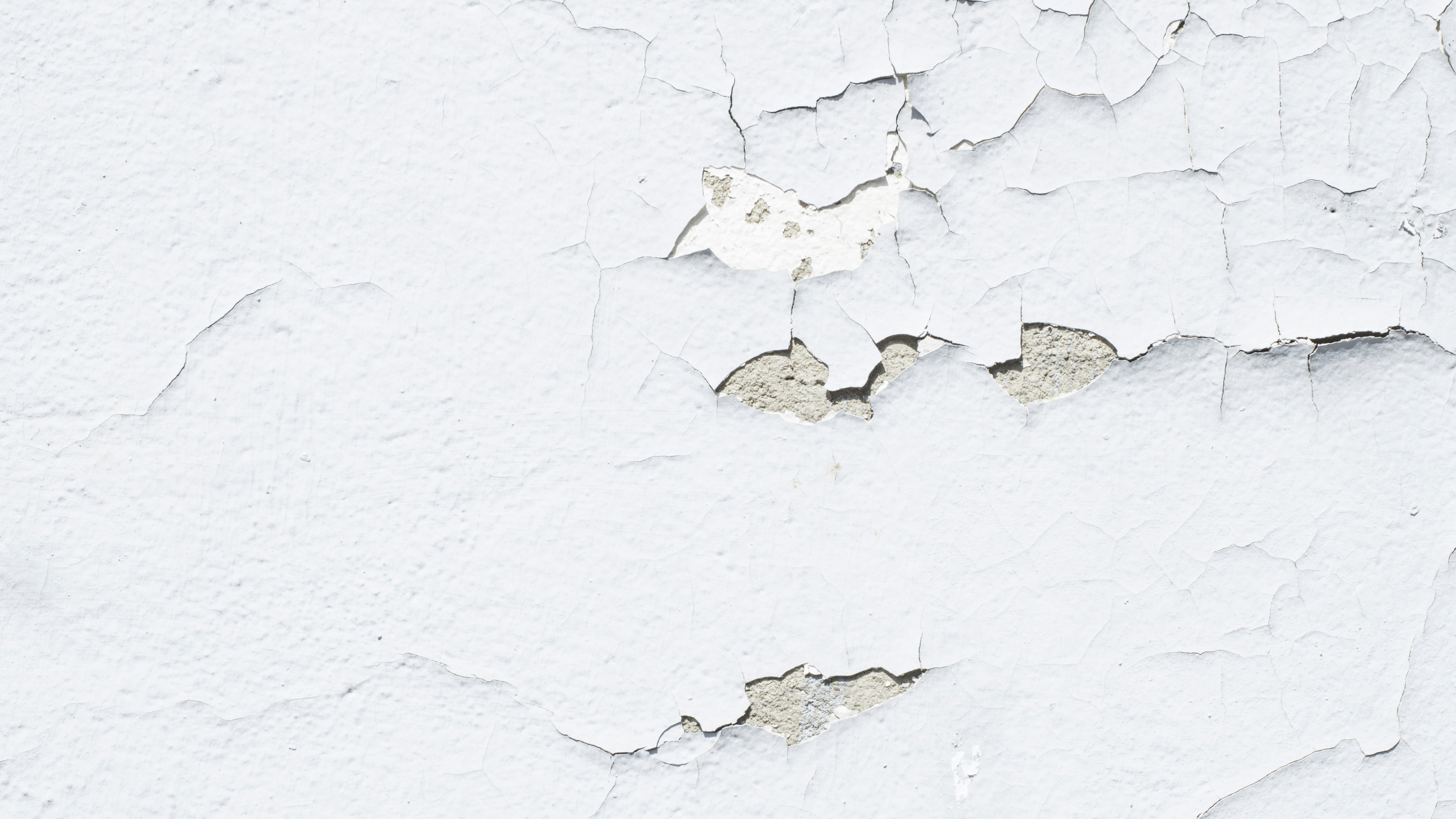
Investigating the cause of the peel is crucial to ensure a permanent repair.
3. Step-by-Step Fix
- Remove loose paint: Use a metal putty knife or paint scraper to gently slide under the peeling edges. Scrape away all the loose, flaking paint until you hit edges that are firmly adhered to the wall. Don’t gouge the drywall paper beneath.
- Sand the edges: You will be left with a noticeable “step” or ridge where the old paint meets the bare wall. Use 150-grit sandpaper to feather (smooth out) this hard edge so it blends invisibly into the bare surface. Wipe away all sanding dust with a damp cloth.
- Check for moisture: Feel the newly exposed drywall. If it is damp, soft, or crumbly, stop immediately. You must find and fix the source of the water leak before proceeding, or the repair will fail in weeks.
- Apply a high-quality primer: Paint will not stick to bare drywall or old, glossy paint. Use a brush or small roller to apply a coat of moisture-resistant, stain-blocking primer over the bare patch and slightly over the sanded edges. Let it dry completely according to the tin’s instructions.
- Apply the topcoat paint: Once the primer is completely dry, use a small roller to apply your matching wall paint. Using a roller (even for small patches) helps mimic the slight stippled texture of the rest of the wall, making the patch less noticeable.
- Blend the edges: “Feather” the new paint out slightly past the primed area by rolling with lighter pressure on the edges, blending the new paint seamlessly into the old.
- Apply a second coat: Wait a few hours, and apply a second topcoat to ensure full opacity and color match.


4. Troubleshooting
- The new paint is bubbling: The wall wasn’t completely dry before you painted, or the room is too humid. Wait for it to dry, scrape the bubble, and start over. Implementing strict moisture prevention is essential.
- The patch is highly visible: If you can see the outline of the hole, you didn’t sand the edges smoothly enough. If the texture looks flat compared to the wall, use a thicker roller nap next time.
- The paint won’t stick to the primer: You likely used an incompatible paint chemistry (e.g., latex paint directly over an old high-gloss oil primer without sanding).
- Peeling continues nearby: The adhesion failure is widespread. You may need to scrape the entire wall and skim-coat it.
5. Prevention Tips
- Maintain ideal humidity: Keep indoor humidity between 30% and 50%. Use bathroom exhaust fans for at least 30 minutes after showering.
- Fix leaks immediately: Never ignore a roof leak or a dripping pipe; water travels through walls and destroys paint adhesion.
- Invest in quality materials: Cheap paint lacks the acrylic resins necessary for long-term adhesion. Always use a high-quality primer and topcoat.
- Proper prep is key: Never paint over dirt, grease, or glossy surfaces without washing and sanding them first.
- Ventilate during painting: Allow fresh air to circulate so the paint cures properly rather than just drying superficially on the surface.
- Check trouble spots regularly: Inspect bathroom ceilings and window sills seasonally for early signs of bubbling before they peel.
6. When to Call a Professional
If the peeling is widespread across an entire ceiling, or if the drywall beneath is soft, spongy, and covered in black mold, you must call a professional. Widespread peeling on older homes (pre-1970s) carries a severe risk of lead paint exposure; never dry-sand suspected lead paint. If the job requires extensive skimming, plaster repair, or scaffolding for high ceilings, hiring a decorator is the safest route. Expect to pay between £200 and £500+ a day for a decorator. Check our professional painter cost guide for detailed regional pricing.
7. FAQ
Q1: Why does paint peel off the wall?
Moisture penetrating the wall from behind, extremely high humidity in the room, or failure to use a primer on bare walls are the primary culprits.
Q2: Is peeling paint dangerous?
It can be. If your home was built before the late 1970s, the peeling paint may contain lead. Inhaling lead dust from sanding is highly toxic.
Q3: Can I just paint directly over peeling paint?
No. The new paint will adhere to the loose flakes, and it will all fall off together within days. You must scrape down to a solid base.
Q4: What causes paint to bubble on the wall?
Bubbles are usually pockets of trapped water vapor or air. The wall may have been damp or too hot when the paint was originally applied.
Q5: How much does a professional decorator cost?
In the UK, professional decorators typically charge between £200 and £300 per day, depending on location and the extent of wall prep needed.
Q6: Should I repair the patch or repaint the whole wall?
If the original paint has faded from sunlight, a patch will always look slightly off-color. Painting the entire wall from corner to corner ensures a perfect finish.
Q7: How do I stop my bathroom ceiling from peeling?
Install and use a high-powered extractor fan. Also, use specifically formulated bathroom paint that contains mildewcides and moisture-resistant resins.
Q8: What if the wall behind the paint is crumbly?
You have severe water damage. The drywall or plaster has failed and must be physically cut out and replaced before any painting can occur.