Noisy Water Pipes? Quick Fixes to Stop the Banging
Updated for 2026 to reflect current UK emergency call-out pricing and insurance changes.
1. Introduction
Hearing loud banging, shuddering, or high-pitched squealing coming from your walls every time you turn on a tap can be alarming. Fortunately, while noisy water pipes are irritating, they are usually not a sign of an imminent disaster. The noise is generally caused by a phenomenon called “water hammer,” loose pipe straps, or excessively high water pressure. You can often diagnose and quiet these pipes in 15 to 30 minutes.
What you’ll need: An adjustable wrench, some pipe straps or foam insulation, and potentially a water pressure gauge. If the issue requires installing a pressure reduction valve, you will need a plumber.
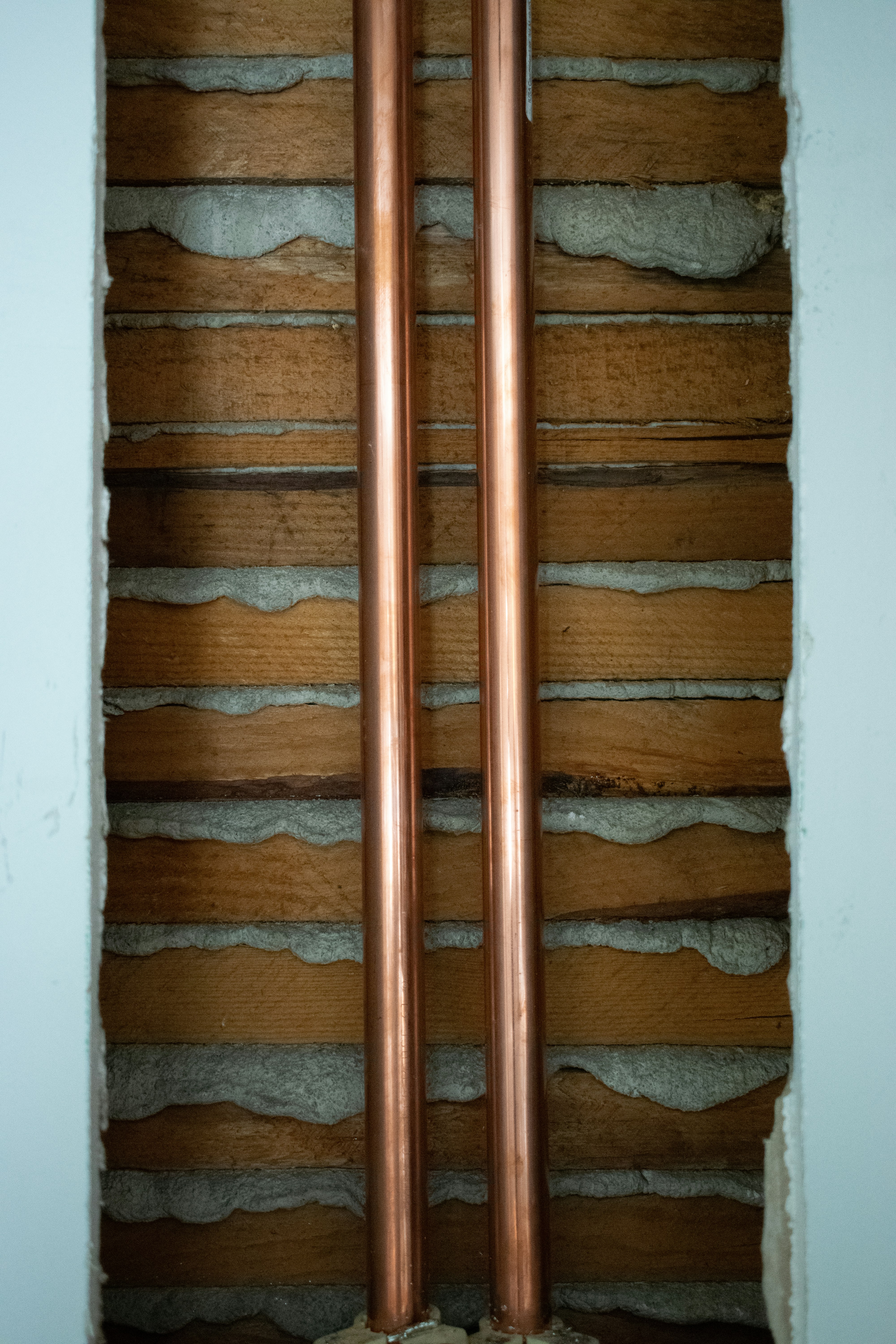
Pipes that aren’t securely strapped to the framing will vibrate and bang.
2. Quick Diagnosis
Identify exactly when and how the noise happens:
- Loud bang when a tap is turned off suddenly: This is “water hammer,” caused by a shockwave of water hitting a closed valve.
- Continuous rattling while water is running: This usually means a pipe is loose and vibrating against a wooden joist or wall.
- High-pitched whistling or squealing: This indicates water being forced through a restricted opening, like a worn-out washer in a faucet or toilet fill valve.
- Check water pressure: Buy a cheap gauge that screws onto an outside hose bib. Normal home pressure should be between 40 and 80 PSI. Anything higher will cause noise and damage fixtures.
Testing your water pressure is a crucial diagnostic step.
3. Step-by-Step Fix
- Check for water hammer: If the banging occurs when a washing machine or dishwasher valve snaps shut, your system’s air chambers are likely waterlogged.
- Drain and refill pipes (Reset Air Chambers): Turn off the main water supply to the house. Open the highest faucet in your home, then open the lowest faucet (like an outside hose bib or basement sink) to let all the water drain out. Close the lowest faucet, turn the main water back on, and let the air spit out of the top faucet before turning it off. This restores the protective cushion of air in the pipes.
- Secure loose pipes: Trace the noisy pipe in your basement or crawlspace. If it wiggles freely, buy metal or plastic pipe straps (U-shaped brackets) and screw them over the pipe into the wooden joists every 4 to 6 feet to prevent vibration.
- Reduce water pressure: If your pressure gauge reads above 80 PSI, locate the Pressure Reducing Valve (PRV) near your main water shut-off. Use a wrench to turn the adjustment bolt counterclockwise slightly to lower the pressure.
- Insulate pipes: If securing the pipes isn’t enough, wrap them in inexpensive foam pipe insulation tubes. This pads them against wooden beams, deadening any remaining rattling noises.
- Check loose connections: Look for any dripping joints where the pipes might be violently shaking loose. Tighten supply line nuts carefully.
- Check for mineral buildup: If you have a whistling faucet, turn off the water under the sink, remove the faucet cartridge, and clean out any hard water scale.
4. Troubleshooting
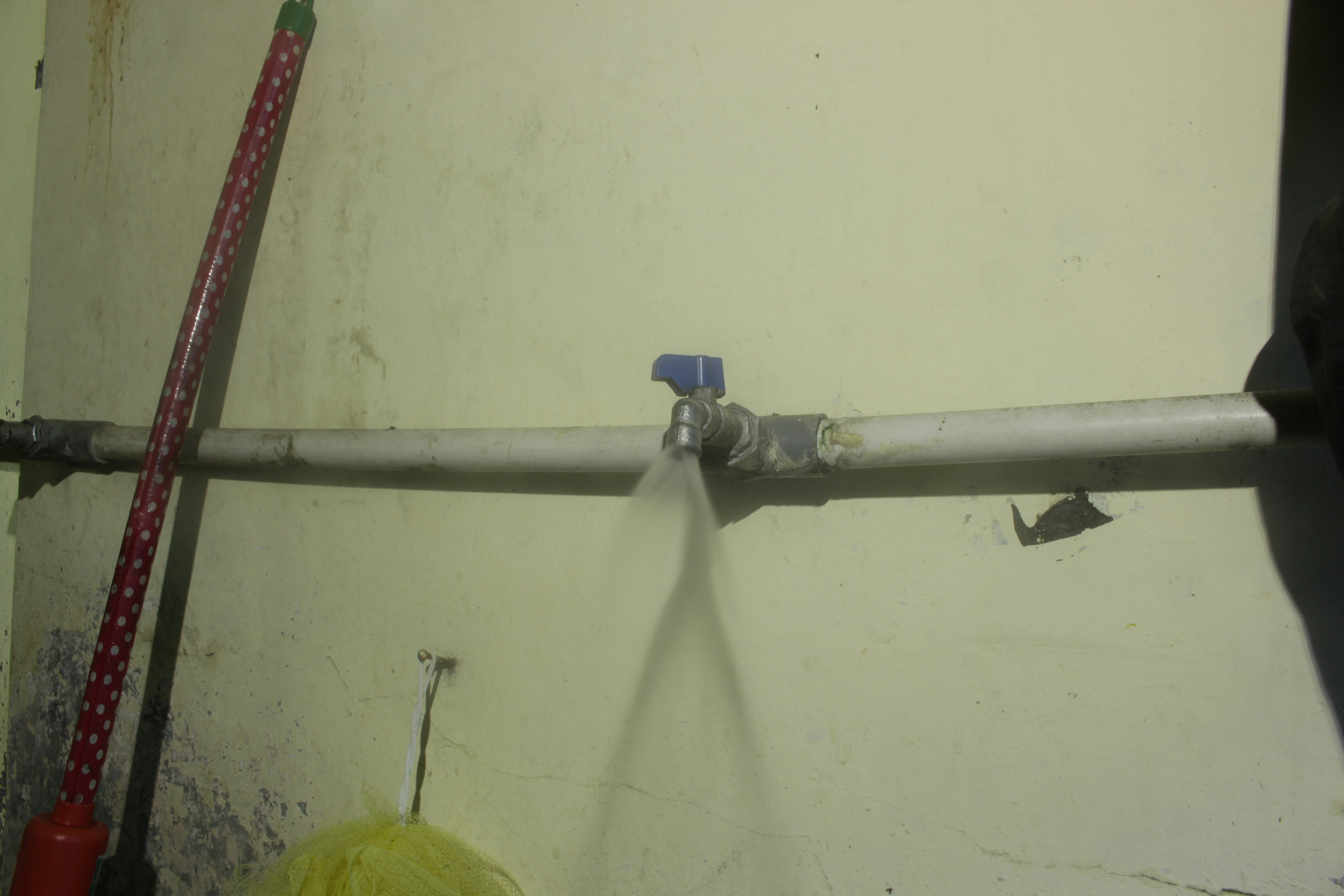
- Banging continues after draining pipes: Your home might not have built-in air chambers, or they are permanently corroded. You need to install “water hammer arrestors” directly onto the supply lines behind your washing machine.
- Whistling from the toilet: The toilet’s internal fill valve (ballcock) has a degraded rubber seal that vibrates like a reed instrument. Replace the fill valve.
- Tick-tick-tick sound when hot water runs: This is thermal expansion. The hot copper pipe is expanding and rubbing against a tight wooden joist. It’s annoying but harmless. Wrap the pipe in foam if accessible.
5. Prevention Tips
- Maintain water pressure strictly below 80 PSI. High pressure degrades seals and exacerbates all pipe noises.
- Drain your home’s plumbing system annually to keep the air chambers functional.
- Check pipe straps in your basement quarterly to ensure they haven’t wiggled loose.
- Install a water softener if you have hard water to prevent scale buildup that causes whistling blockages.
- Insulate all accessible hot water pipes to minimize thermal expansion noises.
6. When to Call a Professional
If the noise is deafening, if resetting the system doesn’t work, or if you need a new Pressure Reducing Valve (PRV) soldered into your main water line, you should call a certified plumber. Severe water hammer can eventually burst pipe joints and flood your home. Professional fixes for water hammer typically cost between £100 and £200+. Check our pipe repair cost guide for comprehensive rates.
7. FAQ
Q1: What causes noisy water pipes?
The primary culprits are water hammer (shockwaves), loose pipes vibrating against wood, or water pressure that is too high.
Q2: Are noisy pipes dangerous?
Usually not immediately, but chronic, violent water hammer can eventually fatigue soldered joints and cause a catastrophic pipe burst.
Q3: What is “water hammer”?
When fast-flowing water is suddenly stopped by a closing valve, the momentum creates a shockwave that echoes through the pipes.
Q4: How do I check my water pressure?
Purchase a £10 water pressure gauge from a hardware store, screw it onto an outdoor tap, and turn the water on full blast.
Q5: How do I reduce water pressure?
Locate the bell-shaped Pressure Reducing Valve near your water meter and turn the top bolt counterclockwise to lower the pressure.
Q6: How much does it cost to fix noisy pipes?
DIY fixes cost under £20 for straps and gauges. If a plumber needs to install water hammer arrestors or a new PRV, expect to pay £100 to £200+.
Q7: Can I prevent noisy pipes?
Yes, keeping pressure below 80 PSI and securing long runs of pipe with brackets prevents the vast majority of noise issues.
Q8: What if a pipe bursts because of the banging?
Turn off your main water valve immediately to prevent flooding, and call an emergency plumber. Review our emergency call-out fee guide for help.