Microwave Not Heating Food? Quick DIY Checks You Can Do
Updated for 2026 to reflect current UK emergency call-out pricing and insurance changes.
1. Introduction
It is incredibly annoying when you put food into the microwave, the timer counts down, the plate spins, but the food comes out stone cold. A microwave not heating is a common issue. It can be caused by power problems, a broken door latch, a misaligned turntable, or internal magnetron issues. Most safe diagnostic checks take just 5 to 10 minutes.
What you’ll need: Your microwave, a microwave-safe cup, and some water. Because microwaves hold high voltage even when unplugged, we will outline when to perform safe checks and when to definitely call a professional.
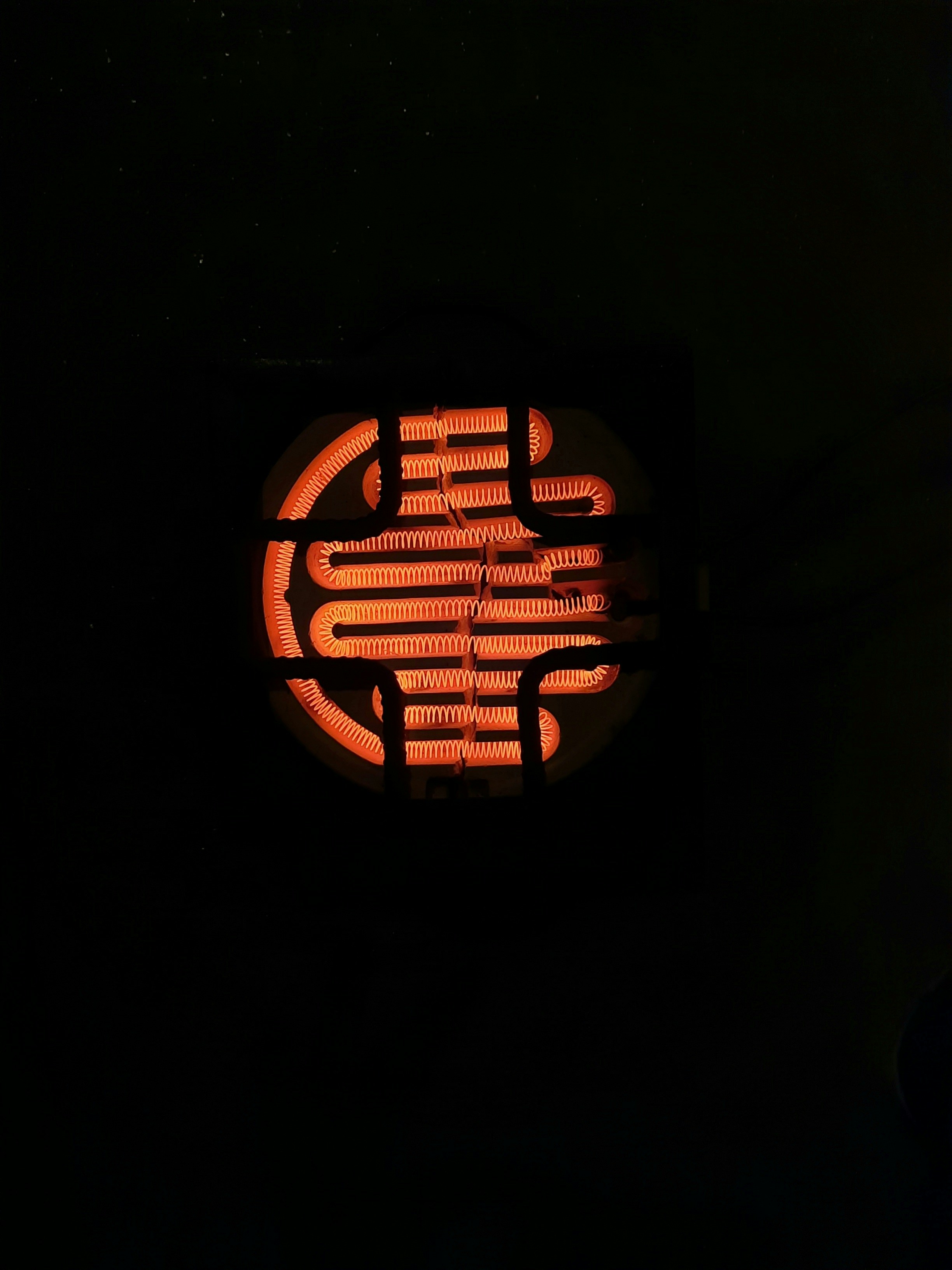
Understanding your microwave’s components helps with troubleshooting.
2. Quick Diagnosis
First, observe the microwave’s behavior to pinpoint the problem:
- Check if the microwave powers on at all (lights, clock display).
- Check if the internal glass turntable spins when activated.
- Listen closely—does the microwave make its normal deep humming sound, or is it quieter than usual?
- Test with water: Put a cup of water in for 1 minute and feel if it gets warm.
- Check if the door closes properly and clicks into place.
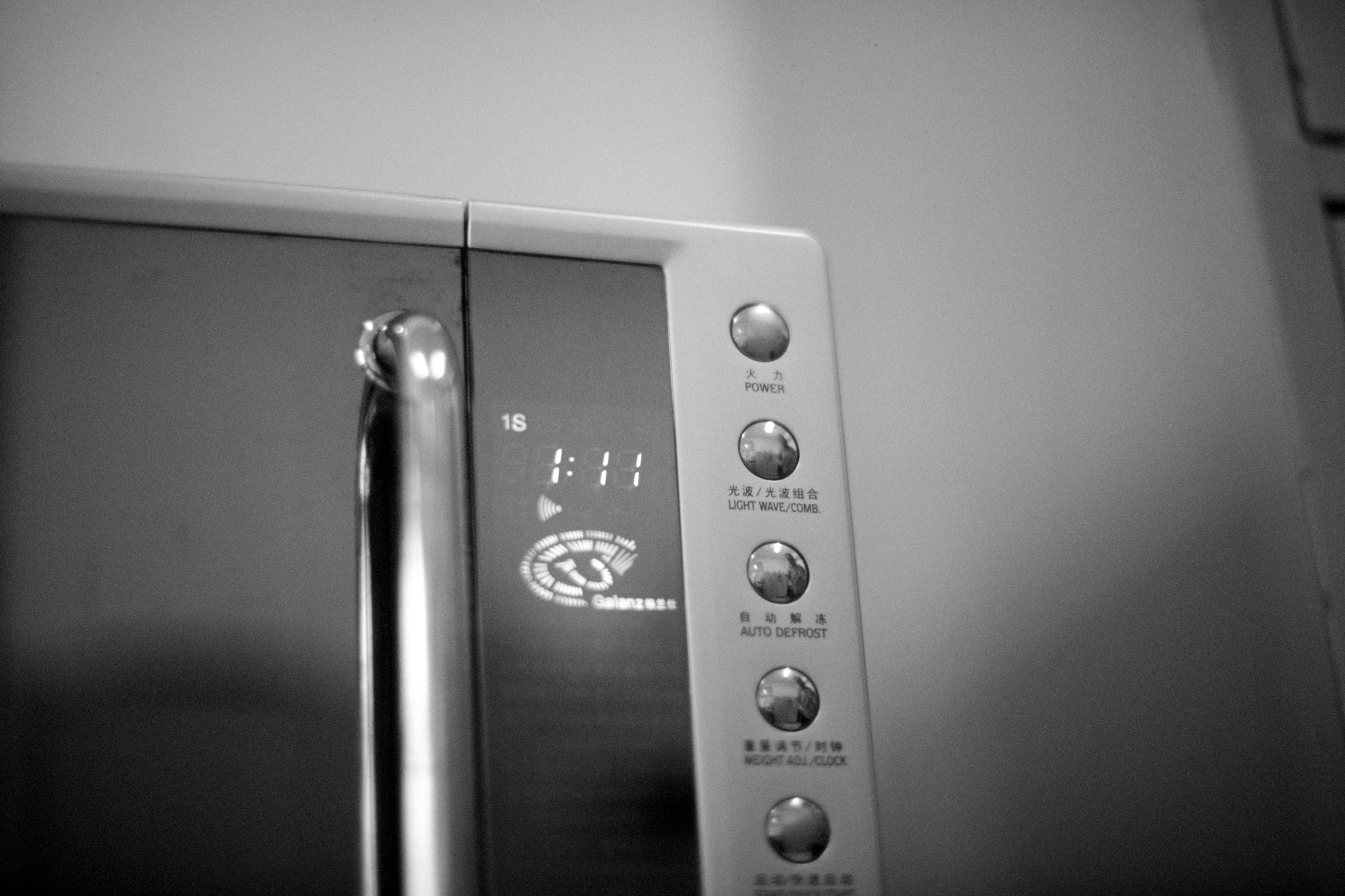
Check your microwave’s control panel for any error indicators.
3. Step-by-Step Fix
- Check power supply: Make sure it is securely plugged in. Check if the wall outlet works by plugging in a small lamp. Check your home’s circuit breaker to ensure it hasn’t tripped.
- Check door latch: Open the door and look for the latch mechanism. Make sure the door closes completely and you hear a distinct click. If the safety latch is broken, the microwave purposely won’t heat.
- Check turntable: Ensure the glass turntable is seated properly on the rotating ring. If it is misaligned, remove it, clean the track, and replace it carefully.
- Test with water: Place a cup of cold water in the microwave, set the timer for 1 minute, and run it. Carefully feel the water. If it does not get warm, the heating element (magnetron) or diode may be faulty.
- Check for blown fuse: Unplug the microwave. Some models have an accessible thermal fuse near the power cord. If it looks black or broken, it needs replacement. Note: If accessing the fuse requires opening the main casing, call a professional, as internal capacitors hold lethal charge.
- Reset microwave: Unplug the appliance completely from the wall for 5 minutes. Plug it back in and try heating water again. This clears control board glitches.
- Check for recalls: Look up your microwave’s model number online. Check the manufacturer’s website for known recalls. If it is recalled, contact them for a free fix or replacement.
4. Troubleshooting
- Microwave powers on but doesn’t heat: This is a classic symptom of a blown high-voltage diode, a failed magnetron, or a broken door switch.
- Microwave won’t turn on at all: Usually a blown line fuse, a tripped house circuit breaker, or a completely dead main control board.
- Turntable won’t spin: The small turntable motor under the floor has likely failed and needs replacing. The food may heat unevenly.
- Door won’t close: The latch hooks or the spring mechanism have broken. The microwave’s safety features will prevent it from running.
5. Prevention Tips
- Do not run the microwave empty; the waves have nowhere to go and can damage the magnetron.
- Clean the interior regularly to prevent grease buildup, which can cause arcing and sparks.
- Do not block the external air vents.
- Only use microwave-safe glass or ceramic containers; never use metal or foil.
- Do not overheat food. Let the microwave cool down completely between heavy uses.
6. When to Call a Professional
Because microwaves contain a high-voltage capacitor that can hold a deadly electrical charge long after the unit is unplugged, you should NEVER open the main casing unless you are a trained professional. If the basic external checks fail, call an appliance repair technician. A professional microwave repair usually costs between £80 and £200+. For smaller countertop models, replacing the entire unit is often more cost-effective. See our repair cost guide for more details.
7. FAQ
Q1: Why is my microwave not heating food?
The magnetron, high-voltage diode, or the door switch is likely faulty and preventing the microwave energy from generating.
Q2: Is it safe to open a microwave?
NO. The internal high-voltage capacitor stores a lethal amount of electricity even when unplugged. Leave internal repairs to professionals.
Q3: Can I replace the thermal fuse myself?
If the fuse is accessible via an external panel on the back, yes. If it requires removing the main casing, no.
Q4: How much does microwave repair cost?
Parts and labor generally range from £80 to £200+ depending on whether it is a built-in or countertop model.
Q5: Should I replace or repair my microwave?
If it’s a standard £100 countertop microwave, replace it. If it is a £500+ built-in over-the-range model, repairing it makes more financial sense.
Q6: Can I use microwave if door doesn’t close properly?
No. Operating a microwave without a sealed door can lead to dangerous radiation exposure.
Q7: What does the thermal fuse do?
It acts as a safety device that cuts off power to the microwave if it begins to severely overheat.
Q8: How long do microwaves typically last?
A well-maintained microwave should last between 7 to 10 years with average daily use.