Leaky Kitchen Sink? Quick Fixes to Stop the Drip
Updated for 2026 to reflect current UK emergency call-out pricing and insurance changes.
1. Introduction
A leaky kitchen sink is a common household nuisance that can lead to high water bills, warped cabinetry, and mold growth if left unchecked. The leak usually originates from worn-out washers, loose pipe connections underneath the sink, or a faulty faucet cartridge. Fortunately, you can fix most of these issues yourself in about 20 to 30 minutes.
What you’ll need: An adjustable wrench, a bucket, some dry towels, and possibly replacement rubber washers or a faucet cartridge. If a major pipe has cracked, you may need a professional.
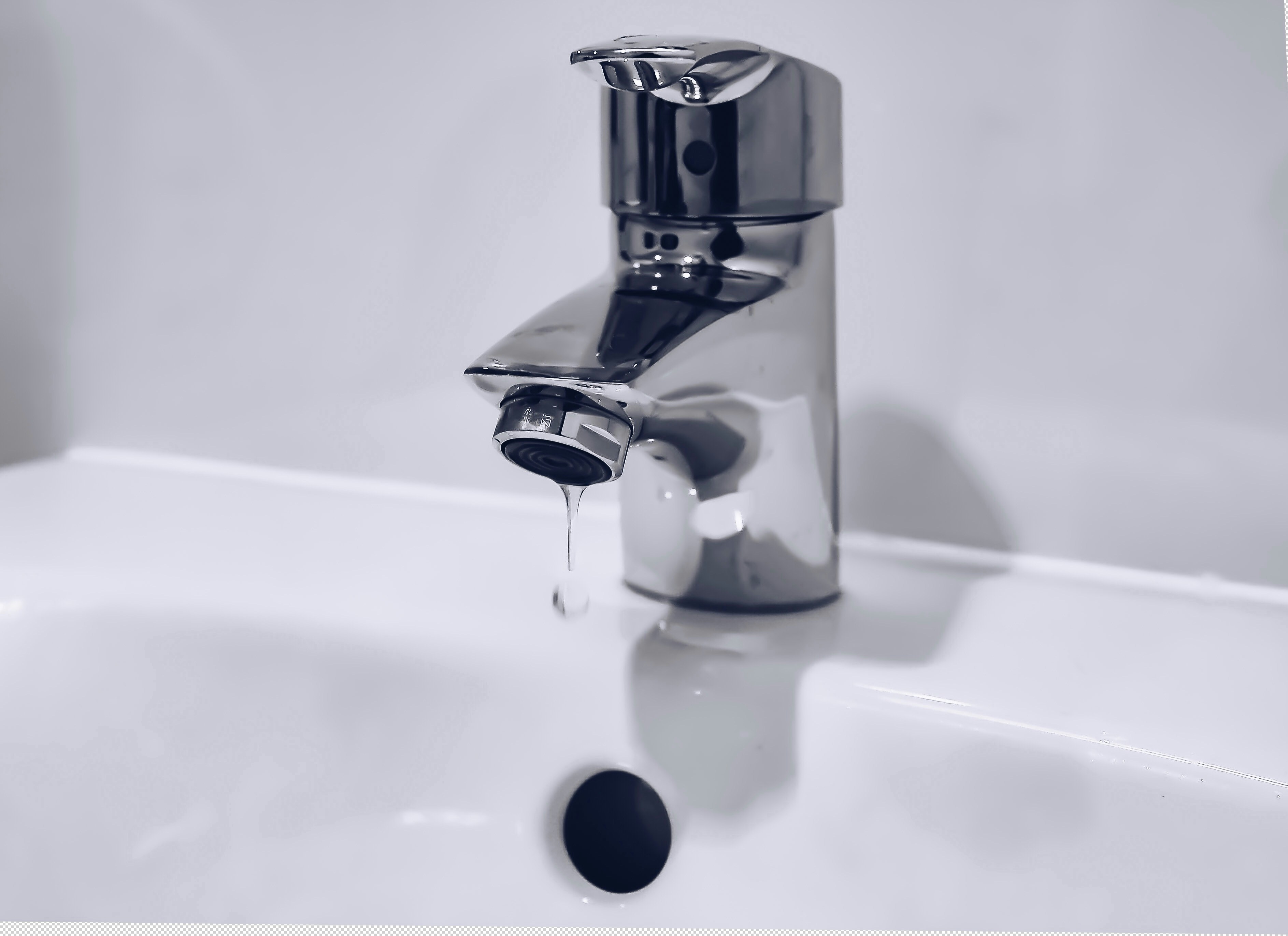
Identifying the exact source of the drip is the first step to fixing it.
2. Quick Diagnosis
Before reaching for your wrench, locate the exact origin of the water:
- Check drip location: Is water dripping from the end of the faucet spout, leaking around the base of the handle, or pooling inside the cabinet below?
- Check timing: Does it drip constantly, or only when you turn the water on?
- Look for water stains: Inspect the wood floor of your under-sink cabinet for dark stains, which indicate a long-term hidden leak.
- Check the drain: Fill the sink, let it drain, and watch the plastic P-trap pipes below for drips.
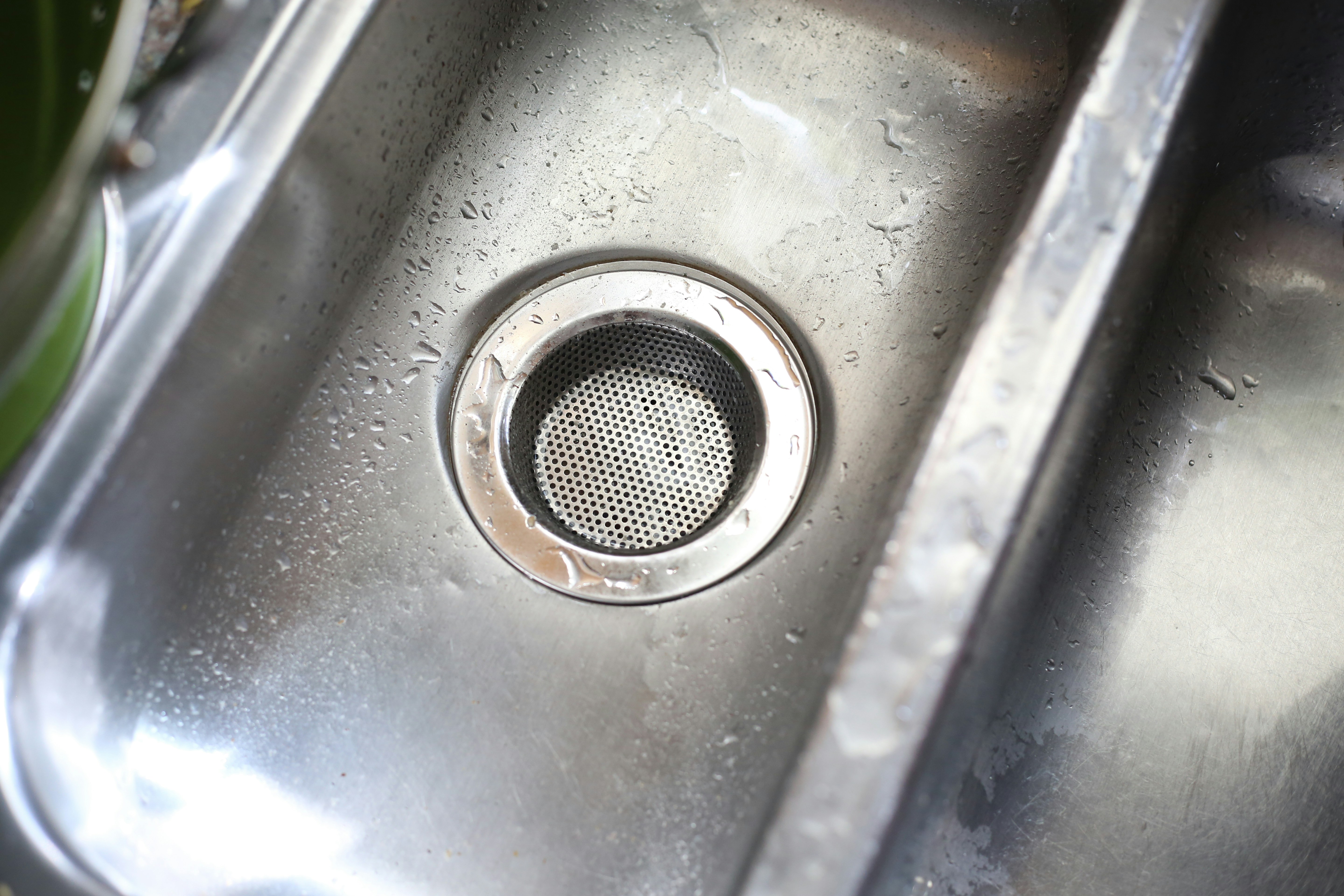
Check the slip-nut connections on the P-trap if water is pooling below.
3. Step-by-Step Fix
- Tighten under-sink connections: If the leak is below the sink, check the plastic slip-nuts on the P-trap (the U-shaped pipe). Hand-tighten them firmly. Do not use a wrench on plastic nuts, as they can easily crack.
- Replace worn washers: If the faucet spout is dripping, turn off the water supply valves under the sink. Remove the faucet handle, take out the valve stem, and examine the rubber washer at the bottom. If it’s flattened or cracked, replace it.
- Check the O-rings: If water leaks from the base of the faucet spout when turned on, the internal O-rings are worn. Remove the spout, cut off the old O-rings, coat new ones in plumber’s grease, and roll them into place.
- Inspect supply lines: Check the braided metal or plastic hoses connecting the wall valves to the faucet. If they are wet, use an adjustable wrench to tighten the nuts 1/4 turn.
- Replace the cartridge (for newer faucets): Most modern mixer taps don’t have rubber washers; they use a ceramic cartridge. Turn off the water, remove the handle, unscrew the retaining nut, pull out the old cartridge, and drop in an exact replacement.
- Check the sink strainer: If water leaks right where the drain meets the bottom of the stainless steel sink, the plumber’s putty has failed. You will need to unscrew the strainer assembly and apply fresh putty.
- Test the fix: Turn the water supply back on. Run the water on full pressure and check all the points you just tightened or replaced with a dry paper towel to spot any microscopic leaks.
4. Troubleshooting
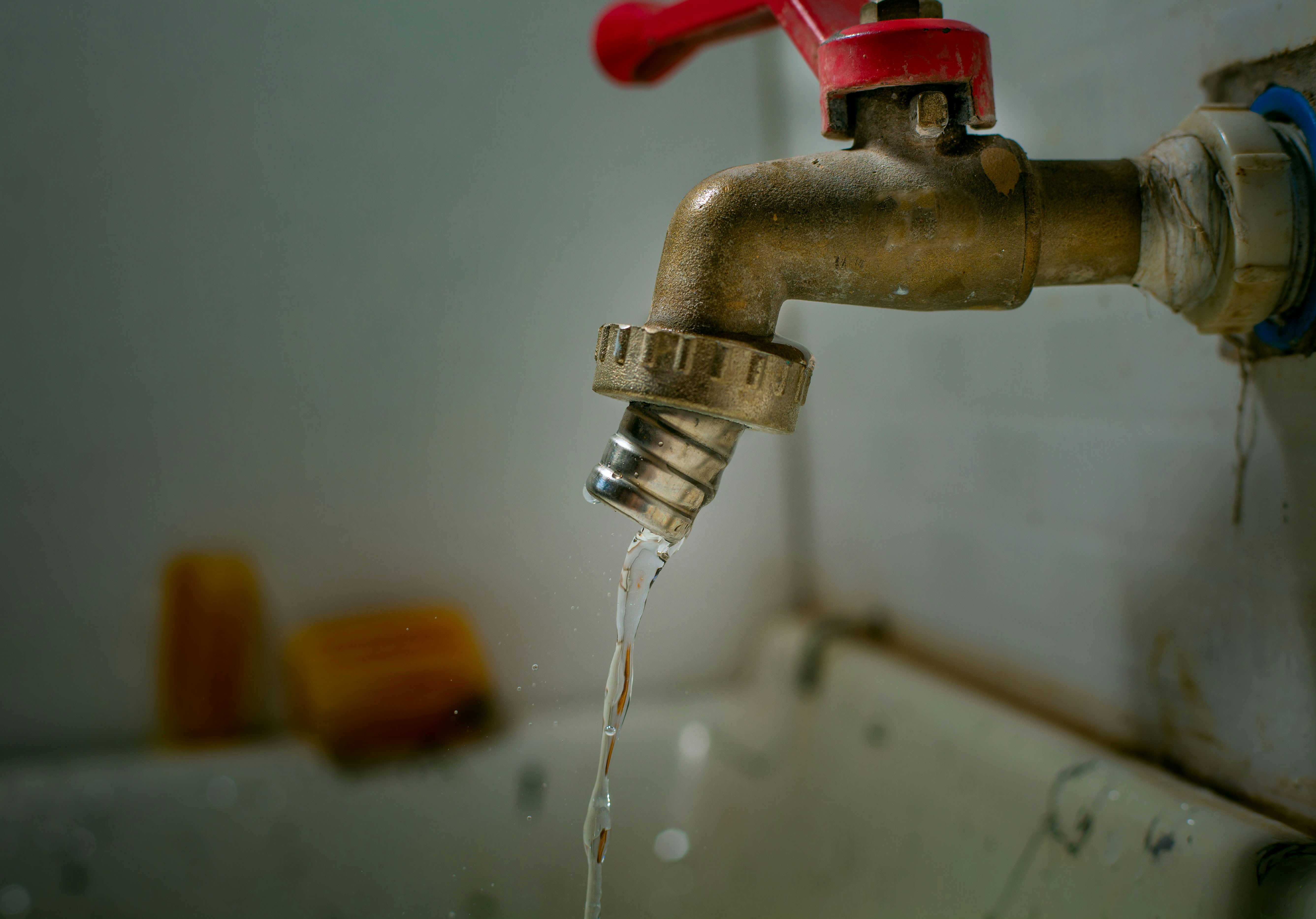
- Persistent spout drip: The brass seat inside the faucet body might be pitted or corroded. You can try a seat-grinding tool, or simply replace the entire faucet unit.
- Under-sink leaks continue: If tightening the plastic P-trap nuts doesn’t work, the plastic threads are likely stripped or the internal rubber slip-washers are ruined. Buy a new trap kit.
- Leak only happens when dishwasher runs: The connection where the dishwasher drain hose meets the sink plumbing is loose or cracked.
5. Prevention Tips
- Do not over-tighten faucet handles when turning them off; this crushes the rubber washers.
- Replace standard rubber washers every 2-3 years before they fail completely.
- Check the cabinet under your sink once a month with a flashlight.
- Use a water softener if you live in a hard-water area; mineral buildup destroys ceramic cartridges quickly.
- Never pour harsh chemical drain cleaners down the sink; they eat away at plastic pipes and seals.
6. When to Call a Professional
If a pipe has physically cracked, the main shut-off valves are seized and won’t turn, or the leak is hidden behind the drywall, you need a professional plumber immediately. Water damage can ruin flooring and structural beams very quickly. Standard plumbing repairs usually cost between £100 and £250+. Read our plumbing cost guide to understand standard call-out fees.
7. FAQ
Q1: What causes a kitchen sink to leak?
The most common causes are worn rubber washers inside the faucet, degraded O-rings, or loose plastic slip-nuts under the sink.
Q2: How do I turn off the water before fixing it?
Look under the sink for two oval-shaped knobs (one for hot, one for cold). Turn them clockwise until they stop.
Q3: Can I fix a leaky sink myself?
Yes, most leaks require basic tools (screwdrivers and a wrench) and cheap replacement parts from a hardware store.
Q4: How much does professional sink repair cost?
Plumbers typically charge £100 to £250+ depending on the complexity of the fix and the required replacement parts.
Q5: Should I repair or replace my dripping faucet?
If replacing the cartridge doesn’t stop the drip, or if the faucet is heavily corroded and over 10 years old, replacing the entire unit is the best option.
Q6: Can I use plumber’s tape to stop a leak?
Teflon (plumber’s) tape is useful on threaded metal pipe joints, but it should not be used on compression fittings or plastic slip-nuts under the sink.
Q7: Why does it leak when I run the water, but not when it’s off?
This indicates a leak in the drainage pipes (the P-trap) under the sink, rather than a pressurized supply line issue.
Q8: Can hard water cause leaks?
Absolutely. Mineral deposits act like sandpaper, grinding down the rubber seals and ceramic discs inside the faucet mechanism.