Clogged Bathtub Drain? Quick Fixes to Restore Water Flow
Updated for 2026 to reflect current UK emergency call-out pricing and insurance changes.
1. Introduction
Standing in ankle-deep, soapy water during your shower is incredibly frustrating. A clogged bathtub drain is a universal household problem, almost exclusively caused by a dense buildup of long hair wrapping around the drain crossbars and combining with sticky soap scum. The good news is that returning your tub to peak draining performance is a straightforward DIY task that takes only 15 to 30 minutes.
What you’ll need: A cup plunger, a plastic drain snake (zip-it tool) or needle-nose pliers, baking soda, white vinegar, and rubber gloves. If the blockage is located deep within your home’s main sewer line, you will need professional equipment. Otherwise, this is a very similar process to fixing a Clogged Shower Drain.
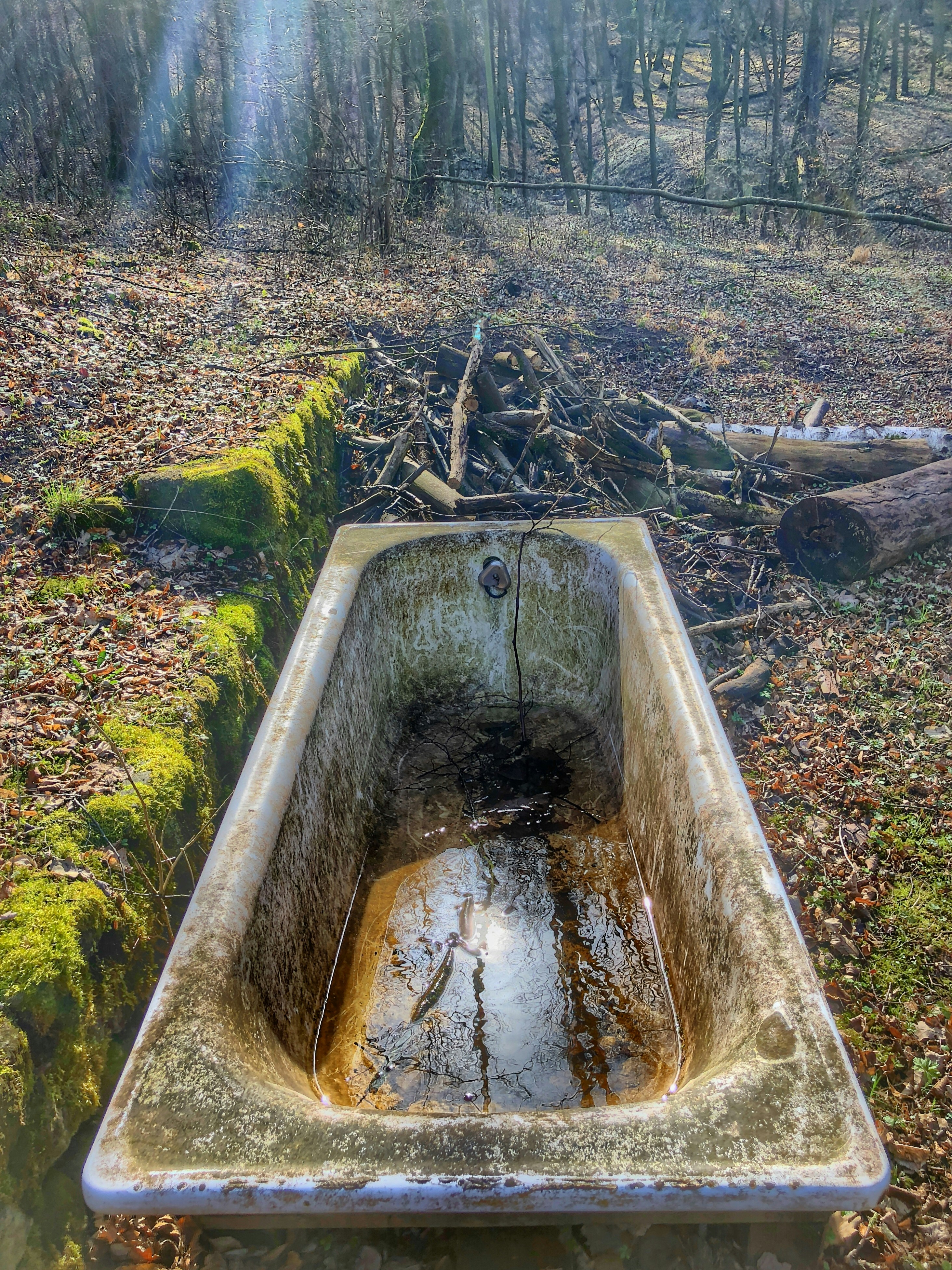
Standing water in the tub means a massive ball of hair and soap is blocking the P-trap.
2. Quick Diagnosis
Assess the severity of the clog before you start plunging to ensure you use the right method:
- Check drainage speed: Is the water draining very slowly, or has it completely stopped?
- Look for visible debris: Shine a flashlight down past the drain stopper. Can you physically see a web of hair right below the surface?
- Check other drains: Flush the toilet. Does water bubble up into the bathtub? If so, your main sewer line is blocked, not just the tub.
- Smell for odors: A foul, rotting smell suggests the blockage consists of decomposing biological matter stuck in the pipes.

Often, the bulk of the clog is wrapped directly around the drain stopper mechanism.
3. Step-by-Step Fix
- Remove visible debris: Unscrew or pop out the bathtub drain stopper. Wear rubber gloves and use your fingers, tweezers, or needle-nose pliers to grab the thick mat of hair lingering just below the crossbars.
- Use a cup plunger: Fill the tub with two inches of water. Crucial step: Use a wet rag to tightly seal the overflow plate (the metal circle high up on the tub wall), or the pressure will escape. Place the cup plunger over the drain and pump vigorously up and down 15 times to break up the clog.
- Try baking soda and vinegar: If the tub is empty but draining slowly, pour 1/2 cup of baking soda directly down the drain. Follow it with 1/2 cup of white vinegar. Cover the drain hole and let the fizzing action dissolve the greasy soap scum for 30 minutes.
- Use a drain snake: If plunging fails, insert a flexible plastic drain snake (zip-it tool) into the drain. Push it down until it hits the P-trap, twist it around to snag the hair, and pull it back out. Prepare yourself; it will be messy and smelly.
- Pour boiling water: Once you have removed the physical hair blockage, carefully pour a large kettle of rapidly boiling water down the drain. The intense heat melts away the remaining solidified soap and body oils lining the pipes.
- Use a commercial drain cleaner (Last Resort): If natural methods and snaking fail, use a heavy-duty chemical gel specifically formulated to dissolve hair. Follow the manufacturer’s instructions, wear eye protection, and ventilate the bathroom.
- Install a drain strainer: Prevent this from ever happening again by purchasing a cheap silicone or stainless steel hair catcher and placing it over the drain hole.


4. Troubleshooting
- Drain is still slow after snaking: You likely have a secondary blockage deeper down the line. You may need to feed a metal plumber’s auger through the overflow tube to reach past the P-trap.
- Plunging isn’t working: Ensure you are completely blocking the overflow plate hole with a damp cloth. Without that seal, you are generating zero downward suction power.
- Chemical cleaner didn’t work: Chemicals flow right past massive wads of dense hair. You must physically extract the hair using a snake or pliers. Proper drain cleaning requires mechanical removal.
- Water is backing up from the toilet: Stop plunging immediately. You have a main sewer line blockage that requires an emergency plumber to jet the lines.
5. Prevention Tips
- Install a strainer: A £5 mesh hair catcher stops 99% of bathtub clogs. It is the single best investment for your bathroom.
- Clean the strainer weekly: Dump the caught hair in the trash after every few showers.
- Brush hair before showering: Brushing your hair beforehand removes loose strands so they don’t wash down the drain.
- Flush the drain weekly: Pour a kettle of boiling water down the drain once a week to prevent soap scum from hardening.
- Avoid thick greases: Heavy, oil-based body scrubs and coconut oil solidify like concrete when they hit cold plumbing pipes. Use them sparingly.
- Monthly baking soda flush: Use the baking soda and vinegar method once a month to keep the pipe walls clean and odor-free.
6. When to Call a Professional
If you have removed the stopper, vigorously snaked the line, plunged correctly, and the water refuses to go down, the clog is located deep inside the walls or floor framing. Furthermore, if dirty water bubbles up into your bathtub whenever a toilet is flushed or a sink is drained, your home’s main lateral sewer line is obstructed. Professional drain unblocking requires motorized augers or high-pressure water jetting, typically costing between £100 and £250+. Review our repair cost guide to ensure you pay a fair market rate.
7. FAQ
Q1: What is the main cause of a clogged bathtub?
The combination of long hair shedding during washing, bound together by sticky soap scum and body oils.
Q2: Are chemical drain cleaners safe for my pipes?
Frequent use of caustic chemicals creates heat that can warp PVC pipes and corrode older metal plumbing. Physical removal is always safer.
Q3: How often should I clean my drain?
You should clean out the surface hair catcher weekly, and do a deep hot-water flush or baking soda treatment once a month.
Q4: How do I unclog a drain with standing water?
You cannot use baking soda or chemicals effectively through standing water. You must use a cup plunger or a physical drain snake to break the clog first.
Q5: Is boiling water safe for all bathtubs?
Boiling water is safe for the pipes, but pour it directly down the drain hole. Do not pour boiling water onto a cold porcelain tub or fiberglass pan to avoid cracking it.
Q6: How much does a plumber charge for a tub clog?
Standard local unblocking usually ranges from £100 to £150, assuming the clog is within the bathroom’s immediate branch line.
Q7: Why does my bathtub smell bad?
Trapped hair acts as a net for bacteria, which decomposes and emits a sulfurous odor. Extracting the hair and flushing with vinegar eliminates the smell.
Q8: What if snaking from the drain hole doesn’t work?
Remove the overflow plate (the metal dial higher up on the tub wall) and feed a flexible metal auger directly down that pipe, bypassing the sharp angles of the drain stopper.