Loose Cabinet Door? Quick Fixes to Tighten It Up
Updated for 2026 to reflect current UK emergency call-out pricing and insurance changes.
1. Introduction
A cabinet door that hangs crooked, refuses to close properly, or wobbles on its hinges makes your whole kitchen or bathroom feel neglected. Because cabinet doors are opened and shut thousands of times a year, the screws holding the hinges naturally vibrate loose, and the metal can slowly warp. The great news is that aligning and fixing a loose door requires almost no DIY experience and takes just 5 to 15 minutes.
What you’ll need: A Phillips head screwdriver, wood glue, wooden toothpicks (if the screw holes are stripped), and possibly replacement hinges. If the cabinet frame itself is split or broken, you may need a professional carpenter.
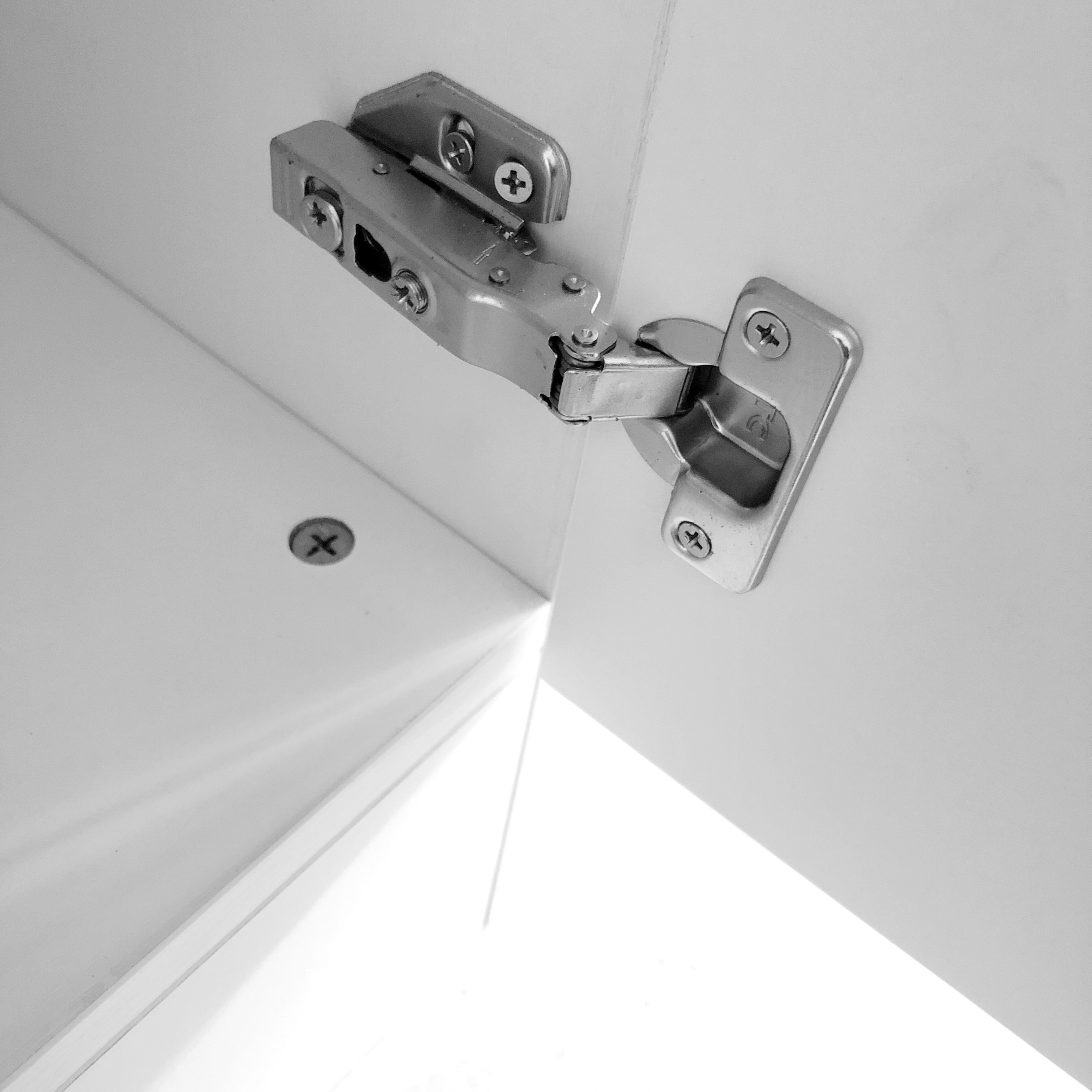
Sagging doors are usually the result of a single loose screw in the top hinge.
2. Quick Diagnosis
Figure out exactly why the door is acting up before grabbing your screwdriver:
- Check how it hangs: Is the top of the door drooping down? This points to a loose top hinge.
- Check the closure: Does the door bounce back open when you shut it? The hinge might be bent or the internal spring is broken.
- Look for gaps: Is there a large gap between the door edge and the cabinet frame when closed?
- Check the hardware: Open the door and physically grab the hinge. Can you wiggle the metal plate against the wood?
- Feel the wood: Are the screws spinning freely without catching? The wood is stripped.
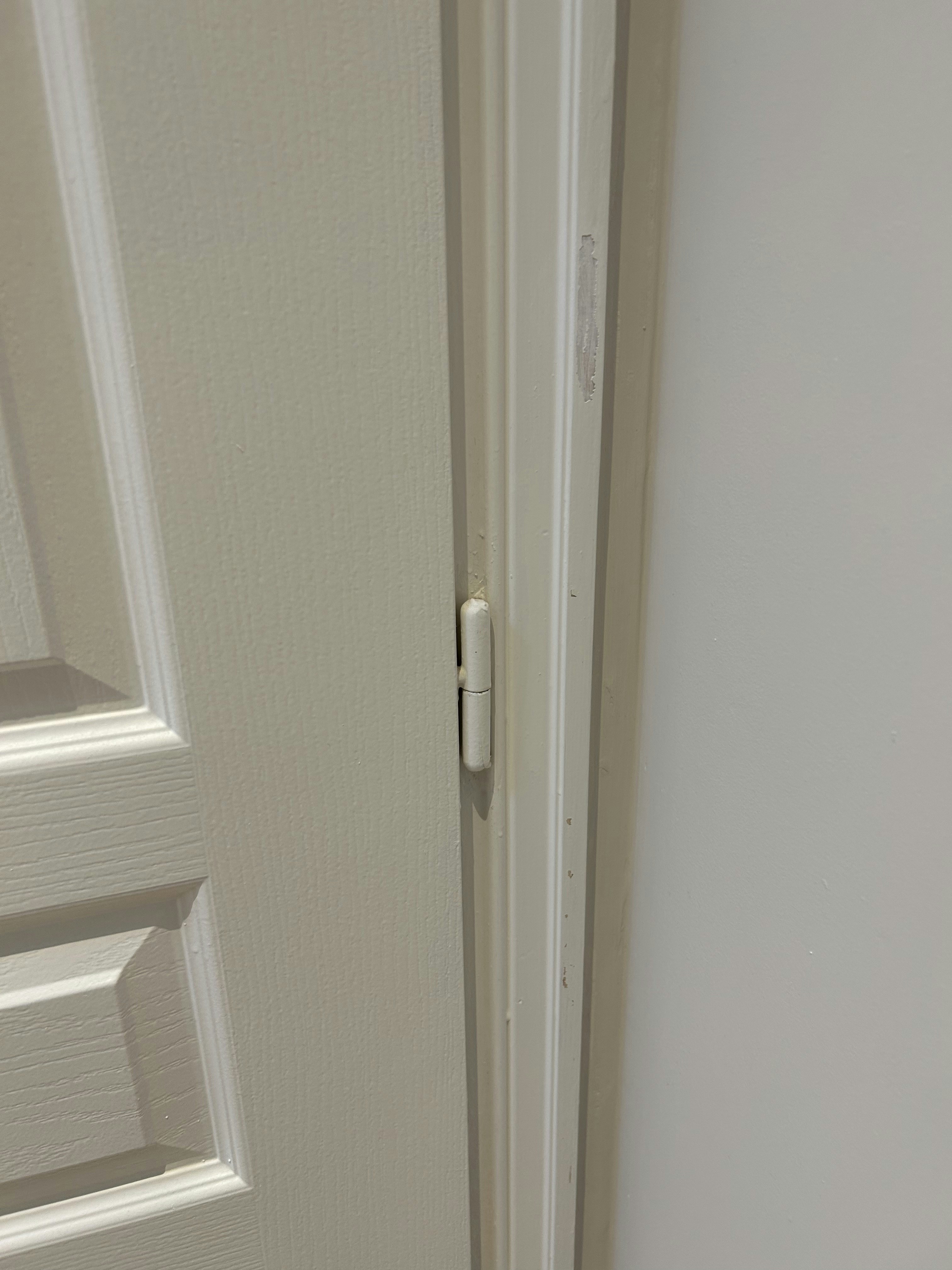
Modern “European” style hinges have built-in adjustment screws for perfect alignment.
3. Step-by-Step Fix
- Tighten loose mounting screws: The screws holding the hinge plate to the cabinet frame are the most likely culprit. Use a manual screwdriver (not a drill, which can easily strip the wood) to turn them clockwise until snug.
- Adjust door alignment (For Euro Hinges): Modern concealed hinges have adjustment screws. The screw closest to the door moves it left/right. The middle screw adjusts depth (in/out). Loosening the mounting plate screws allows you to move the door up/down. Tweak these slowly while closing the door repeatedly to test the gap.
- Fix stripped screw holes: If the screw just spins endlessly, remove the screw completely. Dip two or three wooden toothpicks into wood glue and stuff them into the stripped hole. Break off the ends flush with the wood. Let it dry for 10 minutes, then drive the screw back in. The toothpicks give the screw threads new wood to bite into.
- Check for bent or worn hinges: If the door is tight to the frame but still won’t shut, the hinge itself is permanently bent or the spring mechanism has failed. Mark the hinge location, remove the screws, and take the old hinge to the store.
- Replace the hinges: Install the new matching hinges using the existing screw holes. Ensure the door sits level before tightening completely.
- Check door weight: Very large or heavy doors (like pantry doors) often sag. You may need to install a third hinge in the middle to distribute the weight and prevent it from pulling the top screws out.
- Tighten the cabinet frame: Sometimes the door is fine, but the wooden cabinet box itself has become loose from the wall. Check the screws anchoring the cabinet box to the wall studs and tighten if necessary.
4. Troubleshooting
- Door still sags after tightening: The door might be too heavy for the current hinges. Upgrade to heavy-duty hinges or add a third center hinge.
- Doors are rubbing against each other: Use the left/right adjustment screw on the European hinge to pull the doors slightly further apart.
- Door closes too loudly: The little rubber bumper pads have worn off. Buy a cheap pack of silicone cabinet bumpers and stick them to the inside corners of the door.
- Toothpick trick failed: If the hole is massively wallowed out, drill it slightly larger, glue in a hardwood dowel, cut it flush, and drill a fresh pilot hole for your screw.
5. Prevention Tips
- Do not lean or push down on open cabinet doors.
- Check and gently tighten all cabinet hinge screws once a year during deep cleaning.
- Install soft-close dampers. These prevent the door from slamming violently, which vibrates screws loose over time.
- Always use a manual screwdriver, never a power drill, to avoid over-torquing and stripping the particleboard frames.
- Don’t hang heavy storage racks or spice racks on the inside of standard cabinet doors.
- Clean the hinges with a dry brush to prevent grease and dust buildup from stiffening the mechanism.
6. When to Call a Professional
- The particle board or MDF cabinet frame is severely cracked or water-damaged, providing no solid wood for screws to bite into.
- The doors are custom, solid hardwood and require routing out new hinge cup holes.
- You are upgrading an entire kitchen’s worth of old exposed hinges to modern concealed hinges, which requires precision measuring and drilling.
- The cabinet box is coming detached from the wall.
- Professional carpenter or handyman rates generally fall between £80 and £200 depending on the time needed. Review our repair cost guide for estimates.
7. FAQ
Q1: Why do cabinet doors become loose?
The repeated action of opening and slamming the door vibrates the mounting screws over time, slowly pulling them out of the soft wood.
Q2: How do I fix a stripped screw hole in a cabinet?
The cheapest and most effective fix is dipping wooden toothpicks or a golf tee in wood glue, stuffing the hole, breaking them off flush, and reusing the hole.
Q3: What do the different screws on a European hinge do?
Typically, the screw closest to the door moves the door side-to-side. The back screw adjusts the depth (in and out). Loosening the mounting plate allows up/down movement.
Q4: Why won’t my cabinet door stay closed?
The internal spring mechanism inside the hinge has likely snapped. The entire hinge unit must be replaced.
Q5: Can I upgrade old hinges to soft-close hinges?
Yes, if you currently have standard European concealed hinges, you can simply unscrew them and drop in soft-close versions of the exact same size.
Q6: How much does it cost to hire a pro to fix my cabinets?
A local handyman might charge £80-£100 for a short visit to realign a few doors. Re-hanging a whole kitchen will cost more.
Q7: Should I use a drill to tighten the screws?
Never. Kitchen cabinets are often made of MDF or particleboard, which strips incredibly easily under the high torque of a power drill. Use a manual screwdriver.
Q8: Can I paint my hinges?
It is not recommended. Paint will quickly flake off the moving joints and will gum up the internal mechanisms, causing the door to stick or squeak.