Slow Draining Sink? Quick Fixes to Speed Up Drainage
Updated for 2026 to reflect current UK emergency call-out pricing and insurance changes.
1. Introduction
Washing your hands in a sink that slowly fills with dirty, soapy water is unpleasant and unhygienic. Slow drains are an incredibly common issue, usually caused by a buildup of hair, toothpaste, cooking grease, or soap scum restricting the pipe. Fortunately, restoring your sink to full flow takes only 10 to 20 minutes and rarely requires harsh, pipe-damaging chemicals.
What you’ll need: A cup plunger, a plastic zip-it tool (or wire hanger), baking soda, white vinegar, and a bucket. If the clog is deep inside your home’s main plumbing lines, it’s time to call a professional.
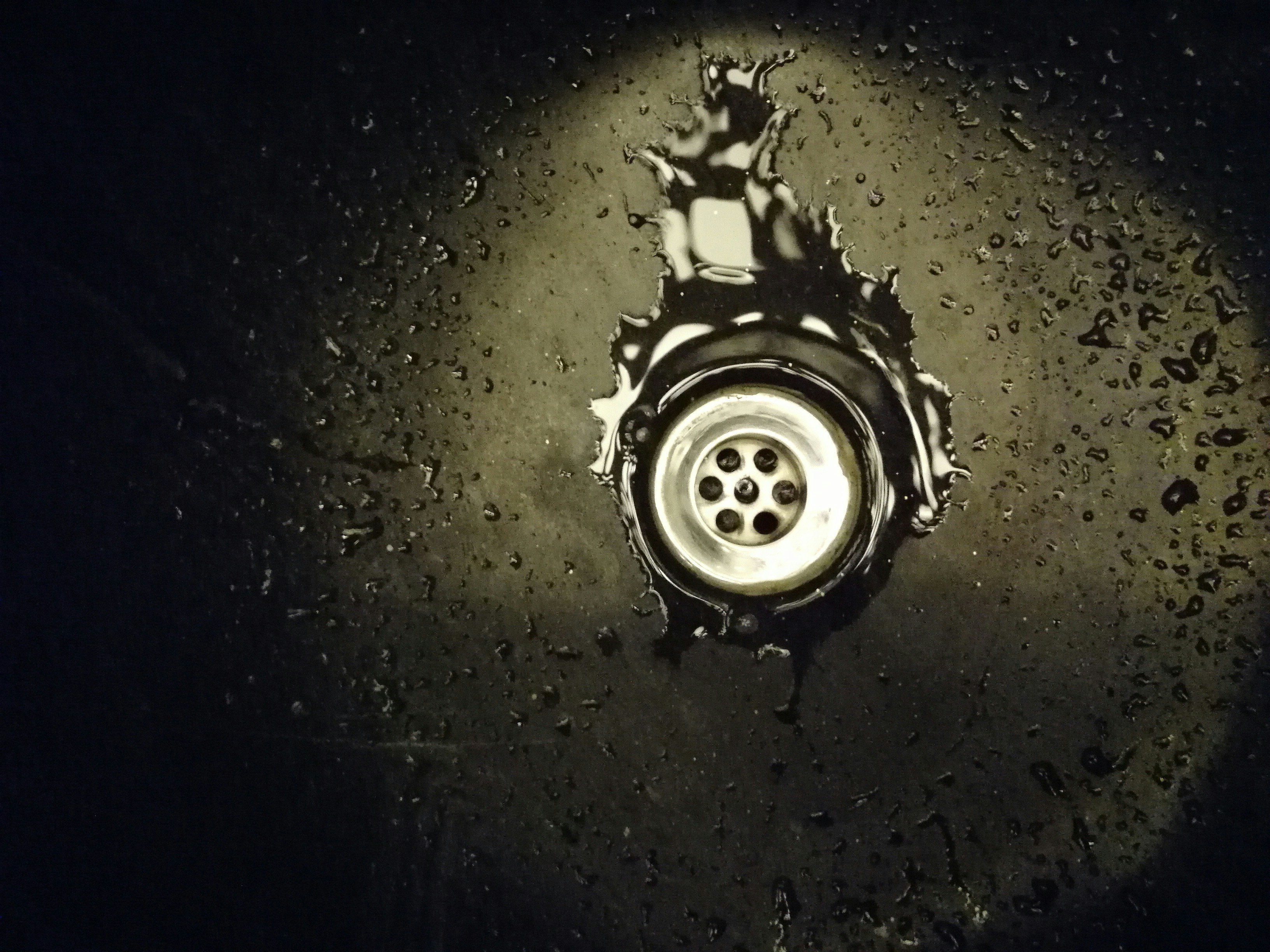
Standing water means a partial clog is slowly turning into a full blockage.
2. Quick Diagnosis
Figure out exactly what you’re dealing with before starting:
- Check the drain speed: Does the water drain very slowly right away, or does it only back up after the tap has been running for a minute?
- Look for visible debris: Shine a light down the pop-up stopper. Is it choked with hair?
- Check other drains: Turn on the shower. If that drains perfectly, your clog is isolated strictly to the sink’s P-trap.
- Smell for odors: A foul, rotting smell usually means a heavy biological buildup of hair and soap inside the pipe walls.
- Is it completely blocked? If the water doesn’t go down at all, do not pour chemicals into standing water—they will just sit there and damage your sink finish.
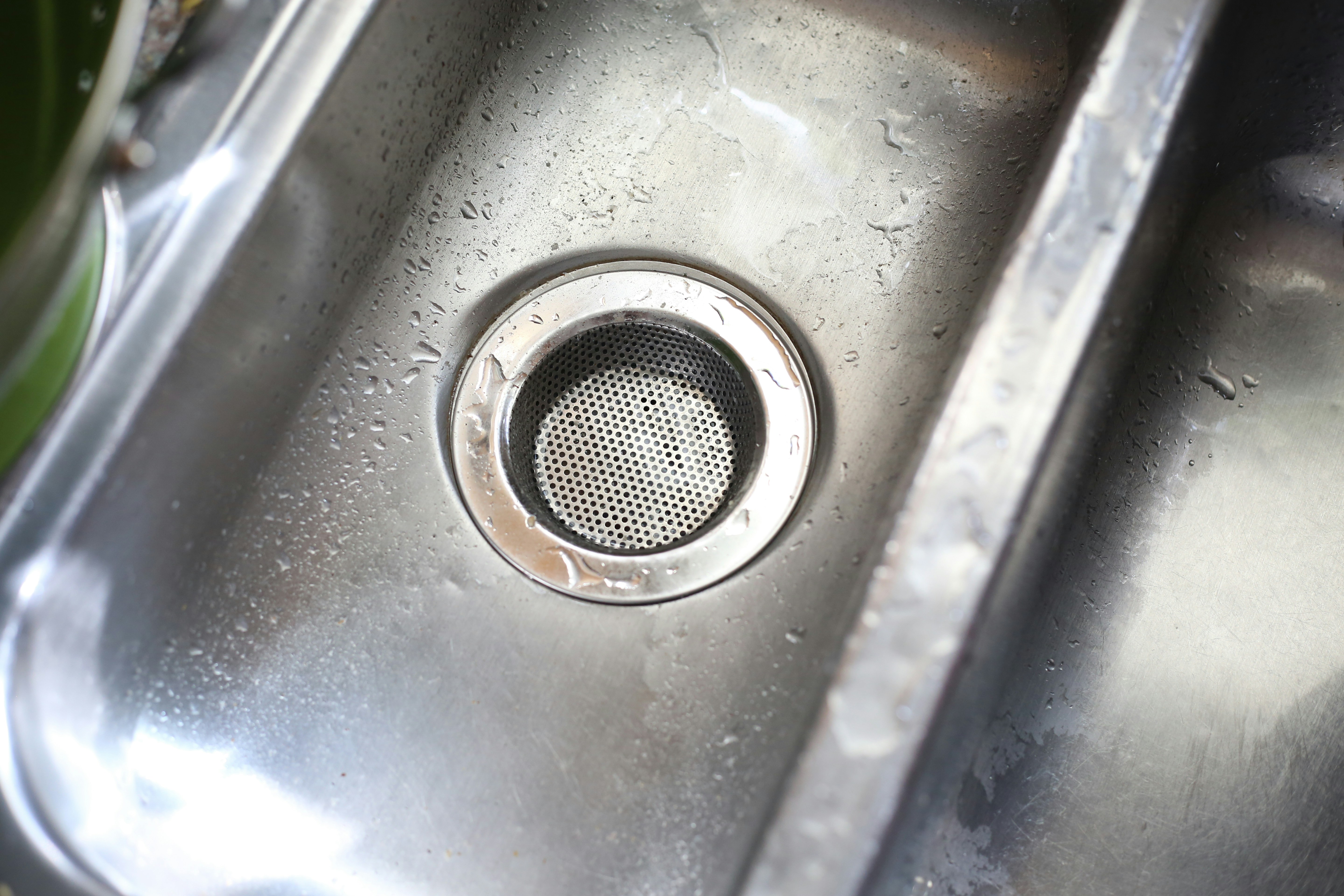
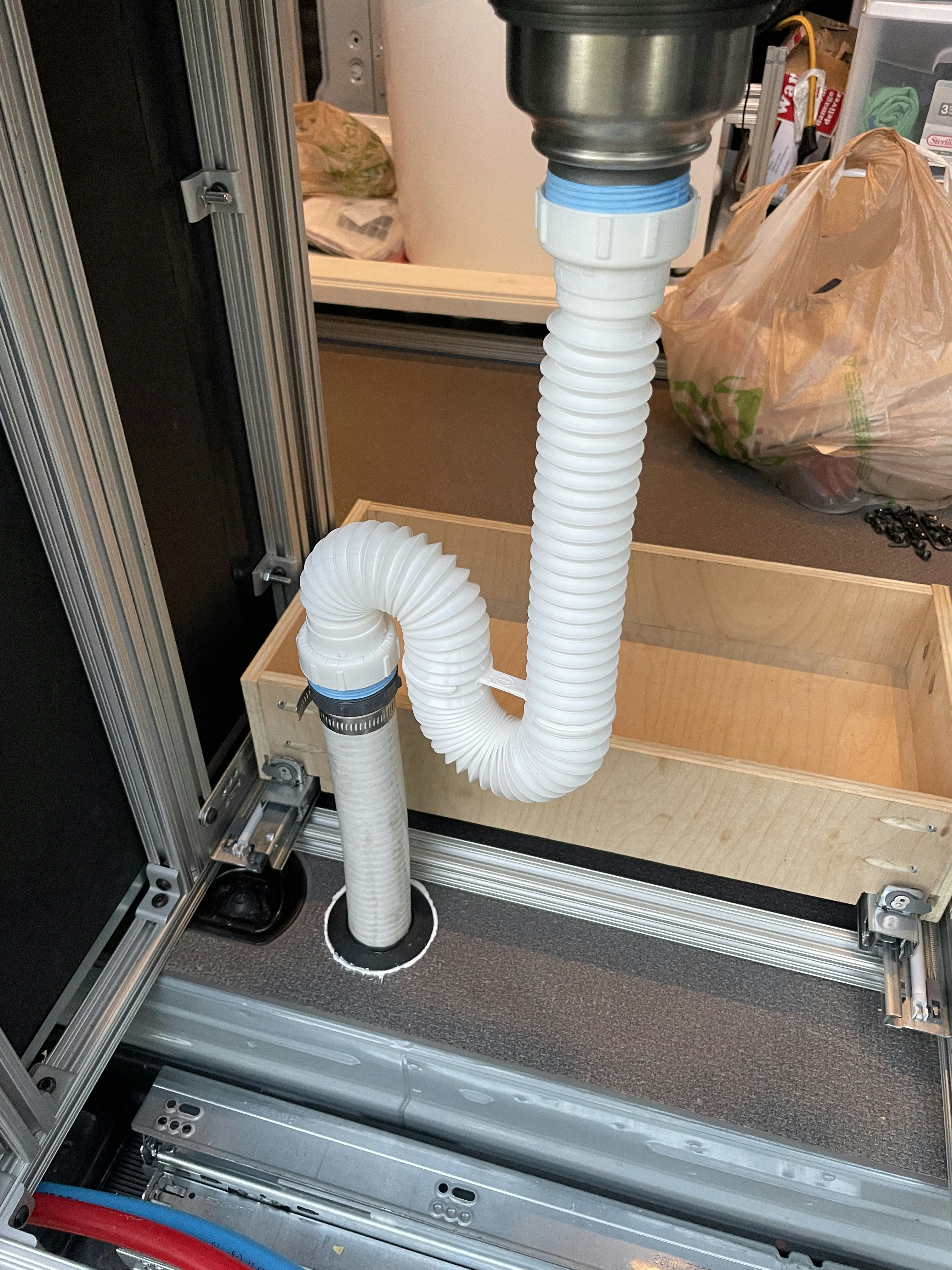
The curved P-trap beneath the sink is the most common location for blockages.
3. Step-by-Step Fix
- Remove visible debris: In bathroom sinks, hair tangles around the pop-up stopper mechanism. Remove the stopper (you may need to unscrew the nut holding the pivot rod under the sink). Use tweezers or needle-nose pliers to pull out the gunk.
- Use a cup plunger: Fill the sink with a few inches of water. Block the overflow hole near the rim with a wet rag (crucial for creating a vacuum). Place the cup plunger over the drain and pump vigorously 15-20 times.
- Try baking soda and vinegar: For grease and light soap scum, pour 1/2 cup of baking soda down the drain, followed immediately by 1/2 cup of white vinegar. Cover the drain hole to force the fizzing action downward. Wait 30 minutes.
- Pour boiling water: After the baking soda sits, carefully pour a full kettle of boiling water directly down the drain to melt and flush away the loosened soap buildup. (Note: Only do this on metal or PVC pipes; do not pour boiling water directly onto a cold porcelain sink basin to avoid cracking).
- Use a drain snake: If it’s still slow, use a cheap plastic barbed “zip-it” tool. Push it into the drain, twist, and pull it back up to snag deep hair clogs.
- Check the P-trap: Place a bucket directly under the curved pipe beneath the sink. By hand, unscrew the two slip nuts holding the P-trap. Remove the curved pipe, push out the clump of debris into the bucket, wash the pipe, and reassemble it.
- Use commercial cleaner (Last Resort): If you cannot remove the P-trap, use a chemical drain gel. Always wear gloves, do not mix it with other cleaners, and flush thoroughly with water afterward.
4. Troubleshooting
- Water leaks from P-trap after cleaning: The rubber slip-joint washers might be damaged or misaligned. Disassemble, ensure the washers are flat, and re-tighten.
- Plunging shoots water out the overflow: You must tightly seal the overflow hole near the top rim of the sink with your thumb or a wet rag, otherwise the plunging force just escapes there.
- Sink is slow, but P-trap is clear: The clog has moved deeper into the wall pipe. You will need a metal plumber’s snake (auger) to reach 5 to 10 feet down the line.
- Chemicals didn’t work: Liquid cleaners flow right past solid physical obstructions like hair ties, bottle caps, or massive hair wads. Physical removal is required.
5. Prevention Tips
- Buy a cheap mesh strainer and place it over your bathroom and kitchen drains to catch hair and food particles.
- Never pour cooking grease, fat, or oil down the kitchen sink. It solidifies like concrete in cold pipes.
- Run hot water for 15 seconds after brushing your teeth or washing your face to flush debris fully out of the P-trap.
- Treat your drains monthly with a natural enzyme maintainer or a baking soda/vinegar flush to prevent buildup.
- Wipe excess grease off pans with a paper towel before washing them.
- Pull up the pop-up stopper and clean it off once a month before a massive clog can form.
6. When to Call a Professional
- You have cleaned the P-trap, but the water still won’t drain, indicating a deep main line blockage.
- Multiple sinks or toilets in the house are backing up simultaneously.
- You hear gurgling sounds from the sink when the toilet is flushed (a blocked vent stack issue).
- The metal pipes under your sink are heavily corroded and crack when you try to loosen the slip nuts.
- Professional drain unblocking typically costs between £100 and £250+. Read our blocked drain cost guide for details.
7. FAQ
Q1: What is the fastest way to fix a slow draining sink?
The fastest method is physically removing the blockage using a plastic zip-it tool down the drain, or unscrewing the P-trap to dump the blockage into a bucket.
Q2: Why shouldn’t I just use liquid drain cleaner?
Frequent use of caustic chemicals generates heat that can warp PVC pipes and corrode older metal pipes. Physical removal is much safer for your plumbing.
Q3: Does baking soda and vinegar actually unclog drains?
It won’t dissolve a massive hair clog, but the fizzing reaction is excellent at breaking up mild soap scum and greasy slime sticking to the pipe walls.
Q4: How do I remove the bathroom sink stopper?
Look under the sink for a horizontal metal rod extending from the back of the drain pipe. Unscrew the plastic nut holding it, pull the rod back slightly, and lift the stopper out from above.
Q5: What is a P-trap for?
The U-shaped curve holds a small amount of water at all times to prevent foul sewer gases from wafting up into your bathroom.
Q6: How much does a plumber cost for a slow drain?
A standard local blockage clearance usually falls between £100 and £150, but severe main line jetting can cost more.
Q7: Why does my sink smell like rotten eggs?
A slow drain allows bacteria to feed on decaying hair and soap inside the pipe. Cleaning the P-trap will instantly remove the odor.
Q8: Can I use a toilet plunger on the sink?
You should ideally use a flat cup plunger meant for sinks. Toilet plungers have a flange that prevents a tight seal on a flat sink basin, and using them transfers bacteria to your sink.