Drafty Windows? Quick Fixes to Stop Cold Air Leaks
Updated for 2026 to reflect current UK emergency call-out pricing and insurance changes.
1. Introduction
Drafty windows are a common annoyance that make your home feel freezing cold and cause your winter heating bills to skyrocket. Drafts are usually caused by degraded weatherstripping, cracked exterior caulk, or warped window frames. You don’t always need to buy brand new double-glazing; most drafts can be sealed up using simple DIY methods that take 15 to 30 minutes per window.
What you’ll need: A caulking gun and silicone caulk, self-adhesive foam weatherstripping, a putty knife, and potentially window insulation film. If the wooden frame itself is completely rotted out, you will need a professional replacement.

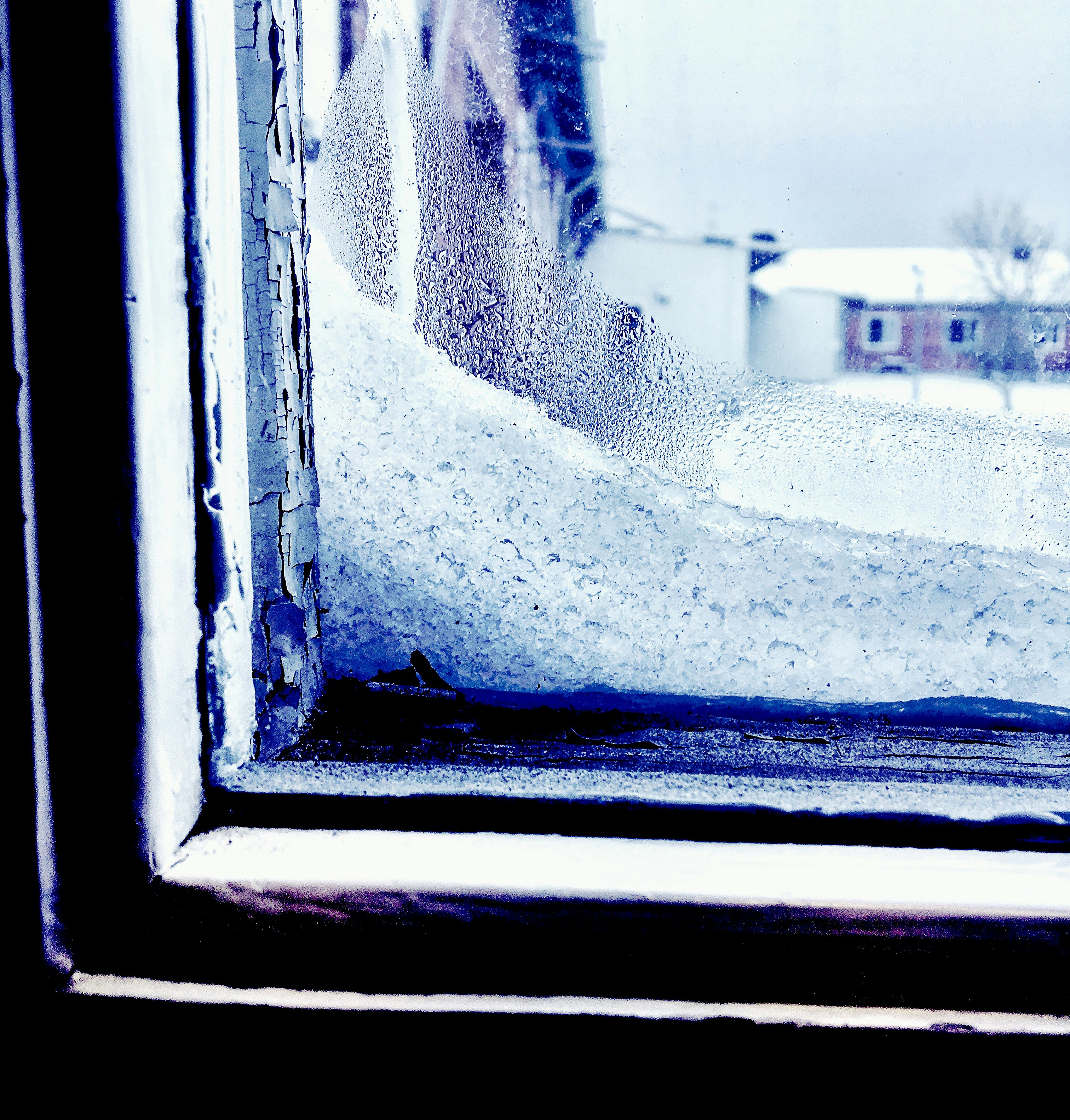
Frost buildup on the inside of the glass is a clear sign of severe air leaks.
2. Quick Diagnosis
Locate the exact source of the draft before buying materials:
- Feel for cold air: Run your hand slowly around the perimeter of the window frame on a cold, windy day.
- Use the candle test: Hold a lit incense stick or candle near the window seams. If the smoke blows horizontally, you’ve found the leak.
- Check for visible gaps: Look closely at where the window sashes meet and where the frame meets the drywall.
- Look for damaged weatherstripping: Open the window and inspect the rubber or foam tracks. Are they brittle, flattened, or peeling off?
- Check the exterior caulk: Go outside and look at the sealant where the window meets the brick or siding. Is it cracked or missing?
Checking the tracks for degraded rubber seals is the first step in diagnosing a draft.
3. Step-by-Step Fix
- Check existing weatherstripping: Open the window completely. Look at the foam or rubber strips lining the inside of the frame. If it is cracked, missing, or permanently compressed, it needs replacement. Use a putty knife or scraper to peel off all the old material and glue.
- Replace the weatherstripping: Clean the frame thoroughly with rubbing alcohol and let it dry. Cut a new strip of self-adhesive foam or V-strip weatherstripping to size. Peel off the backing and press it firmly into the track where the window sash closes. Test by closing and locking the window.
- Caulk interior gaps: Look for gaps between the window trim and your interior wall. Load a tube of paintable acrylic-latex caulk into a caulking gun. Squeeze a thin bead into the gap and smooth it instantly with a wet finger.
- Replace cracked exterior caulk: If the draft is coming from the outside, you must remove the old, cracked exterior caulk. Apply a high-quality exterior-grade silicone sealant to the joint between the window casing and the exterior wall.
- Install window film (Temporary Winter Fix): If the glass itself is single-pane and radiating cold, buy a shrink-film window insulation kit. Apply the double-sided tape to the frame, stretch the plastic film across it, and use a hairdryer to shrink the film tight. This creates a highly effective dead-air barrier.
- Use draft stoppers: For an immediate, quick fix on a badly drafting bottom sash, place a heavy fabric draft stopper (a “snake”) along the bottom ledge to block the cold air from rolling onto the floor.
- Check window locks and operation: Make sure the window is actually closing all the way. Sometimes locking the window firmly pulls the sashes tightly together, sealing the draft automatically.


4. Troubleshooting
- Window won’t close after new weatherstripping: You used foam that is too thick. Remove it and buy a thinner profile, such as a 1/8-inch strip, so the locking mechanism can still engage.
- Caulk keeps cracking: Ensure you are using high-flexibility silicone for exteriors. If the house is settling, rigid caulk will split open repeatedly.
- Draft comes straight through the glass: Single-pane glass offers almost zero insulation. Your only options are shrink film, heavy thermal curtains, or upgrading to double glazing.
- Draft from the sash pulleys: Older wooden windows have weight pockets. You can buy specialized rope-pulley draft sealers or temporarily stuff them with foam if you don’t open the windows in winter.
5. Prevention Tips
- Inspect your exterior window caulking every autumn before the freezing weather hits.
- Clean the window tracks regularly so dirt doesn’t prevent the window from closing completely tight.
- Re-paint wooden window frames every 3 to 5 years to protect the wood from moisture and rot.
- Hang heavy thermal or blackout curtains in the winter to trap cold air against the glass.
- Keep the weep holes on the outside of vinyl windows clear of dirt so water drains properly instead of freezing inside the frame.
- Lock your windows when closed; the locking action actively pulls the weatherstripping tight.
6. When to Call a Professional
- The wooden window frame is soft, spongy, and rotting away from the wall.
- You have double-pane glass, but it is constantly foggy inside (the argon gas seal has failed, requiring a replacement unit).
- The draft is coming from structural gaps behind the drywall, indicating poor initial installation.
- You are located on a second or third story and cannot safely reach the exterior to replace the caulking.
- Professional window repairs usually cost between £150 and £400+. For major issues, replacing the window entirely may be necessary. Check our repair cost guide.
7. FAQ
Q1: What causes windows to become drafty?
The most common causes are worn-out weatherstripping, cracked exterior caulking, and natural shifting or warping of the home’s framing over time.
Q2: Does shrink film really work?
Yes, shrink film creates an airtight pocket of dead air between the room and the cold glass, effectively acting like a temporary double-glazing pane.
Q3: What type of caulk should I use?
Use 100% silicone for the exterior (it is waterproof and flexible) and paintable acrylic-latex caulk for the interior trim.
Q4: How long does weatherstripping last?
Adhesive foam stripping typically lasts 2 to 4 years before it compresses and loses its spring. V-strip or metal tension strips can last over 10 years.
Q5: Can I just tape the window shut?
You can use clear weather-sealing tape over the cracks as an emergency fix, but it will leave a sticky residue and looks unsightly.
Q6: Should I repair or replace my drafty windows?
If the frames are structurally sound, caulking and weatherstripping are highly cost-effective. If the wood is rotting or you only have single-pane glass, replacement is better.
Q7: How much does professional window repair cost?
Minor fixes by a handyman run around £150, but replacing failed glass units or rotted sills can quickly reach £300-£400+.
Q8: Will fixing drafts lower my heating bill?
Absolutely. Drafty windows and doors account for up to 30% of a home’s heat loss. Sealing them is one of the best ROI projects you can do.