Clogged Toilet? Quick Fixes to Get It Flowing Again
Updated for 2026 to reflect current UK emergency call-out pricing and insurance changes.
1. Introduction
A clogged toilet is one of the most dreaded household emergencies. However, they are incredibly common and usually caused by flushing too much toilet paper, flushing non-flushable wipes, or foreign objects accidentally falling into the bowl. Most toilet clogs are located in the curved trap right inside the porcelain bowl and can be fixed in 10 to 20 minutes.
What you’ll need: A flange plunger (not a flat cup plunger), a bucket, dish soap, rubber gloves, and possibly a toilet drain snake (closet auger). If the clog is deep in the main sewer line, you will need to call a professional plumber.

Don’t panic—most toilet clogs can be resolved with a plunger and proper technique.
2. Quick Diagnosis
Assess the situation before you act to avoid making a mess:
- Check water level: Is the water backing up dangerously close to the rim? Do not flush again!
- Check drain speed: Does the water drain very slowly, or is it completely stopped?
- Look for visible blockage: Can you see a toy, a toothbrush, or a massive wad of paper stuck at the bottom?
- Check other drains: Turn on the sink or shower. If water bubbles up in the toilet, your main sewer line is blocked.
- Smell for odors: A strong sewage smell indicates a total blockage preventing sewer gases from venting properly.
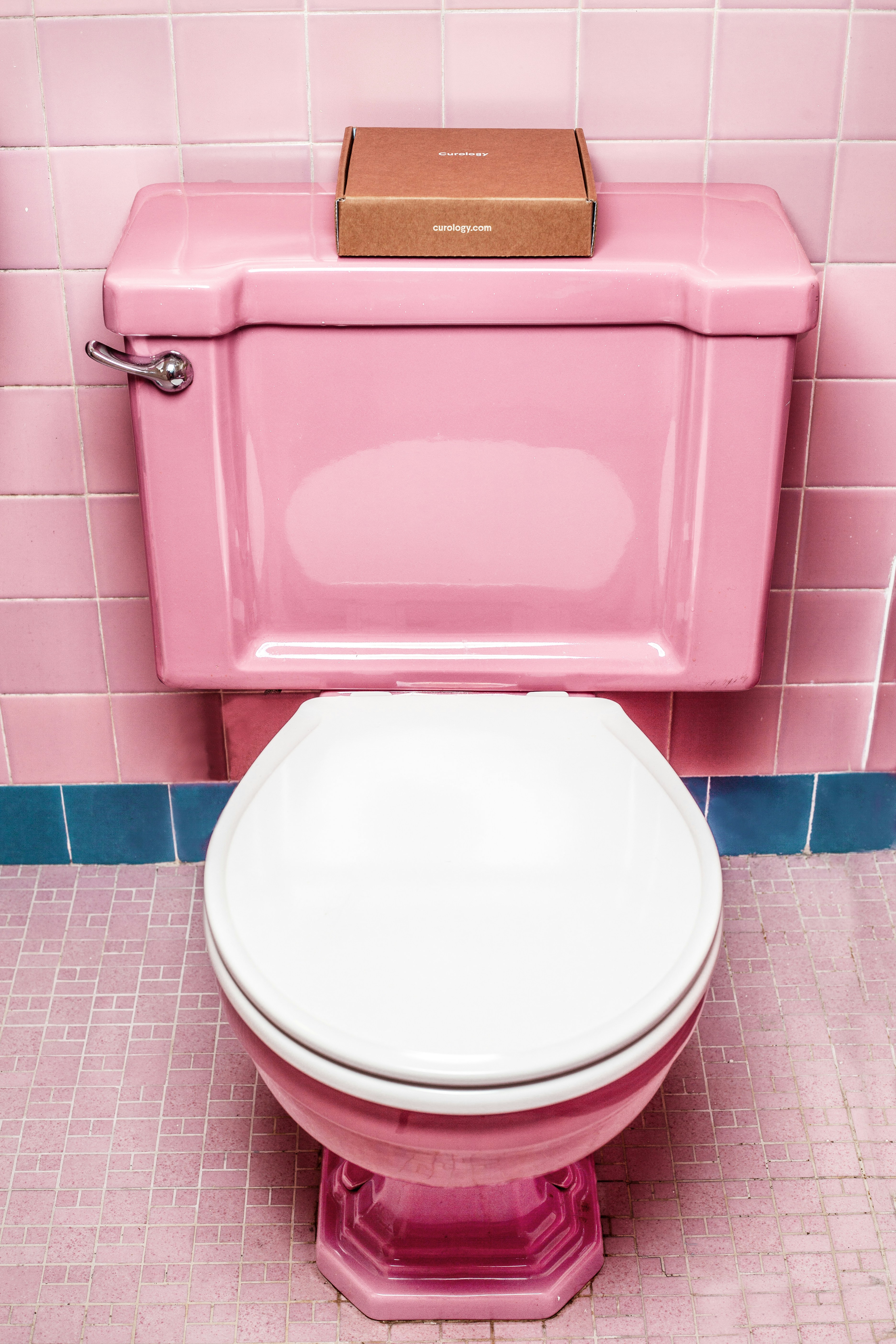
Assess the water level before attempting to plunge to prevent overflows.
3. Step-by-Step Fix
- Use a plunger correctly: Ensure the toilet bowl has enough water to cover the plunger head. Use a flange plunger (with a rubber flap extending from the bottom). Place it securely over the drain hole and push/pull vigorously 15-20 times. Break the seal to check if the water drains.
- Try the hot water trick: If plunging fails, heat a gallon of water on the stove (hot, but not boiling, as boiling water can crack the porcelain). Carefully pour it from waist height into the bowl. The heat and pressure help dissolve paper waste. Wait 5 minutes and try plunging again.
- Use a drain snake (Closet Auger): If there is a hard blockage, insert the end of a toilet snake into the drain. Push down while twisting the handle. Once you feel resistance, twist to hook the blockage and pull it back up, or break it apart.
- Try dish soap: Squirt 1/4 cup of liquid dish soap into the bowl. Follow it with hot water. The soap acts as a lubricant to help slide the stuck mass through the S-trap. Wait 20 minutes before attempting to flush or plunge.
- Use a commercial drain cleaner: Only as a last resort. Use a cleaner specifically marked safe for toilets. Follow all instructions, wear gloves and eye protection, never mix chemicals, and ventilate the bathroom.
- Check for foreign objects manually: Put on long rubber gloves. Reach into the trap to see if a hard plastic object (like a toy or deodorant stick) is lodged right at the entrance. Remove it manually.
- Turn off the water if needed: If the bowl is about to overflow during your attempts, locate the silver isolation valve on the wall behind the toilet. Turn it clockwise until tight to stop the water flow.
4. Troubleshooting
- Toilet overflows when plunging: Remove half the water with a small bucket or cup before plunging to prevent splashing over the rim.
- Plunger isn’t working: You are likely using a flat cup sink plunger, which cannot form a vacuum seal in the curved toilet drain. Buy a flange plunger.
- Water bubbles up in the bathtub: The clog has passed the toilet and is now blocking the main sewer line for the entire bathroom. You must call a plumber.
- The bowl empties but fills back up slowly: The vent stack on your roof might be blocked by leaves or a bird’s nest, preventing air from flowing into the plumbing system.
5. Prevention Tips
- Only ever flush human waste and standard toilet paper.
- Never flush “flushable” wet wipes, paper towels, feminine hygiene products, or cotton swabs. They do not break down in water.
- Teach children not to put toys or massive amounts of paper into the toilet.
- Close the toilet lid when not in use to prevent items from accidentally falling off the counter into the bowl.
- Keep the plumbing clear by doing a routine flush with hot water and a dash of dish soap once a month.
- Upgrade to a modern, powerful flushing toilet if your older model clogs constantly.
6. When to Call a Professional
- Water is actively overflowing onto the floor and the shut-off valve is broken.
- You have tried plunging, snaking, and soap, but the blockage will not move.
- Sewage is backing up into your bathtub or shower drain.
- A hard object is stuck so deep you cannot retrieve it with an auger (the toilet may need to be unbolted from the floor).
- Emergency drain unblocking typically costs between £100 and £250+. See our plumber call-out guide for details.
7. FAQ
Q1: What is the best way to unclog a toilet?
The most effective method is using a flange plunger with vigorous push-and-pull motions to create a strong vacuum, followed by a closet auger if needed.
Q2: Will a clogged toilet eventually unclog itself?
If the clog is exclusively organic waste and toilet paper, it may slowly break down over several hours. However, synthetic materials or hard objects will never dissolve.
Q3: Why shouldn’t I use boiling water?
Pouring rapidly boiling water into a cold porcelain toilet bowl can cause thermal shock, cracking the toilet completely and causing a massive flood.
Q4: What are “flushable” wipes?
It’s a marketing term. These wipes do not dissolve like toilet paper. They snag on pipe imperfections and cause massive clogs. Never flush them.
Q5: How do I know if the clog is in the main line?
If running the bathroom sink or shower causes water to bubble up in the toilet, your main sewer branch is blocked.
Q6: Can bleach unclog a toilet?
No, bleach is a disinfectant. It will not dissolve paper or waste blockages. Stick to plunging or a proper drain snake.
Q7: How much does a plumber charge to unclog a toilet?
Depending on the time of day and the location of the clog, you can expect to pay between £100 and £250 in the UK.
Q8: Is it safe to use chemical drain cleaners in a toilet?
It’s generally discouraged. Chemicals heat up and can damage the porcelain or melt the wax ring seal at the base of the toilet.