Stuck Window? Quick Fixes to Get It Open Again
Updated for 2026 to reflect current UK emergency call-out pricing and insurance changes.
1. Introduction
Struggling to force open a jammed window isn’t just frustrating; forcing it too hard can result in shattered glass or a broken frame. Windows typically stick due to dried paint sealing the edges, a buildup of dirt and grime in the tracks, or wooden frames swelling from seasonal humidity. Most stuck windows can be freed gently in 10 to 20 minutes.
What you’ll need: A putty knife (or pizza cutter), a flathead screwdriver, silicone-based lubricant, and a rag. If the wooden frame is severely rotted, you will need a professional glazier or carpenter.
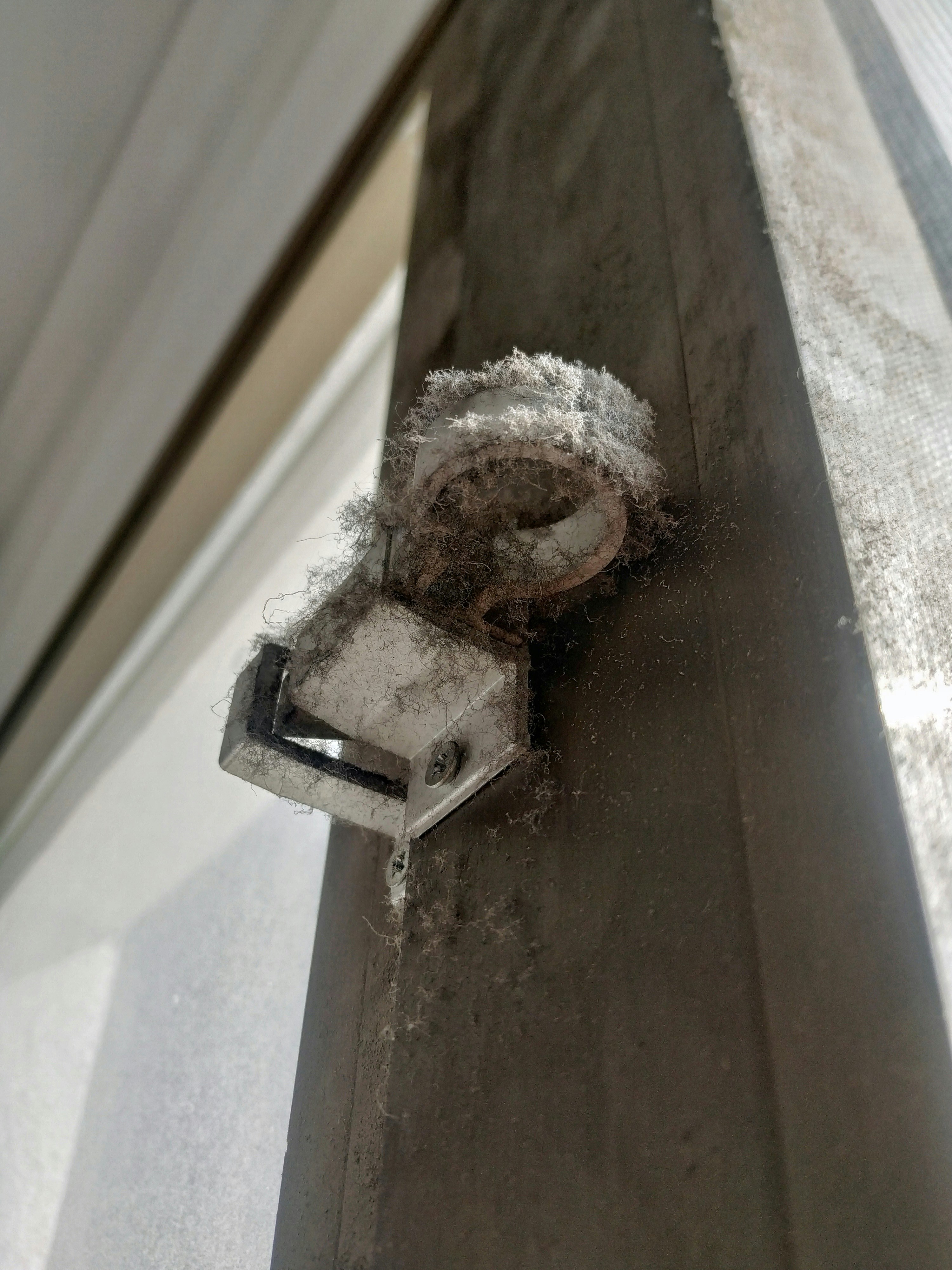
Never force a stuck window too aggressively to avoid breaking the glass.
2. Quick Diagnosis
Identify what kind of jam you’re dealing with:
- Try opening gently: Does it wiggle slightly but feel caught, or is it completely cemented in place?
- Check if painted shut: Look closely at the seam where the window sash meets the frame. Is there a continuous bridge of dried paint?
- Look for dirt/debris: On sliding vinyl/aluminum windows, check the bottom track for dead bugs, sand, and pet hair.
- Check for swelling: If it’s a wooden window and it has been raining or very humid, the wood may have swelled tightly against the frame.
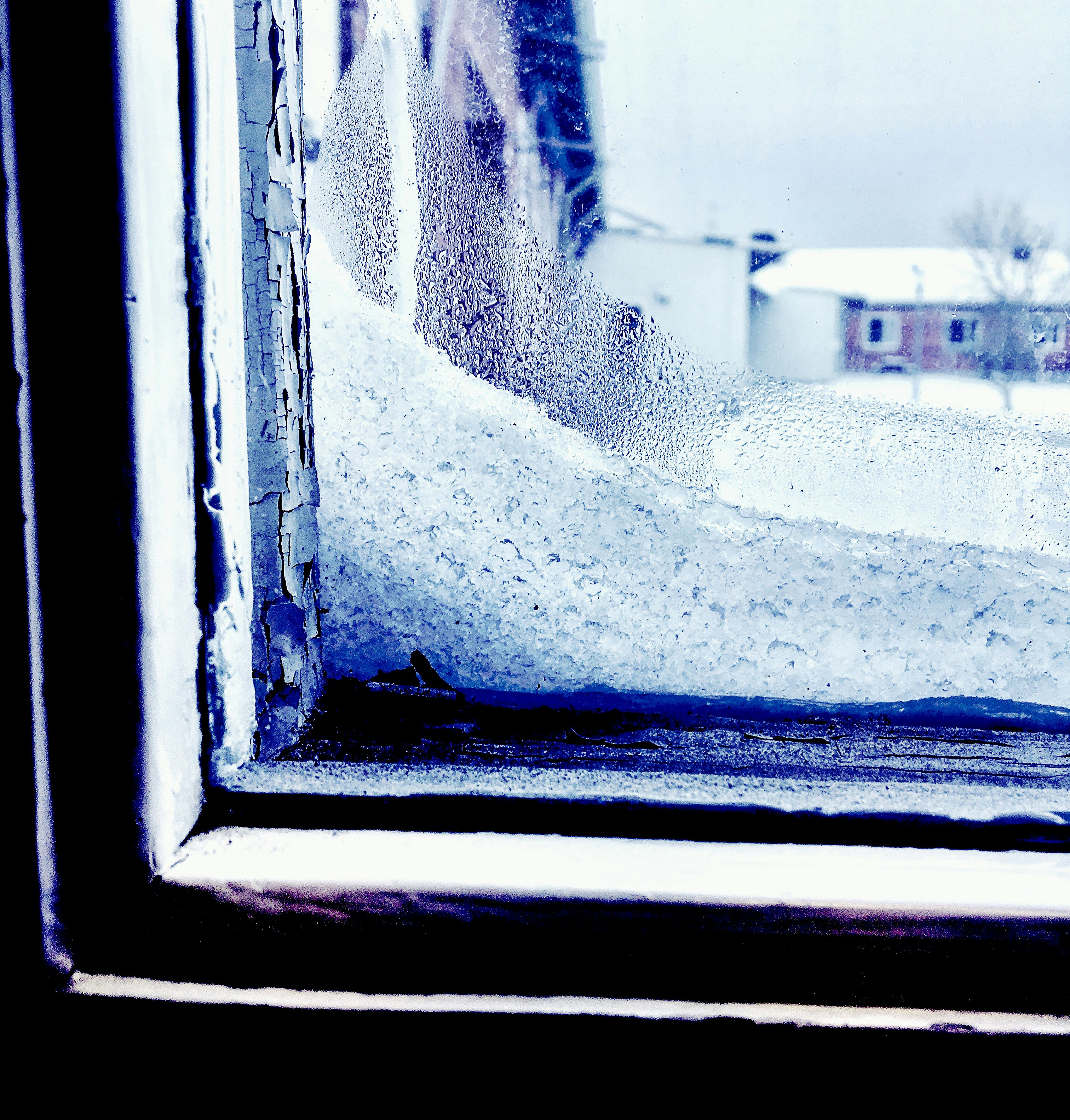
Debris trapped in the lower tracks is the number one cause of stuck sliding windows.
3. Step-by-Step Fix
- Break the paint seal (for painted wooden windows): Take a stiff putty knife or a pizza cutter. Carefully wedge the blade into the seam between the window sash and the frame. Run it all the way around the perimeter of the window to slice through the dried paint.
- Clean the window tracks (for sliding/vinyl windows): Use a vacuum attachment to suck up loose dirt in the bottom track. Wrap a rag around the tip of a flathead screwdriver and dig out any compacted mud or dead insects from the corners.
- Lubricate the tracks: Once clean, spray a silicone-based lubricant lightly into the side and bottom tracks. Do not use WD-40, as oil-based sprays attract dirt and create a sticky sludge. For wooden windows, rub an unlit candle (paraffin wax) along the side jambs.
- Apply heat to expand the frame: If the window feels frozen in place, use a hairdryer on a medium setting. Run it around the perimeter of the frame for a few minutes. The heat helps break down old paint and sap.
- Tap the frame gently: Place a block of wood against the window sash frame (never the glass). Gently tap the block of wood with a hammer around the perimeter to jar loose any internal friction holding it tight.
- Leverage it open: Place your hands firmly on the lower frame and push upward (or sideways for sliding windows) with steady, even pressure.
- Check for damage: Once open, inspect the wood for soft, spongy rot. Check that the weatherstripping isn’t torn and jamming the sliding mechanism.

4. Troubleshooting
- Window opens partially then sticks: The track is likely bent or a screw from the frame has backed out and is blocking the slider. Inspect the track visually.
- Soft, spongy wood frames: The wood is suffering from dry rot. The window may eventually fall out of the frame. This requires professional carpentry repair.
- Window opens but won’t stay up: On vertical sliding windows, the internal sash cords or balance springs have snapped. The window must be dismantled to replace them.
5. Prevention Tips
- Clean the bottom tracks of sliding windows at least once a month.
- Lubricate the tracks with dry silicone spray quarterly.
- Never paint the edges or tracks of wooden windows.
- Open every window in your house periodically, even in winter, to prevent them from seizing up.
- Maintain exterior caulking and weatherstripping to prevent water from rotting the wooden frames.
6. When to Call a Professional
If the wood is rotted, the glass is cracked, or the internal balancing springs have snapped, you need to call a professional window repair company. If it is a modern UPVC double-glazed window and the internal locking mechanism is jammed, forcing it will destroy the multi-point lock. Professional window repairs generally cost between £150 and £400+, depending on whether you need a new glass pane or mechanism. Review our window repair cost guide for details.
7. FAQ
Q1: Why is my window stuck?
Most commonly, it has been painted shut, the tracks are filled with debris, or high humidity has caused the wooden frame to swell.
Q2: Is it safe to force a stuck window?
No. Pushing too hard can break the glass, leading to severe cuts. Always work to loosen the friction first using putty knives and lubricant.
Q3: How do I clean dirty window tracks?
Vacuum out loose debris, then use an old toothbrush, a rag, and mild soapy water to dig out the compacted dirt in the corners.
Q4: What is the best lubricant for window tracks?
Silicone-based spray or dry Teflon spray. Never use WD-40 or grease, as they attract dust and trap bugs.
Q5: How do I open a window that is painted shut?
Score the entire perimeter of the window where it meets the frame using a stiff putty knife or box cutter to break the paint bridge.
Q6: How much does professional window repair cost?
Replacing a broken locking mechanism or repairing a rotten frame usually costs between £150 and £400.
Q7: Should I repair or replace my old window?
If it’s a single-pane wooden window suffering from rot, upgrading to double-glazed UPVC will save you money on heating in the long run.
Q8: Can I prevent my windows from sticking?
Yes, open them regularly, keep the tracks spotless, and reapply dry silicone spray a few times a year.