Clogged Shower Drain? Quick Fixes Without Calling a Plumber
Updated for 2026 to reflect current UK emergency call-out pricing and insurance changes.
1. Introduction
Standing in a pool of murky water while you try to shower is incredibly frustrating. A clogged shower drain is one of the most common household plumbing issues, usually caused by an accumulation of hair, hardened soap scum, and mineral debris. The good news is that most shower clogs can be cleared without calling an expensive plumber. Typical fixes take just 15 to 30 minutes.
What you’ll need: A basic cup plunger, a plastic drain snake (or wire coat hanger), baking soda, white vinegar, and rubber gloves. If the water is backing up into other fixtures, or these DIY methods fail, it’s time to call a professional.
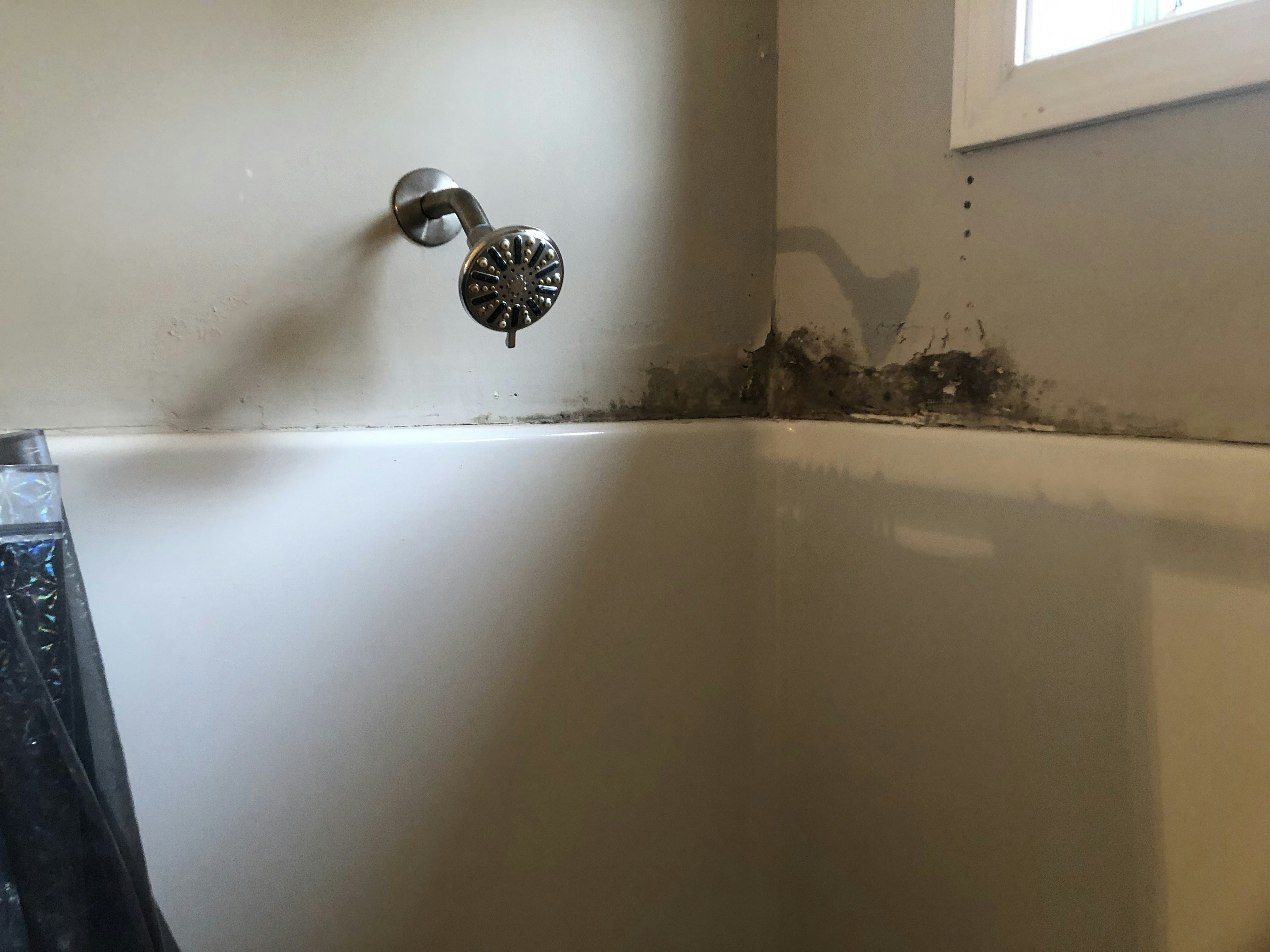
Standing water in your shower means a blockage is preventing proper drainage.
2. Quick Diagnosis
Before diving in, assess the severity of the clog to determine your best approach:
- Check drainage speed: Does the water drain slowly over an hour, or does it not drain at all?
- Look for visible debris: Shine a flashlight down the drain grate to see if hair is clumped near the top.
- Check other drains: Are your bathroom sink and toilet functioning properly? If they are backing up too, you have a main line clog.
- Smell for odors: A foul, rotting smell usually indicates a severe buildup of biological matter and soap scum.
- Feel water temperature: Hot water sometimes temporarily dissolves soap scum, indicating a grease/soap clog rather than a hard physical blockage.
Many clogs sit right beneath the surface grate and can be removed manually.
3. Step-by-Step Fix
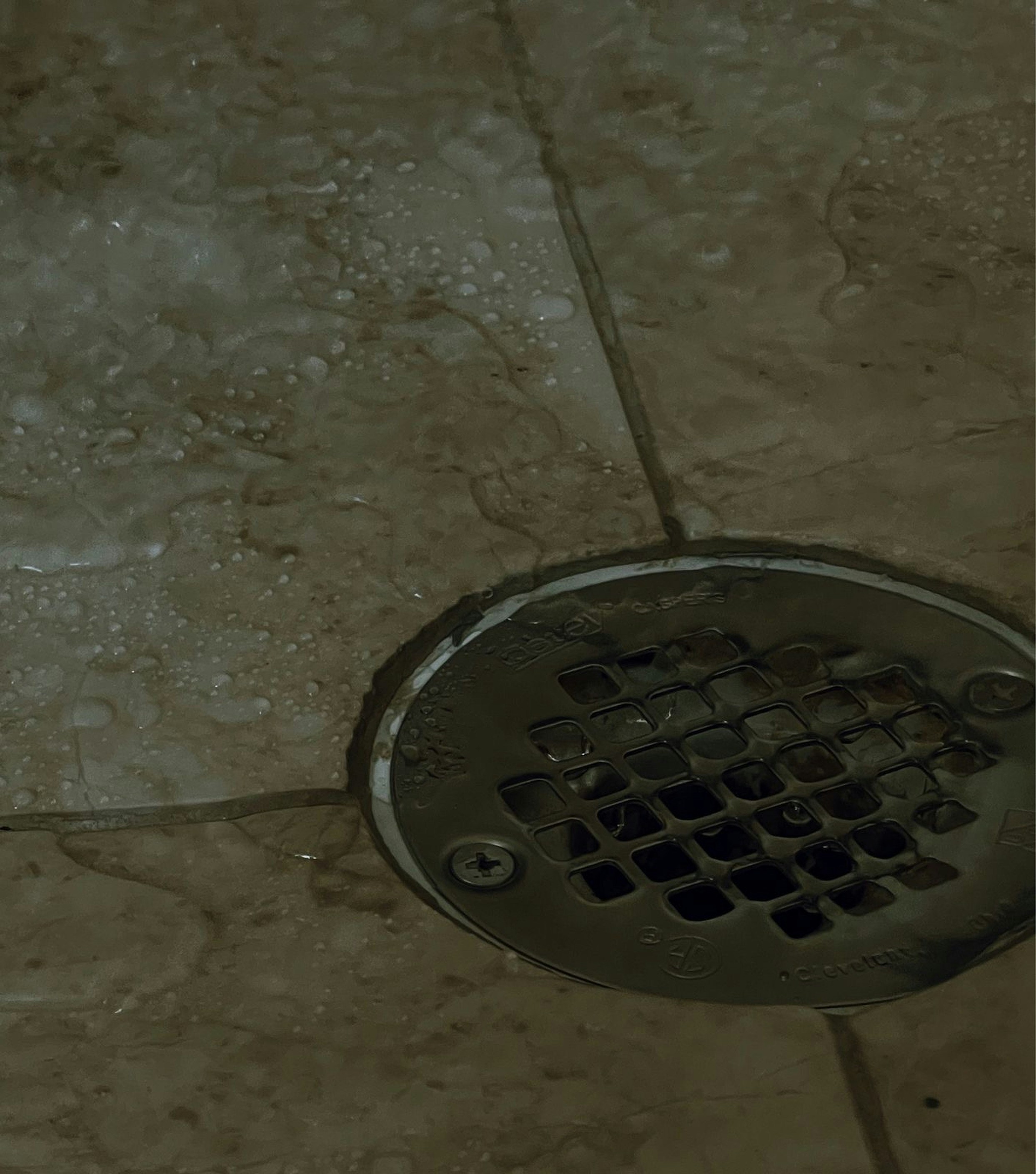
- Remove visible debris: Put on rubber gloves. Unscrew or pop off the shower drain cover. Use your fingers or a pair of needle-nose pliers to pull out any visible hair and gunk sitting near the top.
- Use a plunger: If there is standing water, place a cup-style plunger over the drain, ensuring a tight seal. Plunge vigorously up and down for about 30 seconds to force the blockage through.
- Try baking soda and vinegar: Pour half a cup of baking soda directly down the drain, followed by half a cup of white vinegar. Cover the drain with a wet rag to force the fizzing chemical reaction downward into the clog. Wait 15 minutes.
- Flush with boiling water: After the baking soda and vinegar have worked, carefully pour a kettle of boiling water straight down the drain to flush out the dissolved soap scum and debris.
- Use a drain snake: If the clog persists, use a cheap plastic drain snake (or a straightened wire coat hanger with a tiny hook at the end). Push it down the drain, twist it around to catch the hair clog, and pull it back out. Repeat until it comes out clean.
- Use a commercial drain cleaner (Last Resort): If natural methods fail, use a chemical drain unblocker specifically formulated for hair and soap scum. Follow the manufacturer’s safety instructions carefully.
- Test and clean up: Run the shower on hot for a few minutes. The water should drain instantly. Replace the drain cover securely.
4. Troubleshooting
- Drain is still slow: The blockage may be deep in the P-trap or further down the line. You may need a longer, heavy-duty plumber’s auger.
- Cleaners are ineffective: Chemical cleaners often flow right past hard physical obstructions like plastic caps or massive hair wads. Physical removal via snaking is required.
- Foul odors persist: The P-trap might be dry, or biological buildup remains on the pipe walls. Try an enzyme-based drain cleaner that eats organic matter overnight.
- Water backs up into the tub when flushing the toilet: This is a major main sewer line blockage, not a simple shower drain issue. Stop using the water immediately.
5. Prevention Tips
- Install a strainer: Buy a cheap silicone or metal hair catcher and place it over the drain. This prevents 90% of clogs.
- Clean weekly: Remove and wipe down the hair catcher after every few showers.
- Flush with hot water: Once a week, pour a kettle of boiling water down the drain to melt away newly forming soap scum.
- Avoid heavy grease/oils: Do not use heavy coconut oils or thick body scrubs excessively, as they harden in cold pipes.
- Use enzyme cleaners: Use a natural enzyme drain maintainer once a month to keep pipe walls clear of organic buildup.
6. When to Call a Professional
If you have snaked the drain, plunged it, and used chemical cleaners but the water still won’t go down, the clog is likely deep within your home’s main plumbing system. Additionally, if multiple drains are backing up simultaneously, you need professional equipment. A professional plumber typically charges between £100 and £250+ for drain unblocking services, depending on the severity and location. Check our repair cost guide for detailed estimates.
7. FAQ
Q1: What is the most common cause of a clogged shower drain?
A combination of long hair and sticky soap scum. The soap acts like glue, binding the hair into a solid mass.
Q2: Is it safe to use chemical drain cleaners?
They are safe if used sparingly on standard PVC or copper pipes, but frequent use can corrode older metal pipes and harm the environment.
Q3: How often should I clean my shower drain?
You should remove surface hair weekly and do a deep clean (with boiling water or vinegar/baking soda) once a month.
Q4: Can I plunge a shower drain?
Yes, plunging is highly effective. Ensure there is enough water to cover the lip of the plunger to create a strong vacuum seal.
Q5: What if the wire hanger gets stuck?
Do not force it. Gently twist and push backward and forward. Never push a hanger too deep, as it can puncture older plastic pipes.
Q6: How much does professional drain unblocking cost?
Depending on whether it’s a simple local clog or a main line issue requiring high-pressure jetting, it ranges from £100 to £250+.
Q7: Why does my drain smell like rotten eggs?
This is usually decomposing bacteria and hair trapped in the pipe. Enzyme cleaners are best for digesting this odor-causing material.
Q8: Can bleach unclog a shower drain?
No, bleach is a disinfectant, not a solvent. It will kill bacteria but will not dissolve hair or heavy soap clogs.