Light Switch Not Working? Safe DIY Fixes to Try First
Updated for 2026 to reflect current UK emergency call-out pricing and insurance changes.
ELECTRICAL SAFETY WARNING
Working with electricity is extremely dangerous. Never touch exposed wires without verifying the power is completely shut off at the main consumer unit/breaker panel. If you are uncomfortable, stop immediately and call a qualified electrician.
1. Introduction
You flip the switch, and nothing happens. Before assuming you need a costly electrical rewiring, realize that a dead light switch is often caused by a burned-out bulb, a tripped circuit breaker, or a switch mechanism that has simply worn out from years of use.
What you’ll need: A new light bulb, a screwdriver, a voltage tester (non-contact), and possibly a replacement switch plate. Basic checks take just 5 to 15 minutes.
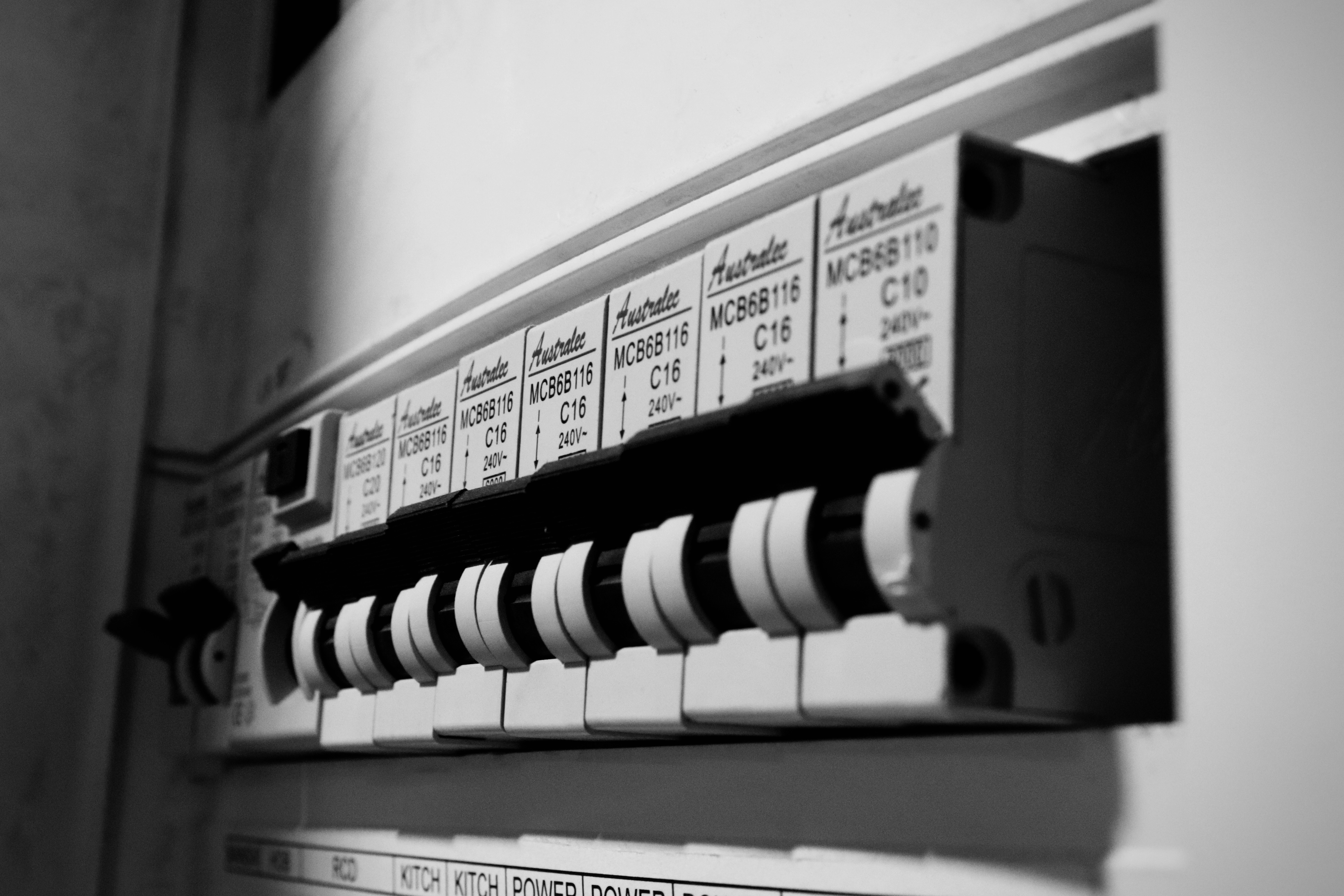
A non-responsive light switch is often just a symptom of a tripped breaker.
2. Quick Diagnosis
Let’s isolate the problem without touching any wiring yet:
- Check the obvious: Is the light bulb burned out or loose in its socket?
- Check the room: Do other lights or outlets in the same room work?
- Feel the switch: Does it feel loose, spongy, or fail to make a crisp “click” sound?
- Look for danger signs: Are there scorch marks, soot, or a burning plastic smell near the switch?
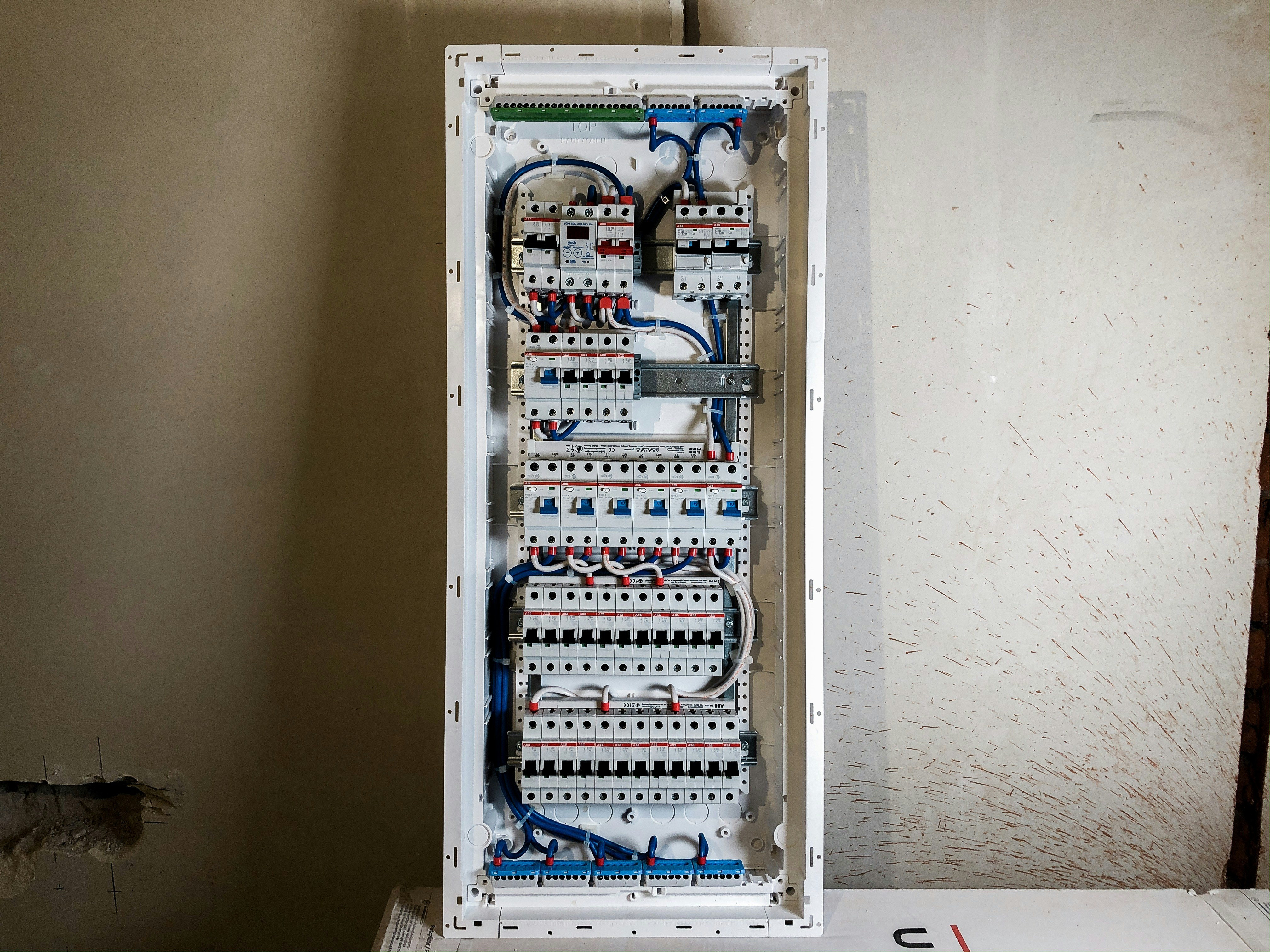
Always check your main electrical panel for tripped switches first.
3. Step-by-Step Fix
- Check the light bulb: Turn the wall switch off. Remove the bulb and inspect the filament (if incandescent) or test it in another working lamp. Install a known good bulb and turn the switch on.
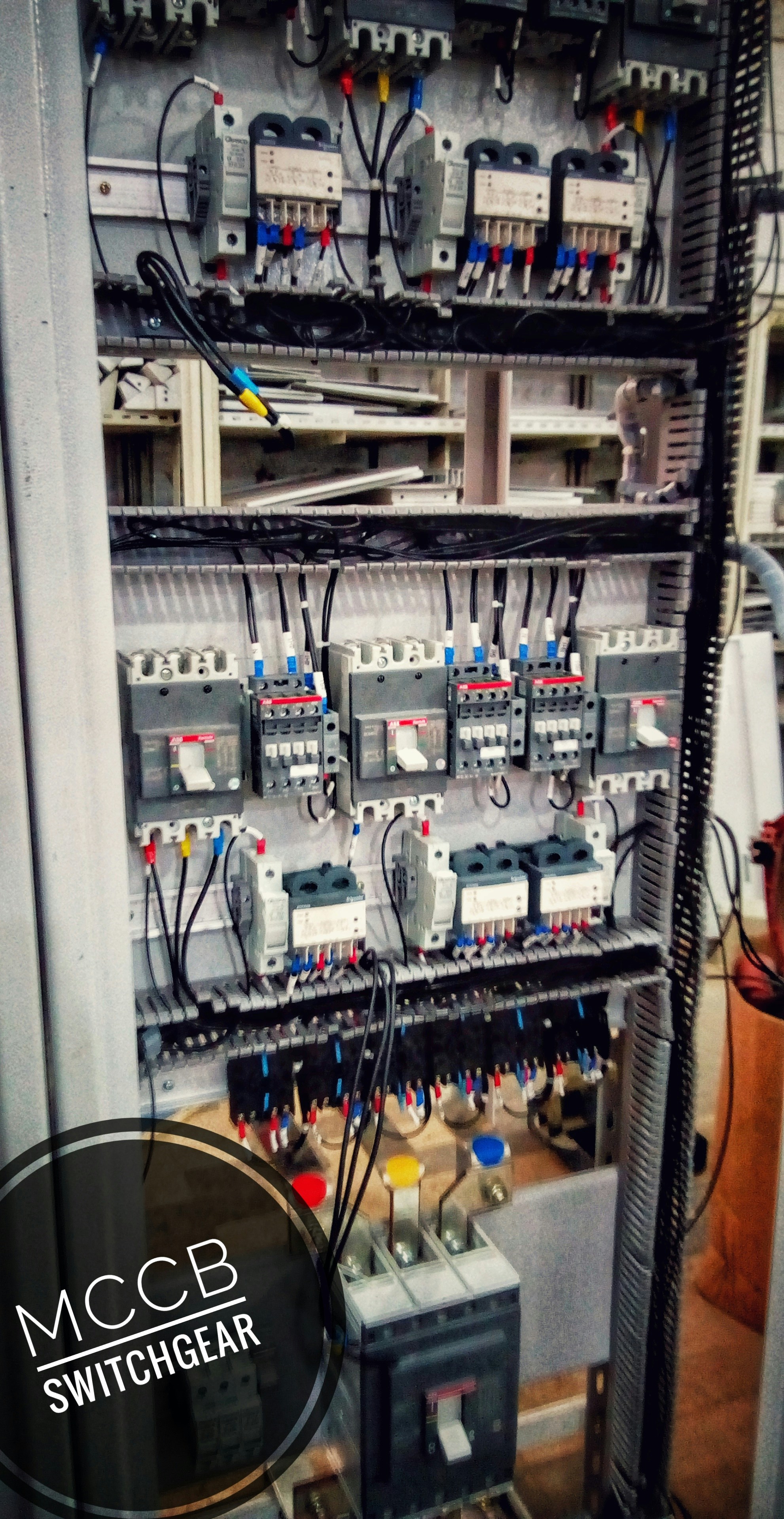
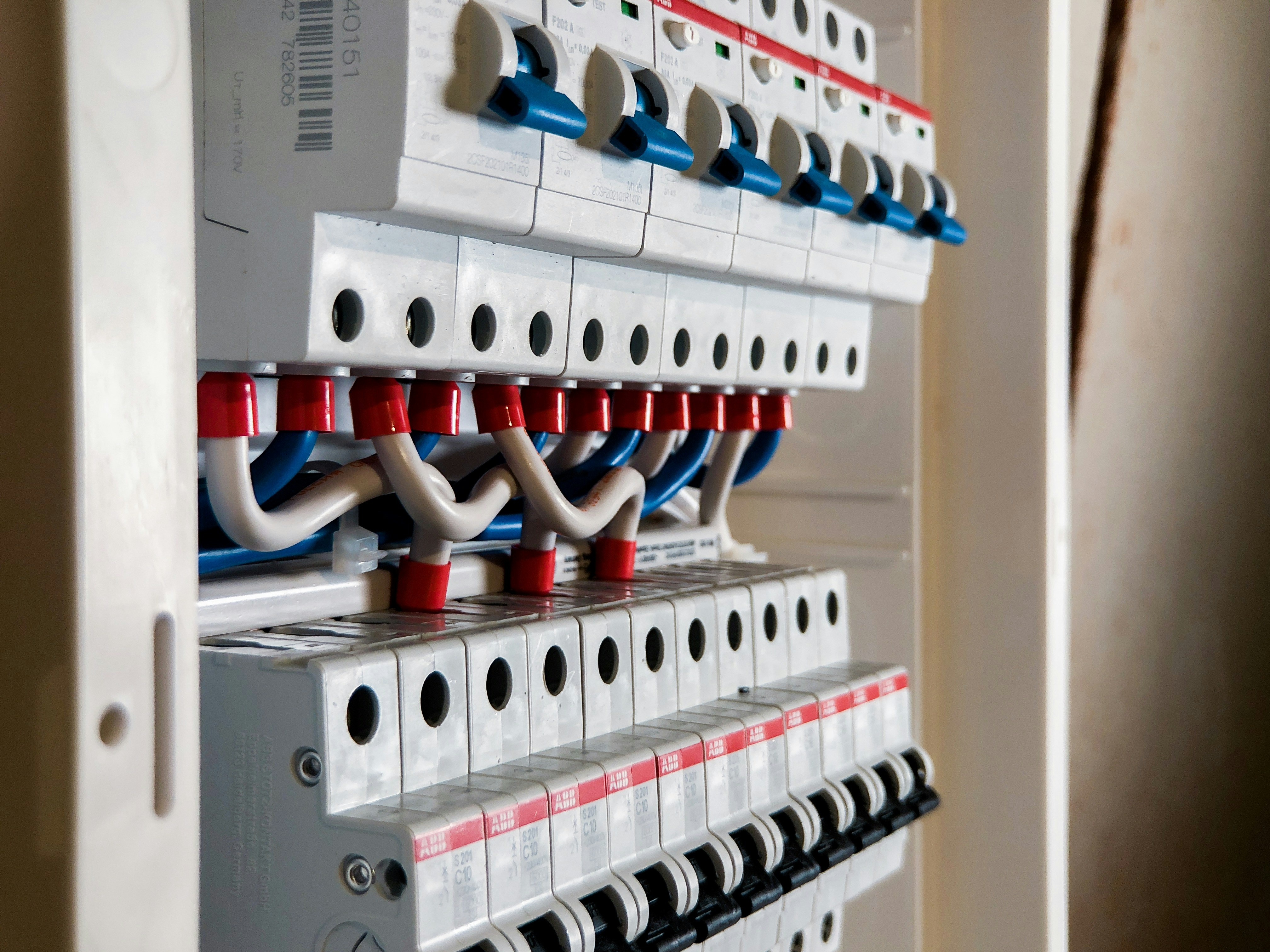
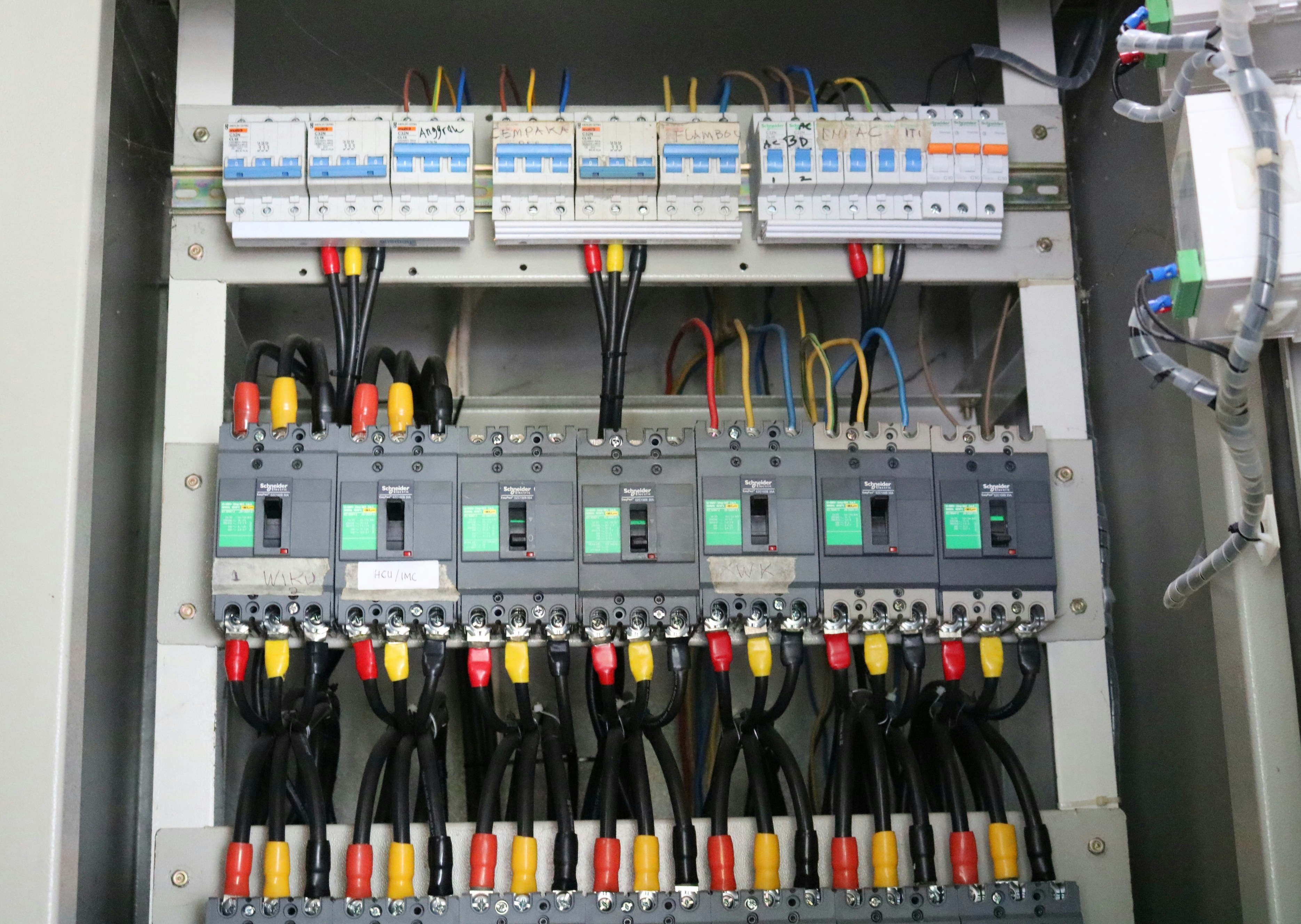
- Check the circuit breaker: Go to your electrical panel. Look for a breaker switch that is positioned in the middle or switched to “OFF”. Push it firmly to “OFF”, then push it back to “ON”. Go test the light.
- Check switch connections (Power OFF): Turn the circuit breaker OFF for that room. Verify power is off using a non-contact voltage tester. Unscrew the switch cover plate. Look at the wires connecting to the side screws. If a wire has slipped loose, re-wrap it around the screw and tighten it firmly.
- Test the switch: Ensure no exposed wires are touching the metal box. Turn the circuit breaker back on. If the light works, the loose wire was the issue.
- Check for tripped GFCI/RCD: Sometimes a bathroom or kitchen light is wired through a GFCI/RCD socket. Look around the room for an outlet with “Test/Reset” buttons. If the Reset button is popped out, press it in and test the light.
- Replace the switch: If the switch feels physically broken internally, turn the breaker OFF. Unscrew the switch, unhook the wires, and attach them to a brand new switch of the exact same type (single pole vs. 2-way).
- Call an electrician: If the bulb is good, the breaker is on, the connections are tight, and a new switch still doesn’t work, there is a break in the concealed wiring. Stop and call a licensed professional.
4. Troubleshooting
- Light flickers when switch is touched: The internal contacts of the switch are failing or the wire is loose. The switch must be tightened or replaced immediately to prevent arcing and fire.
- Switch feels hot to the touch: Turn the circuit off immediately! A hot switch indicates overloading or severe arcing. Call an electrician.
- Breaker trips immediately when switched on: There is a hard short circuit somewhere in the wiring or the light fixture itself. Do not force the breaker on.
5. Prevention Tips
- Do not overload lighting circuits with excessively high-wattage bulbs.
- Use modern LED bulbs which draw far less current, reducing heat and strain on switches.
- Keep switches dry; use proper moisture-sealed switches in bathrooms.
- Do not slam or strike switch plates aggressively.
- Test your home’s RCD/GFCI breakers every 6 months to ensure safety systems work.
6. When to Call a Professional
If you see scorch marks on the wall plate, smell burning plastic, or if the switch sparks visibly when used, turn off the power at the main panel and call a certified electrician immediately. DIY electrical work is dangerous and can void your home insurance if done incorrectly. An electrician call-out typically costs between £80 and £150+. Check our electrician cost guide for standard rates.
7. FAQ
Q1: Why is my light switch not working?
Common reasons include a dead bulb, a tripped circuit breaker, loose internal wiring, or a physically broken switch mechanism.
Q2: Is it safe to replace a light switch myself?
Yes, but ONLY if you verify the power is completely turned off at the main consumer unit first using a voltage tester.
Q3: How do I know if a circuit breaker is tripped?
The switch lever in the electrical panel will be sitting in the middle position, or a red indicator flag might be showing.
Q4: What if the light switch feels hot?
A hot switch is a serious fire hazard. Turn off the circuit breaker immediately and call an electrician.
Q5: How much does an electrician cost?
In the UK, expect to pay £80 to £150+ for a standard call-out to diagnose and fix a lighting circuit issue.
Q6: Can I prevent switch problems?
Using LED bulbs reduces electrical load, and treating the switches gently extends their mechanical lifespan.
Q7: What if I see sparks inside the switch?
Small blue sparks upon switching are occasionally normal, but loud popping sparks indicate arcing. The switch should be replaced.
Q8: Should I replace or repair my switch?
Never repair a switch mechanism. Standard switches cost less than £5; always replace a faulty switch with a brand new one.